
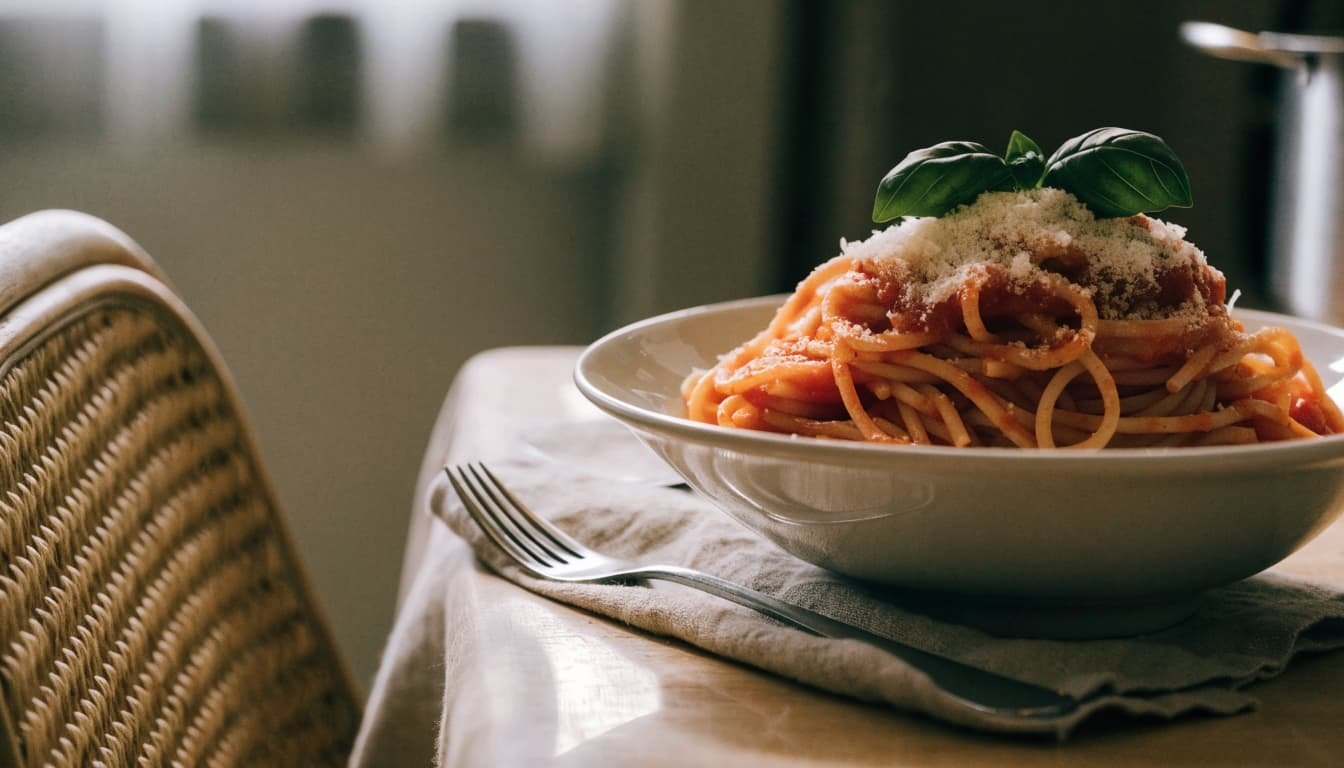
Homemade spaghetti noodles start with a firm egg dough that your KitchenAid mixer can mix and knead. A pasta roller and spaghetti cutter handle the shaping, giving you fresh strands without rolling every sheet by hand.
You need flour, eggs, salt, and a little olive oil, plus time for the dough to rest. The most useful guide is how the dough feels: firm but workable, with enough moisture to hold together. Start with the ingredients below, then make small adjustments as you mix.
Easy Homemade Spaghetti Noodles With a KitchenAid Mixer
This recipe makes fresh egg pasta with a tender texture and a slight bite after cooking. The mixer handles the heavier kneading, while you guide the dough through rolling and cutting.
Gather these ingredients before you begin:
- 400 g 00 flour, about 3⅓ cups, plus a little extra for dusting.
- 4 eggs.
- ½ teaspoon salt.
- 1 teaspoon olive oil.
Weigh the flour if you can. The cup measurement is approximate, and flour packed into a measuring cup can leave the dough too dry.
Egg size and flour absorption also affect the texture. The dough should feel firm and cohesive, rather than soft like bread dough or sticky like batter.
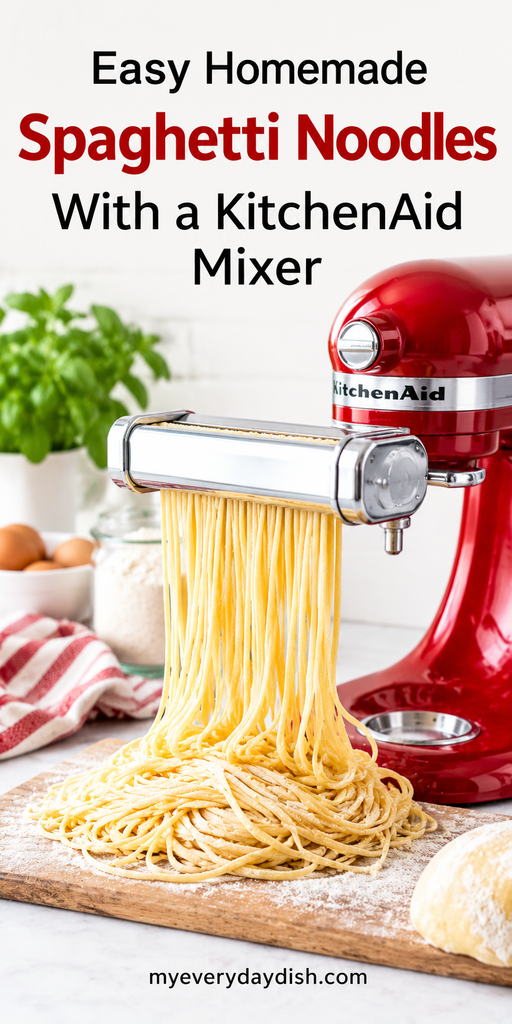
You’ll need a KitchenAid stand mixer, flat beater, dough hook, pasta roller, and spaghetti cutter. Have plastic wrap ready for resting the dough, along with a clean work surface for dividing and shaping it.
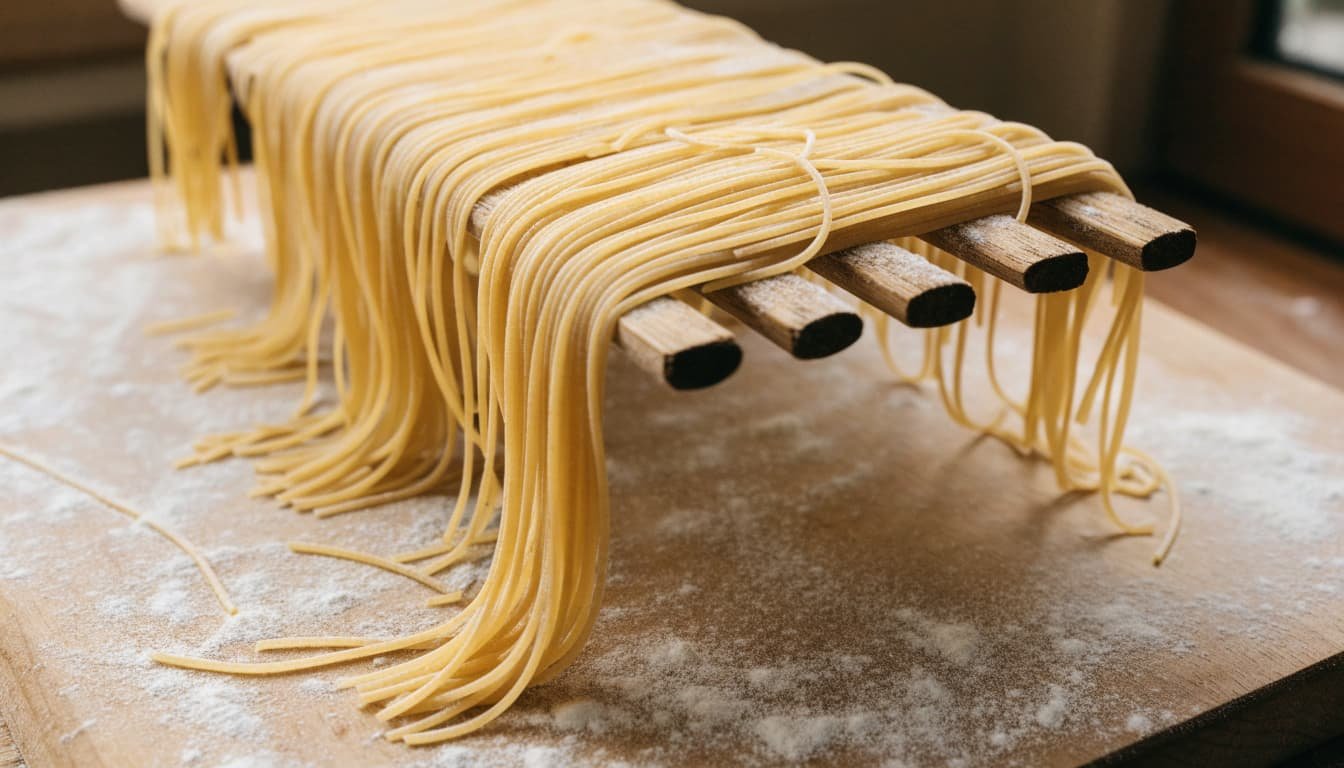
Set aside space for the finished strands before switching attachments. A pasta drying rack or lightly floured surface keeps them separate while you finish the remaining portions.
Read also: Easy Healthy Burger Bowl Recipe for Dinner With Rice
How to Make the Pasta Dough Step by Step
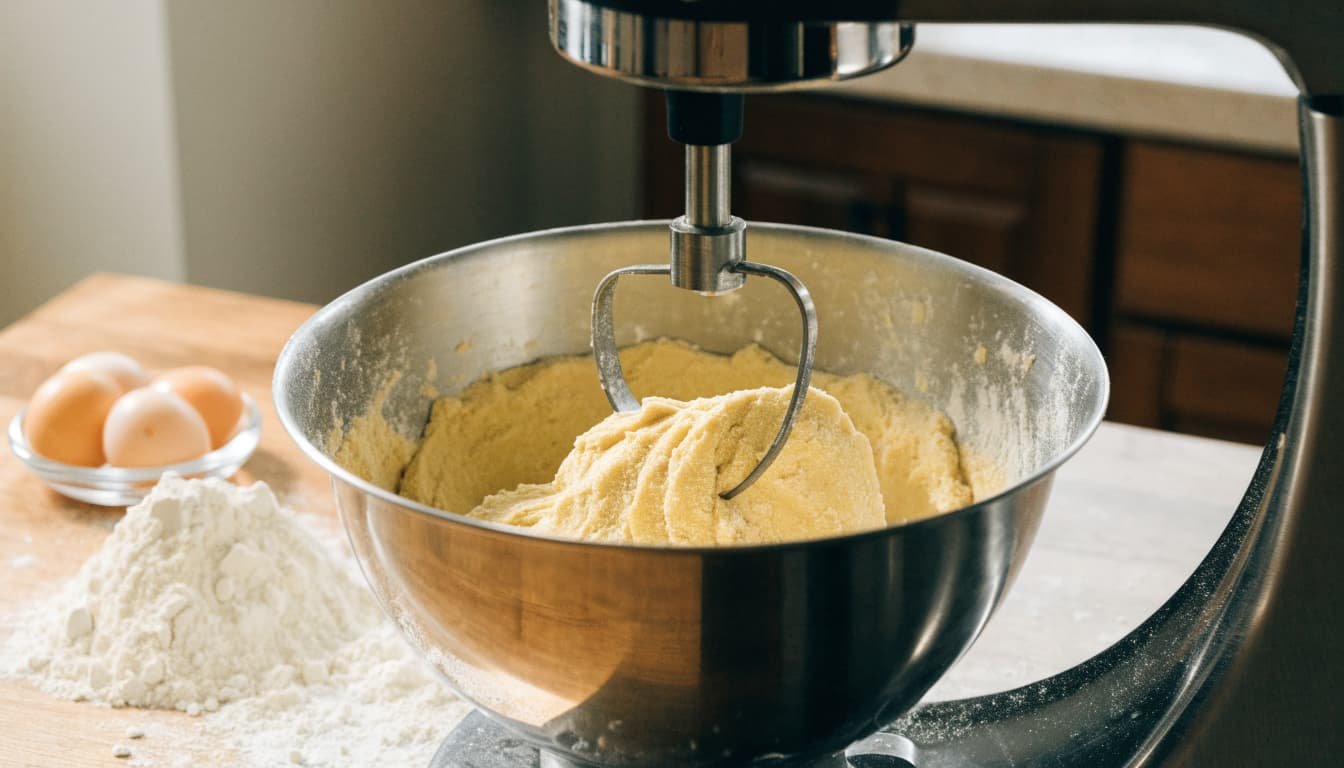
Start with the flat beater, then change to the dough hook once the mixture gathers. Stop the mixer before changing attachments.
Mix the Eggs and Flour With the Flat Beater
- Add the flour and salt to the mixer bowl.
- Add the eggs and olive oil.
- Mix at speed 2 until the dough begins to gather into a ball.
The mixture may look crumbly before it comes together. Stop the mixer and press a few crumbs between your fingers; they should hold together rather than fall apart.
If the mixture stays powdery, add water a teaspoon at a time. If it feels wet and smears against the bowl, add a small dusting of flour. Give each adjustment time to mix before adding more.
Knead, Rest, and Divide the Dough
- Fit the dough hook and knead at speed 2 for 4 minutes.
- Knead the dough by hand for 1 minute on a clean work surface.
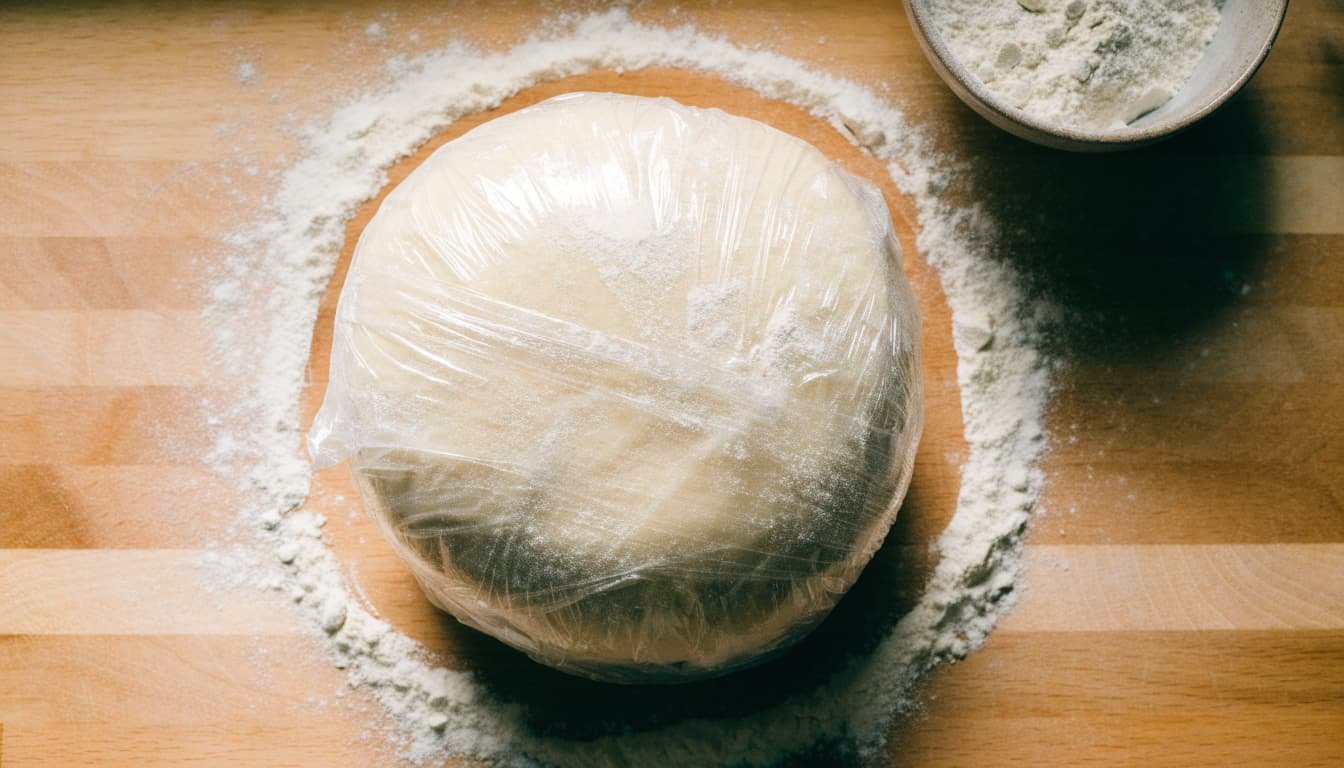
- Wrap the dough tightly in plastic wrap.
- Refrigerate it for 30 minutes.
- Divide the rested dough into four equal portions.
- Cover the portions you aren’t using.
After kneading, the dough should be cohesive and smooth, with no loose flour inside. It can feel quite firm, but you should still be able to press and fold it.
The rest gives the flour time to absorb moisture and makes the dough easier to roll. Keep the wrapping close against the surface so the outside doesn’t develop a dry skin.
Roll and Cut the Dough Into Spaghetti
Work with one portion at a time. KitchenAid’s pasta-making guide describes the same basic sequence: mix, knead, roll, and cut.
Start With the Widest Roller Setting and Work Thinner
Attach the pasta roller with the mixer switched off. Flatten one dough portion into a short rectangle narrow enough to enter the roller.
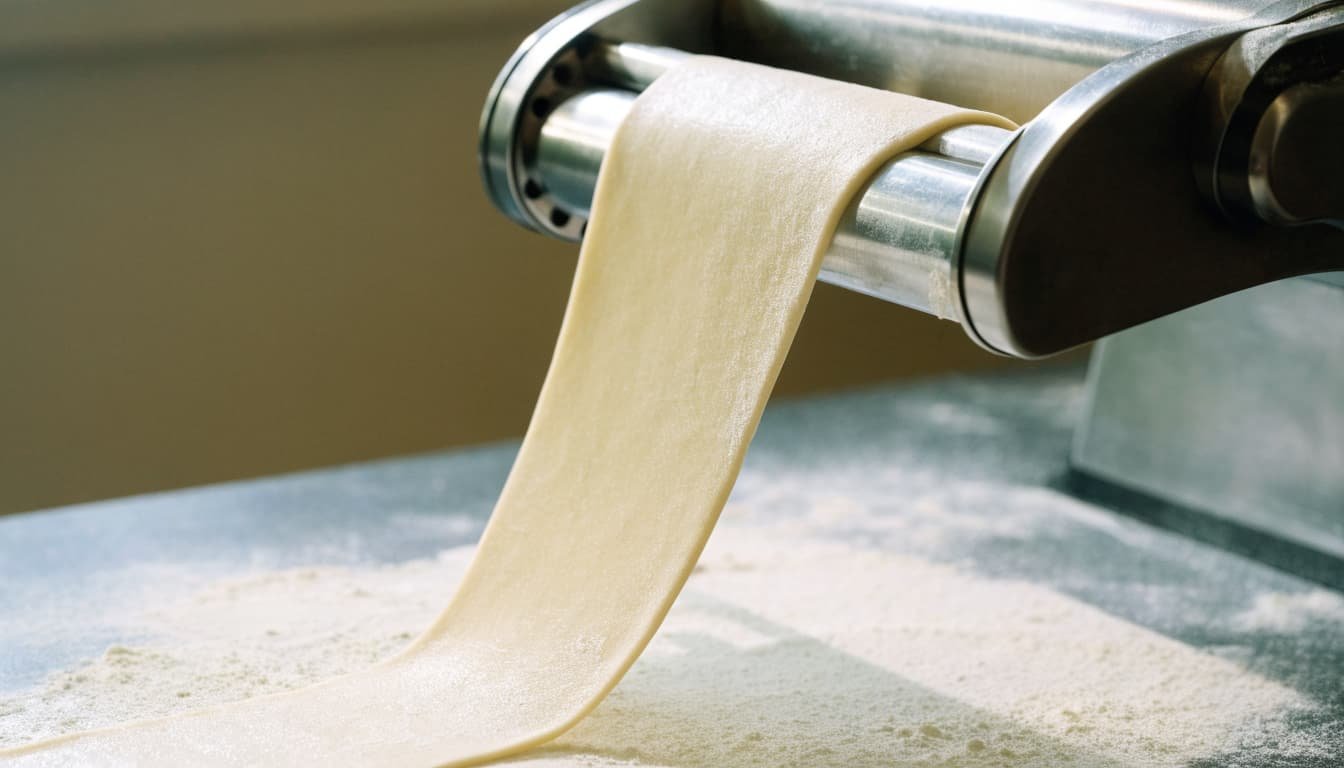
Begin at the widest thickness setting. Feed the dough through, fold it, and repeat until the sheet looks even and feels pliable. Don’t pull the sheet as it comes through.
Then move through progressively thinner settings without folding. Dust the surface lightly only when it starts to stick, since excess flour can leave the sheet dry.
Final thickness and operating speeds vary by attachment. Use the settings listed in your attachment’s manual rather than treating one number as universal.
Read also: Easy Crescent Roll Hot Dog Casserole Recipe for Busy Nights
Cut the Sheets and Keep the Strands Separate
Switch off the mixer and replace the roller with the spaghetti cutter. If the sheet is awkwardly long, cut it into shorter lengths before feeding it through.
Dust it lightly if needed, then feed it through at the speed specified for your cutter. Support the strands as they emerge without tugging them.
Separate any strands that cling together with a gentle shake. Arrange the homemade spaghetti noodles loosely on a rack or floured surface, rather than pressing them into tight bundles.
Cook Fresh Spaghetti and Serve It Simply
Have your sauce ready before the noodles enter the water. Fresh pasta cooks much faster than dried pasta, leaving little time to finish another part of dinner.
Bring a large pot of water to a boil and salt it well. Add the spaghetti, then stir gently so the strands don’t settle together.
Begin checking at about 3 minutes. Thin fresh spaghetti often takes roughly 3 to 5 minutes, but thickness and surface drying affect the timing. Taste a strand and cook until tender with a slight bite.
Before draining, scoop out a little pasta water. Toss the noodles with sauce, then add the reserved water a spoonful at a time until everything coats evenly.
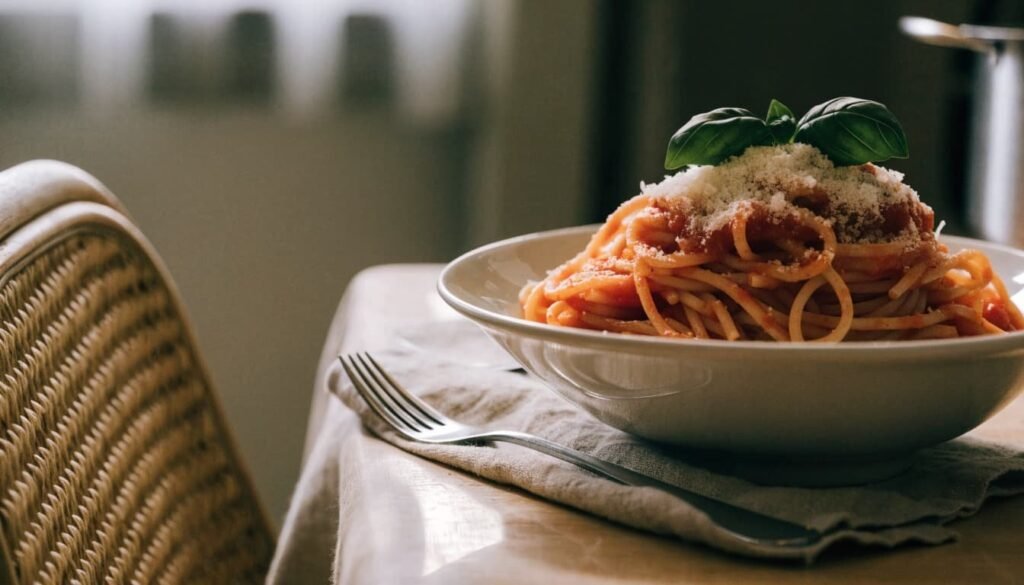
Tomato sauce, butter and Parmesan, or olive oil with herbs all suit fresh egg pasta. If you want a richer dinner, use the creamy sauce from our homemade chicken Alfredo recipe, keeping the fresh noodles’ shorter cooking time.
Fix Sticky Dough and Plan Ahead With Confidence
Small changes usually help more than adding a handful of flour. Look at whether the problem is surface moisture, uneven rolling, or dough left uncovered.
What to Do When the Pasta Sticks or Tears
If dough sticks to the roller or cutter, dust both sides lightly with flour. Brush away loose excess before feeding it through again.
For a rough or uneven sheet, return to the widest setting. Fold and roll it again until it becomes smooth before continuing through thinner settings.
Work with a smaller piece if the sheet becomes difficult to support. Keep waiting portions wrapped, since dry edges are harder to roll evenly and can crack during shaping.
How to Handle Extra Noodles Safely
The 30-minute refrigerator rest applies to dough before rolling. It isn’t a storage instruction for finished noodles.
A rack helps separate strands while you’re working, but hanging pasta doesn’t establish that it’s safe for pantry storage. For freezing or longer storage, follow a tested food-safety method written for fresh egg pasta.
Plan to cook the batch after shaping if you haven’t chosen a preservation method. Prepare the sauce ahead instead, so you can give the rolling and cutting your attention.
Frequently Asked Questions
Can I Use All-Purpose Flour Instead of 00 Flour?
Yes, all-purpose flour can work for fresh egg pasta; KitchenAid’s fresh pasta dough recipe uses it. Different flours absorb moisture differently, so the dough may need a small adjustment. Use the same firm, cohesive texture as your guide rather than adding liquid automatically.
Do I Need a KitchenAid Pasta Attachment to Make These Noodles?
No, the mixer can mix and knead the dough while you handle shaping separately. Roll small portions thinly with a rolling pin, then cut narrow strands with a knife. This takes more work, and the noodles will be less uniform than strands made with a spaghetti cutter.
How Thin Should I Roll the Pasta for Spaghetti?
Aim for a thin, even sheet that feeds cleanly through the cutter without sticking or tearing. Numbered thickness settings aren’t interchangeable across attachments, so follow your model’s spaghetti setting. Keep the sheets consistent within the batch so the strands cook at a similar rate.
How Can I Tell When Fresh Spaghetti Is Done?
Start tasting a strand at about 3 minutes rather than judging by appearance alone. It should feel tender with a slight bite, without a firm, floury center. If you plan to toss it briefly in hot sauce, leave a little firmness for that final cooking.
Bring Fresh Spaghetti to the Table
Homemade spaghetti noodles are manageable when you give each stage a clear stopping point. Knead until cohesive, rest before rolling, and make each sheet smooth before thinning it.
Keep flour dusting light and check the pasta early in the pot. Even sheets and careful cooking help the noodles stay tender without becoming soft.
Pair your first batch with a favorite sauce, then serve while the strands are warm and loosely coated.
Save the pin for later

I’m the creator of My Everyday Dish, a food blog focused on easy homemade recipes, comforting family meals, simple baking, and seasonal food ideas. I love finding practical ways to make everyday cooking less stressful and more enjoyable. Here, I share recipes with simple ingredients, clear instructions, and plenty of flavor, helping you make delicious meals and treats you’ll feel confident serving at home.
Leave a Reply