When the weather cools down, cozy fall dinners should be simple, filling, and full of seasonal flavor. The good news is that ingredients like squash, sweet potatoes, apples, mushrooms, cauliflower, and hearty greens make it easy to build satisfying meals without gluten.
This roundup includes 20 weeknight-friendly ideas, including comforting soups, sheet-pan meals, stuffed vegetables, and hearty skillet dishes.
For each recipe, you’ll find the main ingredients, a quick look at the cooking method, easy serving suggestions, and a reminder to check packaged ingredients for gluten, especially in broths, sauces, gravies, seasoning blends, and soy sauce. Start with these warm and practical fall dinner ideas.
20 Easy Fall Dinner Ideas That Are Gluten-Free
These recipes are grouped by the kind of comfort food you may want, from cozy soups and one-pot meals to roasted dinners and meatless options. Before cooking, check packaged broths, sauces, spice blends, pasta, gnocchi, and tortillas for a clear gluten-free label. The Celiac Disease Foundation’s label guidance is a helpful reference when an ingredient seems uncertain.
1. Creamy Butternut Squash Soup
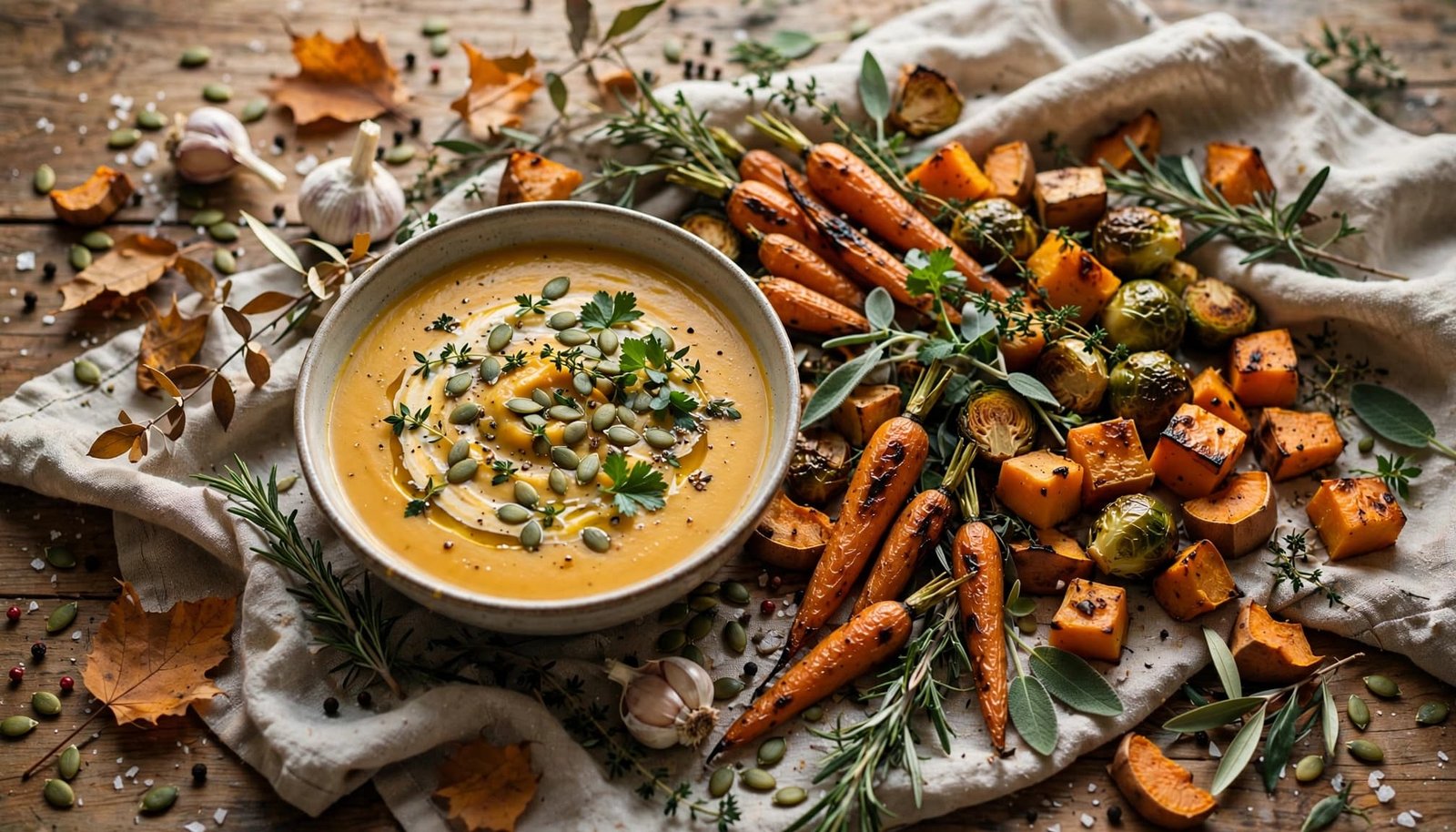
Roast or simmer butternut squash with onion, garlic, and gluten-free broth until tender. Blend everything until silky, then add a splash of cream or coconut milk for extra richness. This soup tastes like fall in a bowl and comes together with little effort. Top each serving with pumpkin seeds, chopped herbs, or crispy bacon. Use certified gluten-free broth, since prepared broths may contain wheat-based thickeners or flavorings.
2. Sweet Potato Gnocchi with Sage Butter
Tender sweet potato gnocchi pairs beautifully with browned butter, crisp sage, and Parmesan. For a dairy-free version, toss the gnocchi with olive oil, garlic, and fresh herbs instead. Packaged gnocchi often contains wheat, even when potatoes are the main ingredient, so choose a product labeled gluten-free. For a faster dinner, roast sweet potato cubes and serve them with the same sage butter and Parmesan topping.
3. Chicken and Gluten-Free Gnocchi Soup
This cozy soup combines tender chicken, carrots, celery, spinach, and gluten-free gnocchi in a savory broth. Use rotisserie-style chicken to reduce prep time, then add the meat near the end so it stays tender. Simmer the vegetables first, add the gnocchi, and stir in spinach just before serving. Check both the chicken package and broth label carefully, since prepared products can contain unexpected gluten ingredients.
4. Winter Squash and Vegetable Soup
Acorn squash or butternut squash gives this flexible soup a sweet, hearty base. Add carrots, tomatoes, beans, and warming herbs, then simmer everything in gluten-free vegetable broth until the vegetables soften. It is a useful clean-out-the-fridge meal because you can add leftover greens, zucchini, or corn. Keep it vegetarian with vegetable broth, and serve each bowl with gluten-free crackers or toasted seeds.
5. One-Pot Gluten-Free Mac and Cheese
Gluten-free pasta, sharp cheddar, milk, and a simple cheese sauce create an easy fall dinner with familiar comfort. Cook the pasta in one pot, then stir in the cheese sauce while everything is hot. Add broccoli, peas, roasted squash, or shredded chicken to make the meal more filling. Check the pasta and any seasoning blends carefully, since packaged ingredients are not always gluten-free by default.
6. Chicken Enchiladas with Red Chile Sauce
Fill certified gluten-free corn tortillas with shredded chicken, beans, and cheese, then cover them with red enchilada sauce and bake until bubbling. Rotisserie chicken makes the filling quick, while canned beans reduce cooking time. Corn tortillas are not automatically safe because shared processing can introduce gluten, so choose tortillas with a gluten-free label. Check the enchilada sauce, too, especially if it contains thickeners or spice blends.
7. Slow Cooker Beef Ribs with Pomegranate Sauce
Slow cooking makes beef ribs tender enough to pull apart with a fork. Season them with garlic and gluten-free spices, then finish the meat with a sweet-tart pomegranate sauce. The slow cooker handles most of the work, which makes this a useful dinner for busy fall days. Serve the ribs with mashed potatoes, roasted vegetables, or creamy polenta. Check Worcestershire sauce, broth, and spice blends before adding them.
8. Herb-Crusted Pork Tenderloin with Creamy Polenta
Coat pork tenderloin with herbs and either gluten-free breadcrumbs or crushed nuts, then roast it until juicy. While the pork cooks, simmer polenta with milk, broth, or Parmesan for a creamy side. Roasted apples, pears, or Brussels sprouts add a seasonal touch and balance the savory meat. Choose a certified gluten-free broth and breadcrumbs, since both products can contain wheat-based ingredients.
9. Butternut Squash and Pancetta Risotto
Arborio rice becomes creamy as you add warm broth a little at a time. Stir in roasted butternut squash, crisp pancetta, Parmesan, and sage for a rich dinner with classic fall flavors. Plain rice and most basic risotto ingredients are naturally gluten-free, but broth and pre-seasoned products still need label checks. Roast the squash ahead of time to shorten the final cooking process on a busy evening.
10. Moroccan Carrot and White Bean Soup
Carrots, white beans, tomatoes, cumin, coriander, and lemon create a budget-friendly soup with bright, warming flavor. The beans add protein and make the soup filling without meat, while a quick simmer softens the vegetables. Blend part of the soup if you prefer a thicker texture, or leave it chunky for a rustic meal. Finish each bowl with yogurt, fresh herbs, or a drizzle of olive oil.
11. Whole Roasted Cauliflower with Pistachio Cream
A whole cauliflower becomes a hearty vegetarian centerpiece after roasting until browned and tender. Blend pistachios with lemon, garlic, olive oil, and a little water to make a creamy, nutty sauce. Serve the cauliflower with quinoa, rice, or a simple salad for a complete dinner. Use gluten-free spices, and check packaged sauces or broths if they appear in the pistachio cream or accompanying sides.
12. Instant Pot Beef Ragu
Pressure cooking turns chuck roast or ground beef, tomatoes, onion, garlic, and Italian herbs into a rich ragu in much less time than traditional braising. Shred the beef directly in the pot, or use ground beef for the quickest option. Serve the sauce over polenta, mashed potatoes, spaghetti squash, or certified gluten-free pasta. Check canned tomatoes and seasoning blends if they include added flavorings.
13. Roasted Beet and Butternut Squash Dinner Bowl
Build a colorful bowl with roasted beets, butternut squash, greens, quinoa or rice, and chickpeas. A maple-Dijon dressing adds sweet, tangy flavor and brings the ingredients together. Roast the vegetables and cook the grains ahead, then assemble individual bowls at dinner. This approach keeps weeknights simple and reduces cleanup. Verify the mustard and dressing ingredients, since prepared condiments may contain gluten-based additives.
14. Thai Chicken Lettuce Wraps with Peanut Sauce
Seasoned ground chicken or shredded chicken makes a quick filling for crisp lettuce leaves. Add shredded carrots, cabbage, and fresh herbs for crunch, then drizzle everything with creamy peanut sauce. Use gluten-free tamari instead of regular soy sauce, which commonly contains wheat. Check hoisin sauce and other Asian condiments carefully, because their ingredients vary by brand. Serve the wraps with rice if you want a more substantial meal.
15. Easy Gluten-Free Meatballs
Mix ground beef, turkey, or pork with egg, herbs, Parmesan, and gluten-free breadcrumbs. Cook the meatballs in marinara until tender, then serve them with polenta, mashed potatoes, or certified gluten-free pasta. Cooked rice also works as a breadcrumb substitute when you need a pantry-friendly option. For an easy freezer meal, shape the uncooked meatballs, freeze them on a tray, and transfer them to a sealed container.
16. Ground Turkey and Lentil Soup
Ground turkey, lentils, carrots, celery, tomatoes, and warming spices make this soup filling without a high grocery bill. Brown the turkey first, then add the remaining ingredients and simmer until the lentils are tender. The soup freezes well, so portion leftovers into containers for quick lunches or future dinners. Use certified gluten-free broth and check every spice blend for wheat-based fillers or flavoring powders.
17. Gluten-Free Mushroom Risotto
Sautéed mushrooms, garlic, Parmesan, and thyme add earthy flavor to creamy risotto. The dish works as a meatless main course, although it also pairs well with roasted chicken. Use pre-sliced mushrooms to shorten prep, then add warm gluten-free broth gradually while stirring the rice. This method produces the best texture without complicated steps. Finish with extra Parmesan and thyme just before serving.
18. Unstuffed Pepper Skillet
This one-pan meal has the comforting flavor of stuffed peppers without the extra assembly. Brown ground beef or turkey with onion, then add bell peppers, tomatoes, rice, and seasonings. Cover the skillet until the rice is tender, then top everything with cheese and let it melt. Use cooked rice when you need dinner faster. The recipe is naturally simple, but check canned tomatoes and seasoning mixes for added gluten.
19. Air Fryer Whole Chicken
Season a whole chicken with a gluten-free spice blend, then cook it in the air fryer until the skin turns crisp and the meat stays juicy. Cooking time depends on the chicken’s size and your appliance instructions, so use a thermometer to confirm doneness. Serve it with roasted root vegetables or a fall salad. Check the chicken package for added ingredients, marinades, or broth solutions that may contain gluten.
20. Comforting Bone Broth Chicken Soup
Make this classic soup with chicken, bone broth, carrots, celery, onion, and fresh herbs. Add gluten-free noodles or rice for a more filling bowl, then simmer until everything is tender. Leftover roasted chicken makes the recipe much faster because you only need to warm the meat near the end. Portion the soup into individual containers for easy lunches throughout the week, and verify that the bone broth carries a gluten-free label.
Read also: 10 Delicious Chicken Breast Sheet Pan Dinner Recipes
How to Make Fall Dinners Naturally Gluten Free
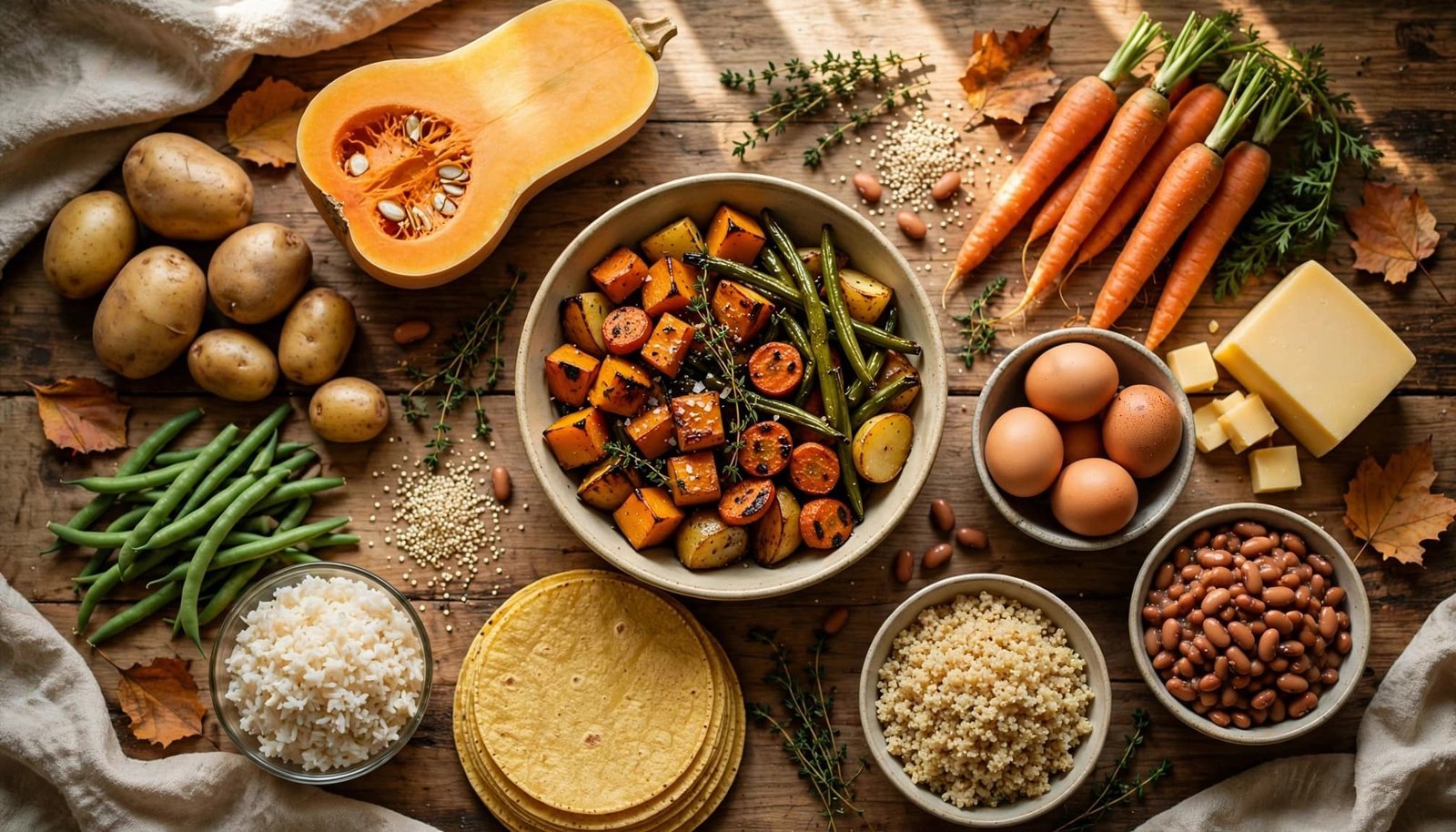
Many fall staples are naturally gluten free, so you can build satisfying dinners without relying on specialty products. Vegetables, meat, eggs, beans, rice, potatoes, quinoa, and plain dairy all work well in soups, skillets, bowls, and sheet-pan meals.
Use Simple Swaps for Wheat-Based Ingredients
When a recipe calls for wheat, choose an ingredient that fits the same role:
- Use corn tortillas for enchiladas, tacos, and baked tortilla casseroles.
- Replace wheat pasta with certified gluten-free pasta made from rice, corn, quinoa, or legumes.
- Serve saucy dishes over rice, polenta, quinoa, mashed potatoes, or roasted spaghetti squash.
- Choose certified gluten-free oats when adding oats to meatballs, casseroles, or savory bakes.
- Use gluten-free breadcrumbs, crushed gluten-free crackers, or cooked rice to bind meatballs and meatloaf.
These swaps keep the familiar texture of your favorite meals while making fall dinners easier to adapt.
Read Labels on Packaged Ingredients
Fresh produce and plain meats need fewer checks, but packaged foods can hide gluten in sauces, thickeners, or seasoning mixtures. Check broth, soy sauce, spice blends, gravy, sausage, deli meat, shredded cheese, and packaged gnocchi before adding them to a recipe.
Look for a clear “gluten-free” label rather than assuming an ingredient is safe. The FDA’s gluten-free labeling guidance sets the standard at less than 20 parts per million of gluten for foods using that claim. This matters most for people with celiac disease or strong gluten sensitivity, who should also consider cross-contact from shared cutting boards, colanders, toasters, and cooking surfaces.
When a label seems unclear, choose a certified or clearly labeled alternative. A few careful checks can keep a cozy dinner both simple and safe.
Read also: 15 Healthy and Easy Lazy Dinner Ideas and Recipes
Simple Planning and Kitchen Safety Tips for Gluten-Free Meals
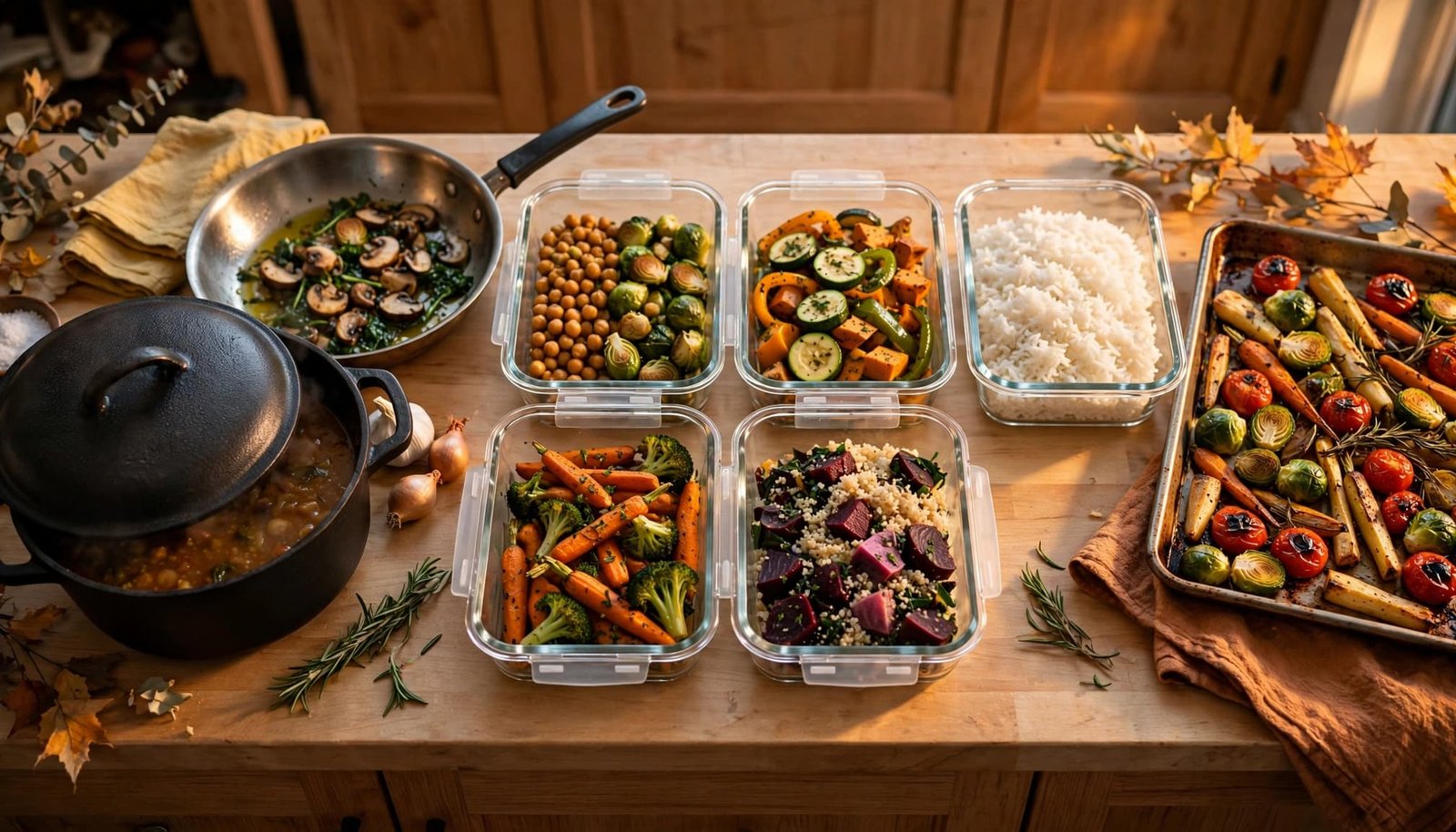
A simple weekly plan makes gluten-free fall dinners easier to shop for and safer to prepare. Choose one soup, one skillet meal, one roasted dinner, and one meatless option. Cook enough for leftovers, then pack extra portions for lunches instead of starting from scratch each day.
Plan Four Dinners and Reuse the Leftovers
Start with meals that share ingredients, such as carrots, greens, rice, broth, and roasted vegetables. Cook a batch of rice for soup, bowls, and skillet dinners, then prepare one protein that can appear in two meals.
Store cooked rice, meat, and soup in shallow, airtight containers and refrigerate them promptly. Keep the refrigerator at 40°F or below, and use these leftovers within three to four days. Freeze anything you won’t eat by then, especially extra soup, cooked meat, and prepared rice.
Prevent Gluten Cross-Contact
These steps matter most when someone in your household has celiac disease, because even small amounts of gluten can cause harm. Clean counters, cutting boards, cookware, and utensils before preparing gluten-free food. Wash your hands after handling bread, flour, or other gluten-containing ingredients.
Store gluten-free foods above wheat products so crumbs cannot fall into them. Use a separate toaster, or protect a shared toaster with a dedicated gluten-free toaster bag. Also avoid shared pasta water, colanders, wooden utensils, and scratched cookware that are difficult to clean fully. The Celiac Disease Foundation’s cross-contact guidance offers practical advice for shared kitchens.
Keep separate jars of butter, peanut butter, jam, and other condiments when people may double-dip with utensils that touched wheat. Research on preparing gluten-free foods alongside gluten-containing foods also highlights why dedicated equipment can help reduce risk.
Frequently Asked Questions
These answers cover the small ingredient, substitution, and storage questions that often come up when preparing gluten-free fall dinners. A few label checks and simple swaps can keep busy-night cooking safe and flexible.
Are all fall vegetables naturally gluten free?
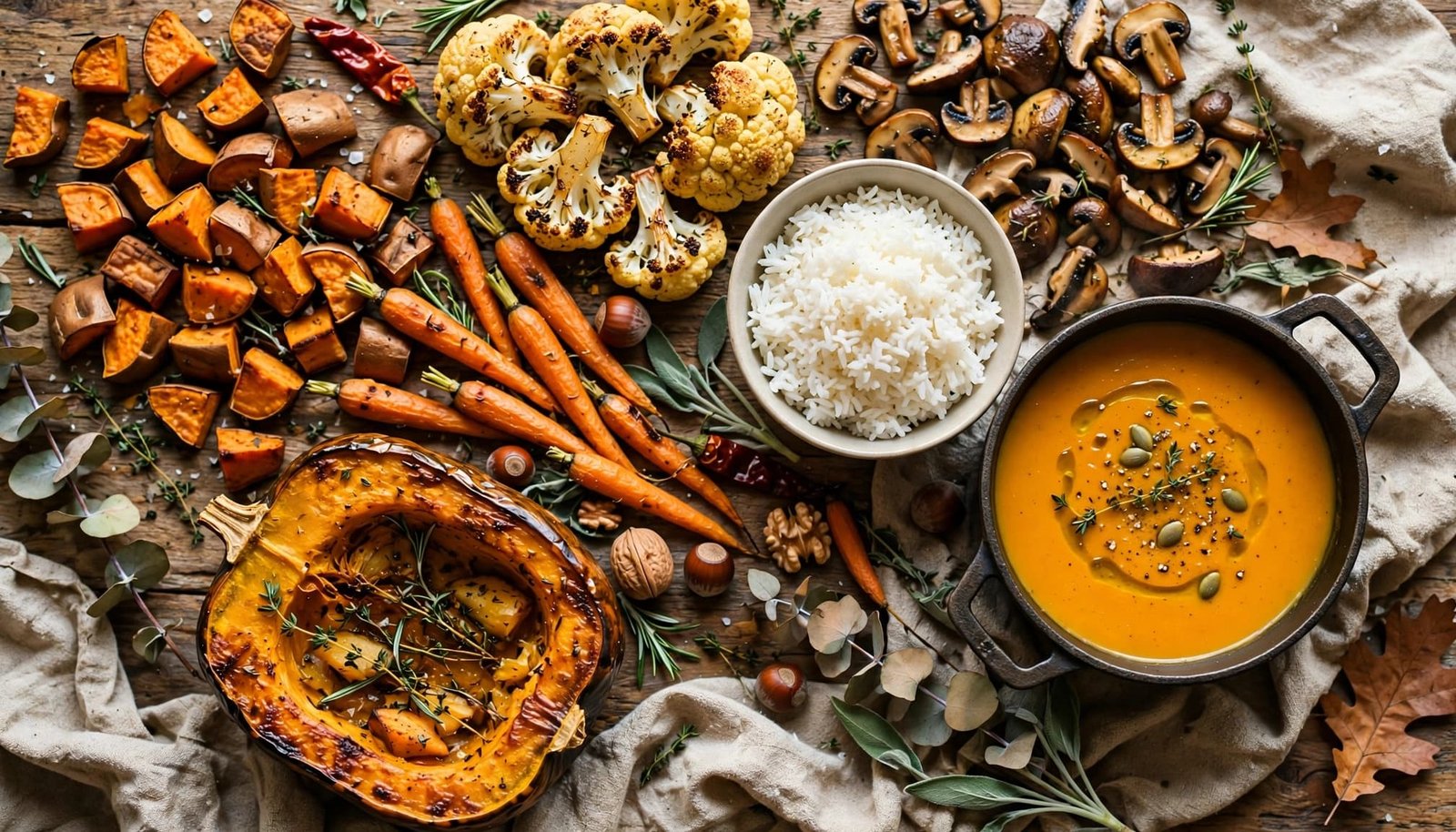
Plain fresh vegetables, including squash, sweet potatoes, carrots, beets, cauliflower, and mushrooms, don’t contain gluten. However, sauces, seasoning packets, prepared side dishes, and coated frozen vegetables may include wheat or other gluten-containing ingredients, so check the label before cooking.
What can I use instead of regular pasta in fall dinners?
Choose certified gluten-free pasta made from corn, rice, chickpeas, or lentils. Spaghetti squash, zucchini noodles, polenta, rice, quinoa, and mashed potatoes also work well with hearty sauces and roasted vegetables. If you cook gluten-free pasta, use clean water and drain it in a clean colander that hasn’t contacted regular pasta.
How can I add more protein to a gluten-free vegetarian dinner?
Beans, lentils, chickpeas, eggs, tofu, quinoa, nuts, seeds, and cheese can make a meatless dinner more filling. Stir beans or lentils into soup, add chickpeas to roasted cauliflower, fold tofu into a grain bowl, or top risotto with Parmesan and a soft egg. You can also add quinoa to stuffed pepper skillets for extra texture and protein.
Can I prepare these gluten-free dinners ahead of time?
Soups, chili-style skillets, meatballs, ragu, roasted vegetables, and cooked grains all make good make-ahead choices. Cool leftovers promptly, store them in shallow airtight containers, and refrigerate them for three to four days. Freeze portions you won’t eat within that time, then reheat leftovers until they reach 165°F throughout.
How do I know if a packaged ingredient is gluten free?
Look for a clear “gluten-free” label, then read the full ingredient list. Pay close attention to broth, sauces, spice blends, pasta, gnocchi, breadcrumbs, sausage, and prepared meats because these products may contain wheat-based thickeners or flavorings. The FDA’s gluten-free labeling guidance explains that foods using the claim must contain less than 20 parts per million of gluten.
People with celiac disease may prefer certified gluten-free products for an additional level of testing and oversight. When the label is unclear, contact the manufacturer or choose a different product.
What is the easiest gluten-free fall dinner for a busy night?
An unstuffed pepper skillet is one of the simplest choices because it uses familiar ingredients and cooks in one pan. Chicken soup made with leftover chicken is another quick option, while roasted chicken with vegetables needs little hands-on preparation. Each meal also creates useful leftovers for lunch or another busy evening.
Conclusion
These 20 gluten-free fall dinner ideas show that cozy cooking can stay simple, affordable, and flexible without relying on complicated specialty foods. Start with one easy soup, skillet, or roasted dinner, then adjust it with the seasonal vegetables and proteins you already have.
Keep certified gluten-free staples on hand for busy nights, and try a new recipe when you want something warm and satisfying. With a few smart swaps and careful label checks, fall dinners can be both comforting and easy to prepare.
Save the pin for later


I’m the creator of My Everyday Dish, a food blog focused on easy homemade recipes, comforting family meals, simple baking, and seasonal food ideas. I love finding practical ways to make everyday cooking less stressful and more enjoyable. Here, I share recipes with simple ingredients, clear instructions, and plenty of flavor, helping you make delicious meals and treats you’ll feel confident serving at home.
Leave a Reply