
A jar of spiced apple pie filling can turn an ordinary weeknight into pie, crisp, turnovers, or warm oatmeal in minutes. This apple pie filling recipe with cornstarch makes a glossy, cinnamon-spiced filling for desserts you plan to enjoy soon.
Cornstarch works well for cooking, refrigerating, and freezing. It is not safe for home canning. If you want shelf-stable jars, use Clear Jel and a complete tested canning recipe instead.
Use the method below for tender apple slices, a spoonable sauce, and storage that fits your plans.
Key Takeaways
- Cook this cornstarch-thickened filling for pie, crisp, cobbler, or freezer storage.
- Do not process it in a boiling-water canner.
- Choose firm apples, slice them evenly, and simmer only until tender.
- Cool the filling in shallow containers before refrigerating or freezing.
- For pantry-stable apple pie filling, follow a tested Clear Jel recipe exactly.
Easy Canned Apple Pie Filling Recipe With Cornstarch: What You Need to Know
The word “canned” can cause confusion with this recipe. A cornstarch-thickened filling can go into containers for the refrigerator or freezer, but it should not go into jars for shelf storage.
Cornstarch, flour, and tapioca can thicken a filling too heavily during canning. They may clump, break down, or slow the movement of heat through the center of a jar. That affects both quality and safe processing.
A sealed jar is not automatically a safely canned jar. Shelf-stable filling requires a tested formula and exact processing directions.
Use this apple pie filling recipe with cornstarch when you will bake with it soon, chill it, or freeze it. For shelf-stable jars, follow the National Center for Home Food Preservation apple pie filling recipe. Its tested method uses Clear Jel, a modified starch designed for canned fruit fillings.
Don’t swap Clear Jel into the recipe below by guesswork. Fruit preparation, liquid, jar size, headspace, and processing time all work together in a tested canning recipe.
Gather the Apples, Spices, and Simple Thickener
This batch makes about 5 cups of filling, enough for one 9-inch pie with a modest amount left for topping oatmeal or pancakes.
- 7 cups peeled, cored, thinly sliced apples, about 6 to 8 medium apples
- 3/4 cup granulated sugar
- 1/2 cup cold water or unsweetened apple juice
- 3 tablespoons cornstarch
- 1 tablespoon lemon juice
- 1 1/2 teaspoons ground cinnamon
- 1/4 teaspoon ground nutmeg
- 1/4 teaspoon salt
- 1 teaspoon vanilla extract or 1 tablespoon butter, optional
Choose firm apples that hold their shape during cooking. Granny Smith, Honeycrisp, Braeburn, Pink Lady, and Jonagold are dependable options. A blend gives the filling a more layered flavor and texture.
Measure the apples after peeling, coring, and slicing. Remove bruised or soft spots first, then cut slices about 1/4 inch thick. Even slices soften at the same pace and prevent a mix of crunchy pieces and mushy ones.
Lemon juice brightens the flavor and helps slow browning while you prep. Meanwhile, cornstarch turns the cooking liquid into a clear, glossy sauce that clings to every slice. Brown sugar can replace up to half the granulated sugar for a deeper caramel note.
How to Make the Apple Pie Filling Step by Step
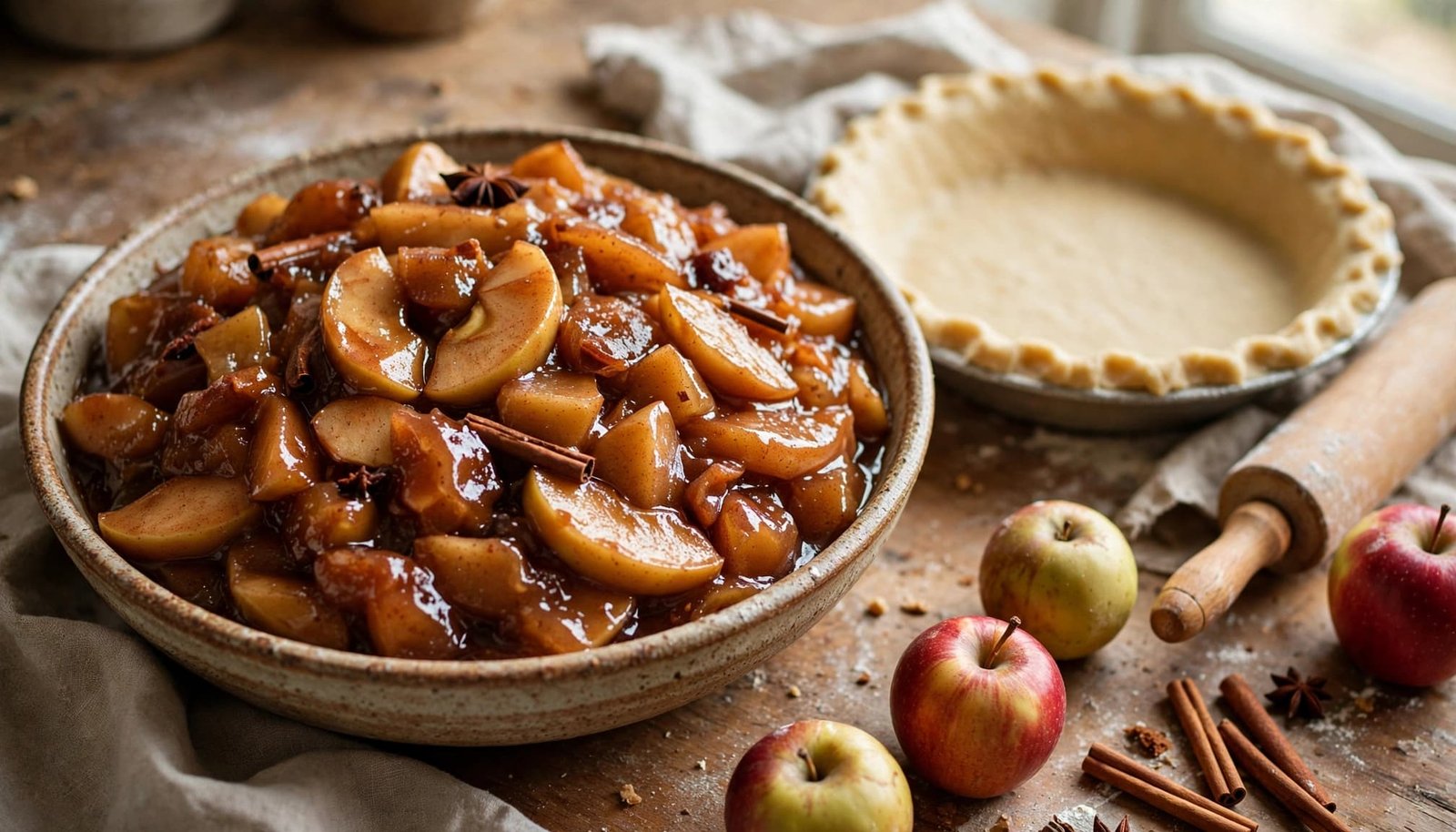
- Wash, peel, core, and slice the apples. Toss them with the lemon juice in a large bowl, then set them aside.
- In a large saucepan, whisk the sugar, cornstarch, cinnamon, nutmeg, salt, and cold water or apple juice until completely smooth. Keep the heat off while whisking.
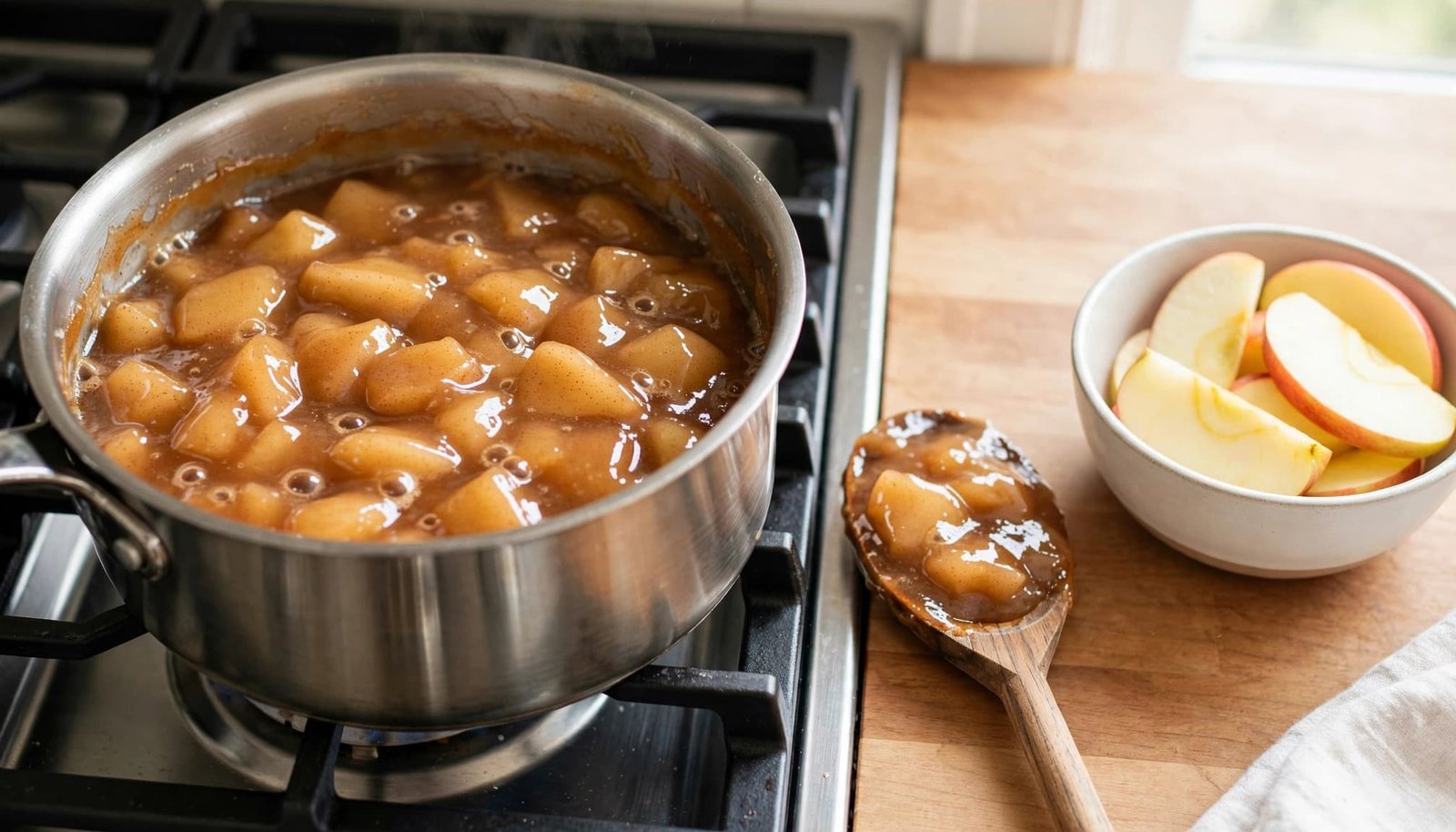
- Set the pan over medium heat. Stir often as the liquid warms, scrapes the pan bottom, bubbles, and thickens. Cook until the sauce coats a spoon and looks glossy.
- Add the apple slices. Fold them through the sauce, lower the heat to medium-low, and simmer gently for 8 to 12 minutes. The apples should pierce easily with a fork while still holding their shape.
- Take the pan off the heat. Stir in vanilla or butter, if using. Taste after the filling cools for a minute, since hot syrup can taste less sweet than cooled filling.
- Let the filling cool slightly before spooning it into a prepared pie crust or clean storage containers. Avoid packing it into containers while it is piping hot.
How to Keep the Filling Smooth Instead of Lumpy
Always whisk cornstarch into cold liquid before heating it. Adding dry cornstarch directly to hot sauce creates stubborn lumps that are hard to dissolve.
If small lumps appear, whisk vigorously while the sauce cooks. You can also strain the sauce before adding the apples. When the mixture seems too thick, stir in a splash of water or apple juice.
The sauce thickens more as it cools. Therefore, stop cooking while it is still loose enough to flow slowly from a spoon.
How to Use Clear Jel for a Shelf-Stable Canned Version
Clear Jel is the thickener used in tested home-canning guidance for apple pie filling. The commonly cited amount is 1/4 cup Clear Jel per quart, or 1 3/4 cups for 7 quarts.
Those measurements are only one part of the process. Use a current tested recipe that gives the exact fruit preparation, ingredients, jar size, headspace, and processing time. Do not treat Clear Jel as a direct replacement for cornstarch in this stovetop recipe.
Cool, Store, and Serve the Filling the Right Way
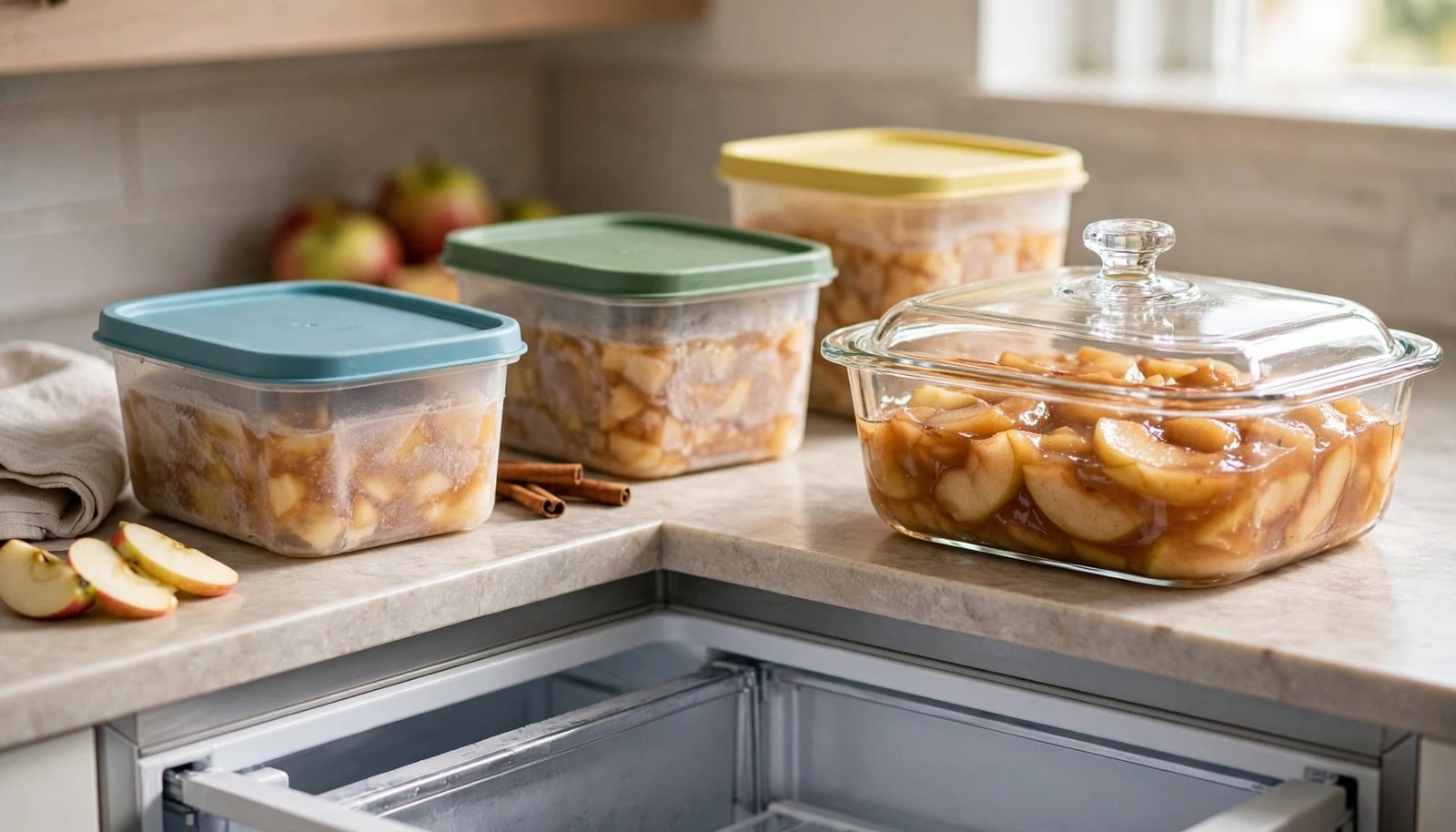
Transfer the cooked filling to shallow containers so it cools faster. Once it has stopped steaming heavily, cover and refrigerate it. For a practical home-kitchen storage window, use refrigerated filling within 3 to 4 days.
For freezing, divide the filling into freezer-safe containers or heavy freezer bags. Leave about 1/2 inch of room at the top for expansion, label each container with the date, and thaw it in the refrigerator.
Discard any filling with mold, an off smell, bubbling, or an unusual appearance. Don’t taste it to decide whether it is safe.
Bake It Into a Classic Apple Pie
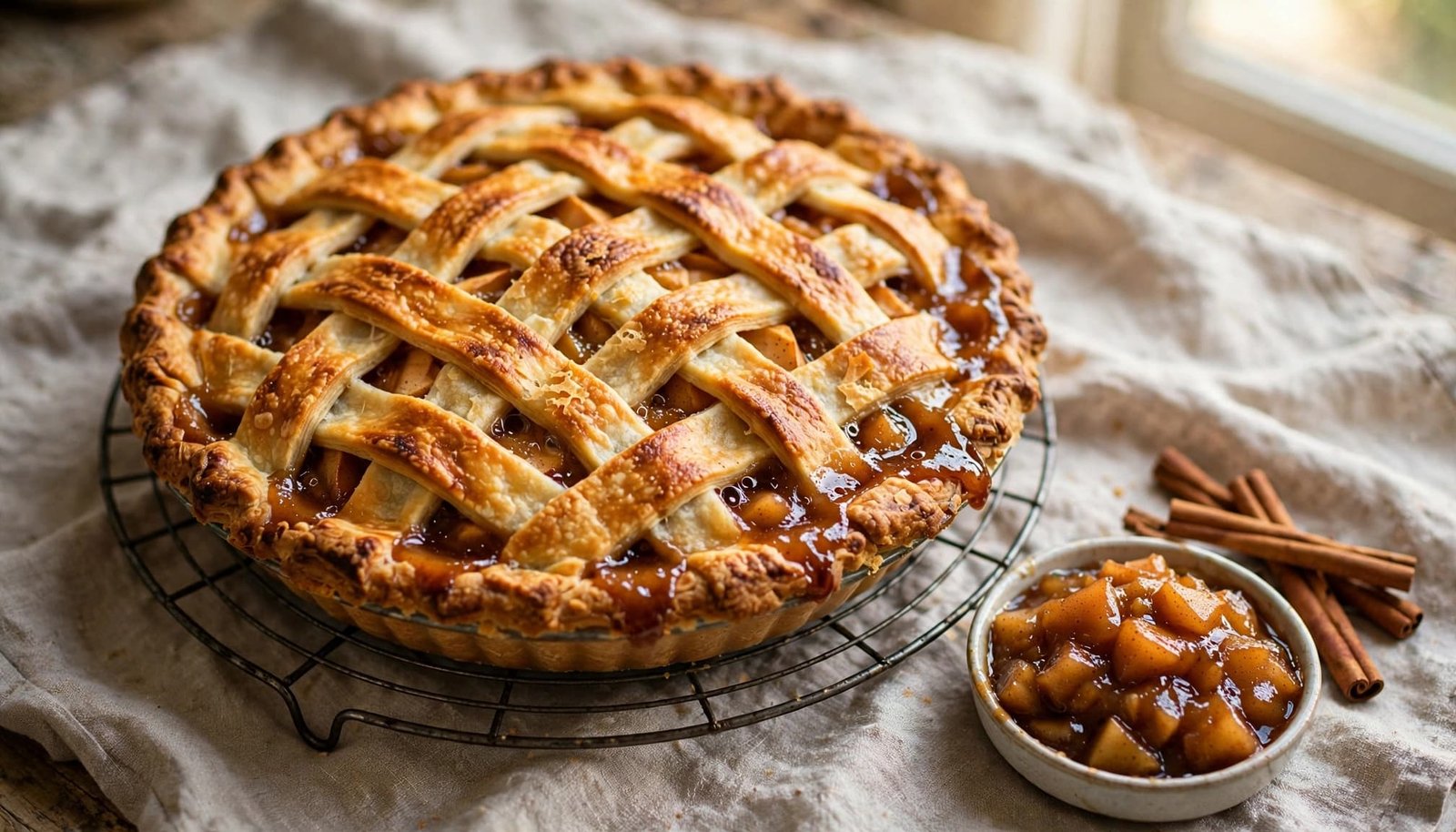
Spoon cooled filling into a prepared 9-inch pie crust and add a top crust or lattice. Cut vents in a full top crust so steam can escape.
Bake until the crust is deeply golden and the filling bubbles through the vents. Because the apples are already cooked, the pie often needs less oven time than one made with raw fruit. Shield the crust edges if they brown too quickly.
Easy Ways to Adjust the Texture and Flavor
Use less sugar for tart apples, or add a little more for a sweeter dessert. Extra cinnamon gives the filling a warmer flavor, while another teaspoon of lemon juice makes it brighter.
For a thinner filling, reduce the cornstarch slightly. For a thicker one, add a little more, but make these changes only for immediate-use, refrigerated, or frozen filling. Very juicy apples may also need a few extra minutes on the stove.
Common Mistakes That Can Ruin Apple Pie Filling
Uneven slices cook at different speeds. Cut the apples to a consistent thickness so every piece turns tender at about the same time.
Overcooking is another common problem. Simmer the apples only until fork-tender, because they will soften again during baking. Skipping lemon juice can leave the filling tasting flat and allow the apples to brown faster during prep.
Dry cornstarch added to hot liquid forms lumps. Start with cold liquid, then heat the mixture slowly while stirring. Too much cornstarch makes the cooled filling pasty, so loosen it with a little water or juice if needed.
Finally, don’t seal hot filling in deep containers and leave it on the counter. Cool it promptly in shallow containers, then refrigerate or freeze it. Never process this cornstarch-thickened filling in a boiling-water canner, even if an older recipe says otherwise.
Frequently Asked Questions
Can I use cornstarch instead of Clear Jel for canning?
No. Use Clear Jel in a complete tested recipe for home-canned apple pie filling. Cornstarch can affect heat penetration, clump, and produce poor texture after processing. Refrigerate or freeze the cornstarch version instead.
Can I make this apple pie filling without peeling the apples?
You can, but the peels create a chewier filling and may curl away from the apple as it cooks. Peeling gives the filling a softer, classic pie texture. It is also a better choice for apples with tough skins.
Why is my apple pie filling too runny?
The sauce may not have reached a full simmer, or the apples may have released more juice than expected. Let the filling cool first, because cornstarch thickens as it cools. For immediate-use filling, return it to the pan and cook briefly, or add a small cornstarch slurry.
How long does homemade apple pie filling last in the refrigerator?
Store it covered in the refrigerator and use it within 3 to 4 days. Check the smell, appearance, and texture before using it. Discard filling that appears spoiled instead of tasting it.
Can I freeze apple pie filling with cornstarch?
Yes. Freeze it in freezer-safe containers or bags with room for expansion. Cornstarch-thickened filling can change texture a little after thawing, so stir it well and warm it gently if the sauce needs smoothing.
A Filling for Pie Now and Desserts Later
Cornstarch makes a quick apple pie filling for desserts you will bake soon, refrigerate, or freeze. Clear Jel and a tested process are the right choice when you want shelf-stable canned jars.
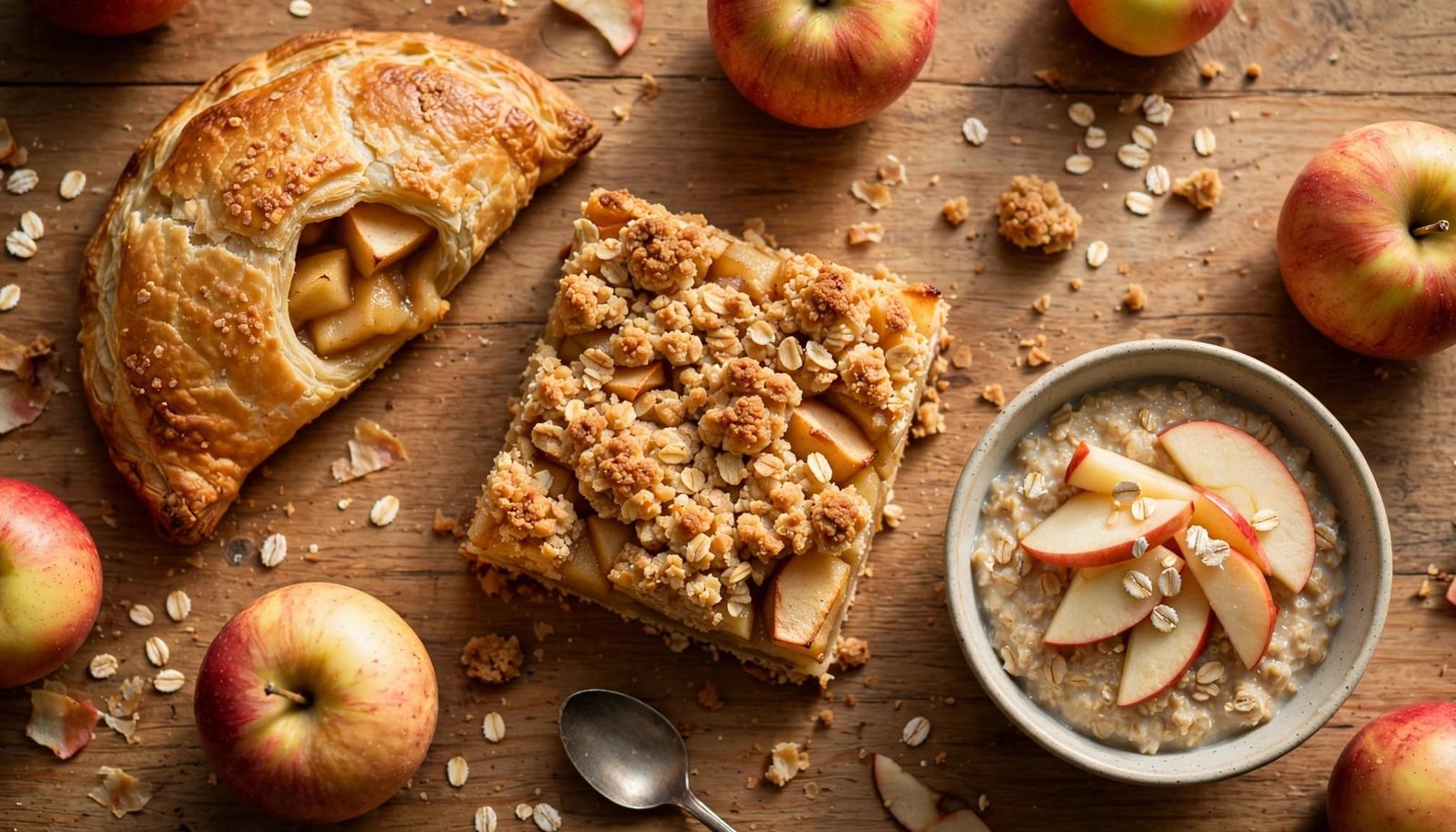
Even apple slices, gentle simmering, and proper cooling give you the best texture. Spoon the finished filling into a pie, fold it into turnovers, or bake it under a crisp topping for an easy dessert.
Save the pin for later

I’m the creator of My Everyday Dish, a food blog focused on easy homemade recipes, comforting family meals, simple baking, and seasonal food ideas. I love finding practical ways to make everyday cooking less stressful and more enjoyable. Here, I share recipes with simple ingredients, clear instructions, and plenty of flavor, helping you make delicious meals and treats you’ll feel confident serving at home.
Leave a Reply