
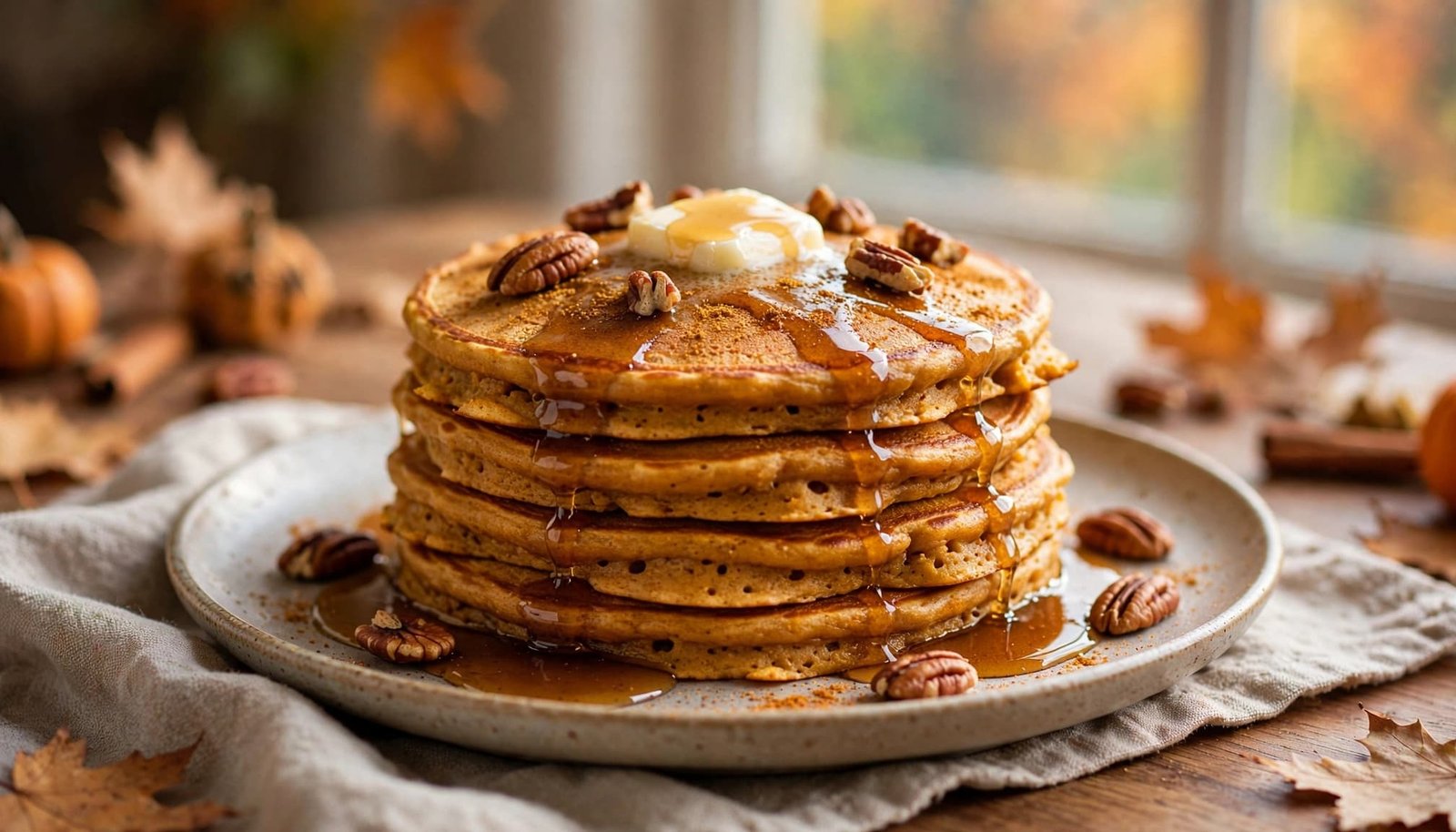
I love making pumpkin pancakes on cool fall mornings, when the kitchen smells like cinnamon and the first stack comes off the skillet with crisp edges. A warm plate, maple syrup, and a slow start to the day make breakfast feel a little more special.
These gluten free pumpkin pancakes are tender, warmly spiced, and easy enough for a relaxed breakfast at home. You’ll learn which ingredients create lift, how to mix and rest the batter, how to cook pancakes without burning them, and how to save leftovers for another morning.
With the right heat and a little patience, you can bring a fluffy stack to the table while it is still warm.
Fluffy Gluten Free Pumpkin Pancakes for Cozy Fall Mornings
This recipe makes about 10 to 12 pancakes, enough to serve four people. Use about 1/4 cup of batter per pancake for even cooking and a thick, fluffy center.
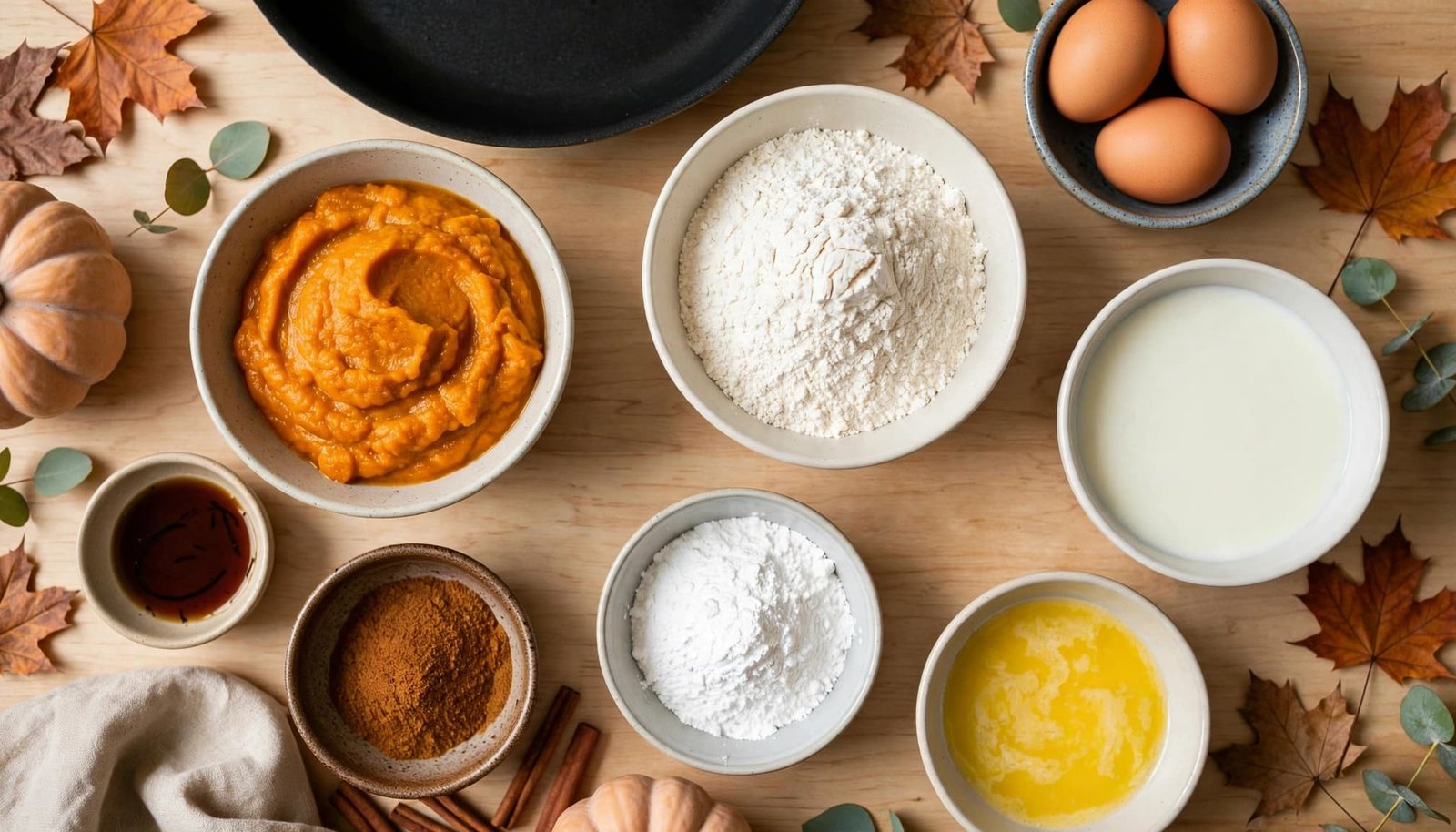
Your key ingredients each have a job:
- A 1-to-1 gluten-free flour blend with xanthan gum gives the pancakes structure.
- Pumpkin puree adds moisture, color, and classic fall flavor.
- Baking powder creates the lift that keeps the centers light.
- Eggs add richness and help hold each pancake together.
- Milk or buttermilk hydrates the flour and loosens the batter.
- Pumpkin pie spice brings cinnamon, ginger, nutmeg, and clove warmth.
Use plain canned pumpkin puree, not pumpkin pie filling. Pie filling already contains sugar and spices, so it can throw off the sweetness and texture.
If you have celiac disease or avoid gluten strictly, choose certified gluten-free ingredients when possible. The Celiac Disease Foundation’s label-reading guidance also explains why ingredient labels and cross-contact warnings matter.
Gather the ingredients and prepare your cooking space
Measure your flour carefully, then check the package for xanthan gum. Many cup-for-cup blends already include it, so adding more can make your pancakes rubbery.
Whisk the flour, baking powder, pumpkin pie spice, sugar, and salt in one bowl. This spreads the leavening and spices through every pancake. Set out the eggs, pumpkin puree, milk, melted butter or oil, and vanilla before you begin.
Preheat a nonstick skillet, griddle, or electric griddle over medium-low heat. Depending on your appliance, aim for roughly 275 to 350°F. Moderate heat gives the pumpkin-rich centers time to cook before the outside turns too dark.
Mix and Cook the Batter with Gentle Heat
Pumpkin batter needs a light hand. Once you know what to look for, the process feels simple and predictable.
Mix, rest, and adjust the gluten-free pancake batter
Whisk the eggs, pumpkin puree, milk, melted butter or oil, and vanilla in a large bowl. Then add the dry mixture and fold gently until you no longer see dry streaks.
Stop there. Overmixing can make gluten-free pancakes dense, even though they don’t contain wheat gluten. Let the batter rest for 5 to 10 minutes so the flour absorbs moisture and the texture loses its gritty feel.
After resting, the batter should mound slightly before it slowly pours from a measuring cup. If it is too thick, stir in milk one tablespoon at a time. Pumpkin puree varies in moisture, so avoid pouring in extra liquid all at once.
Cook the pancakes until golden and fully set
Lightly grease the hot pan with butter, oil, or cooking spray. Scoop about 1/4 cup batter for each pancake, leaving room between them so you can flip easily.
Cook the first side for 2 to 3 minutes. Watch for bubbles across the top and edges that look dry and set. Flip once with a thin spatula, then cook for another 1 to 2 minutes until the second side is golden.
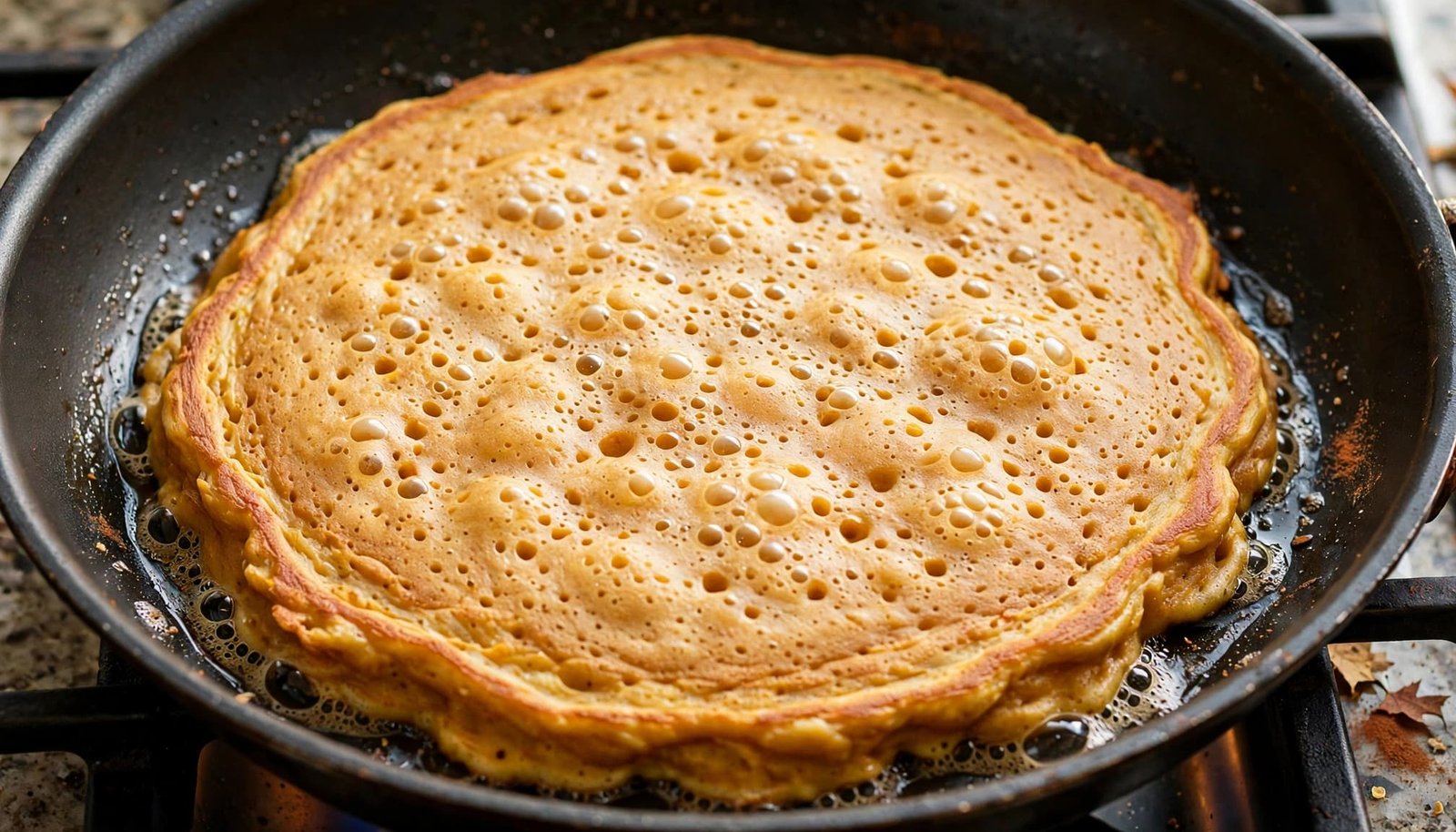
Lower the heat if the pancakes brown before the centers finish. Keep cooked pancakes warm in a low oven, but don’t stack them tightly while they steam if you want crisp edges.
A dark skillet can hide early scorching. Test your heat with one small pancake before cooking the full batch.
How to Keep Gluten Free Pumpkin Pancakes Light and Tender
The best gluten free pumpkin pancakes depend on four things working together: a balanced flour blend, fresh leavening, a short batter rest, and steady cooking heat. Pumpkin adds welcome moisture, but it also adds weight. Too much puree can leave the middle damp and heavy.
Choose the right gluten-free flour blend
A cup-for-cup or 1-to-1 flour blend is the easiest option because it is designed to replace all-purpose wheat flour. These blends usually combine rice flour with starches, which help pancakes stay soft instead of sandy or crumbly.
Check the label before adding xanthan gum. If the blend includes it, skip extra gum unless your recipe calls for it. Almond flour, oat flour, and coconut flour behave differently, so don’t swap them in equal amounts without using a tested recipe.
Fresh baking powder also matters. If yours has been open for a long time, replace it before breakfast. Old baking powder loses strength, and no amount of stirring will bring back the lift.
Fix batter texture and common cooking problems
If the batter seems thick, add a little milk and stir gently. When it looks runny, let it rest a few more minutes before adding a small spoonful of flour.
Use these quick fixes when a batch goes sideways:
- Dense pancakes often mean overmixed batter, old baking powder, or a skillet that is too cool.
- Gummy centers usually need lower heat and smaller portions of batter.
- Dry pancakes can come from too much flour, so spoon flour into the measuring cup instead of packing it.
- Burnt outsides with raw centers mean the pan is too hot.
- Crumbling pancakes need more time on the first side before you flip them.
Never press a pancake down after flipping it. That pushes out the air pockets you worked to create.
Serve Your Pumpkin Pancakes with Cozy Fall Toppings
Serve the pancakes hot, when the edges still have a little bite and the inside feels soft. Warm maple syrup and a pat of butter are all you need, although fall toppings can make the plate feel generous.
Try a spoonful of whipped cream, toasted pecans, chopped walnuts, sliced bananas, or a light dusting of powdered sugar. Cinnamon butter is also easy: stir ground cinnamon into softened butter, then let it melt over the stack. For tang, add a spoonful of Greek yogurt.
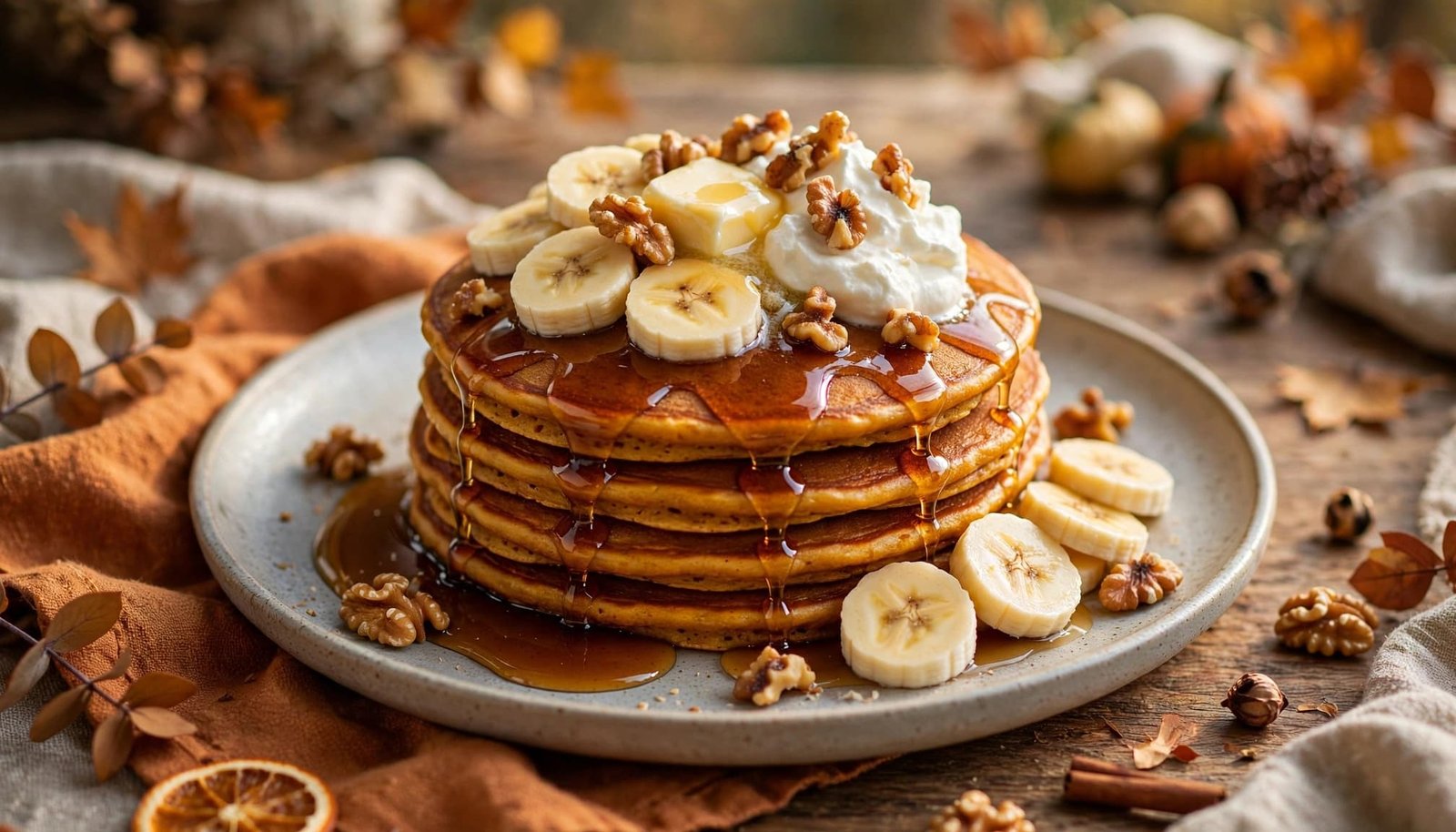
For a dairy-free breakfast, use dairy-free milk and butter. Check each label if gluten avoidance is part of your diet. In the United States, foods labeled gluten-free must meet the FDA’s gluten-free labeling standard.
Round out the meal with scrambled eggs, fresh berries, turkey sausage, or bacon. Keep the finished pancakes in a low oven for a few minutes while you finish the batch, then bring everything to the table together.
Store and reheat leftovers without losing their texture
Let leftover pancakes cool completely, then refrigerate them in an airtight container for 2 to 3 days. For longer storage, place parchment paper between each pancake, wrap the stack well, and freeze for up to 3 months.
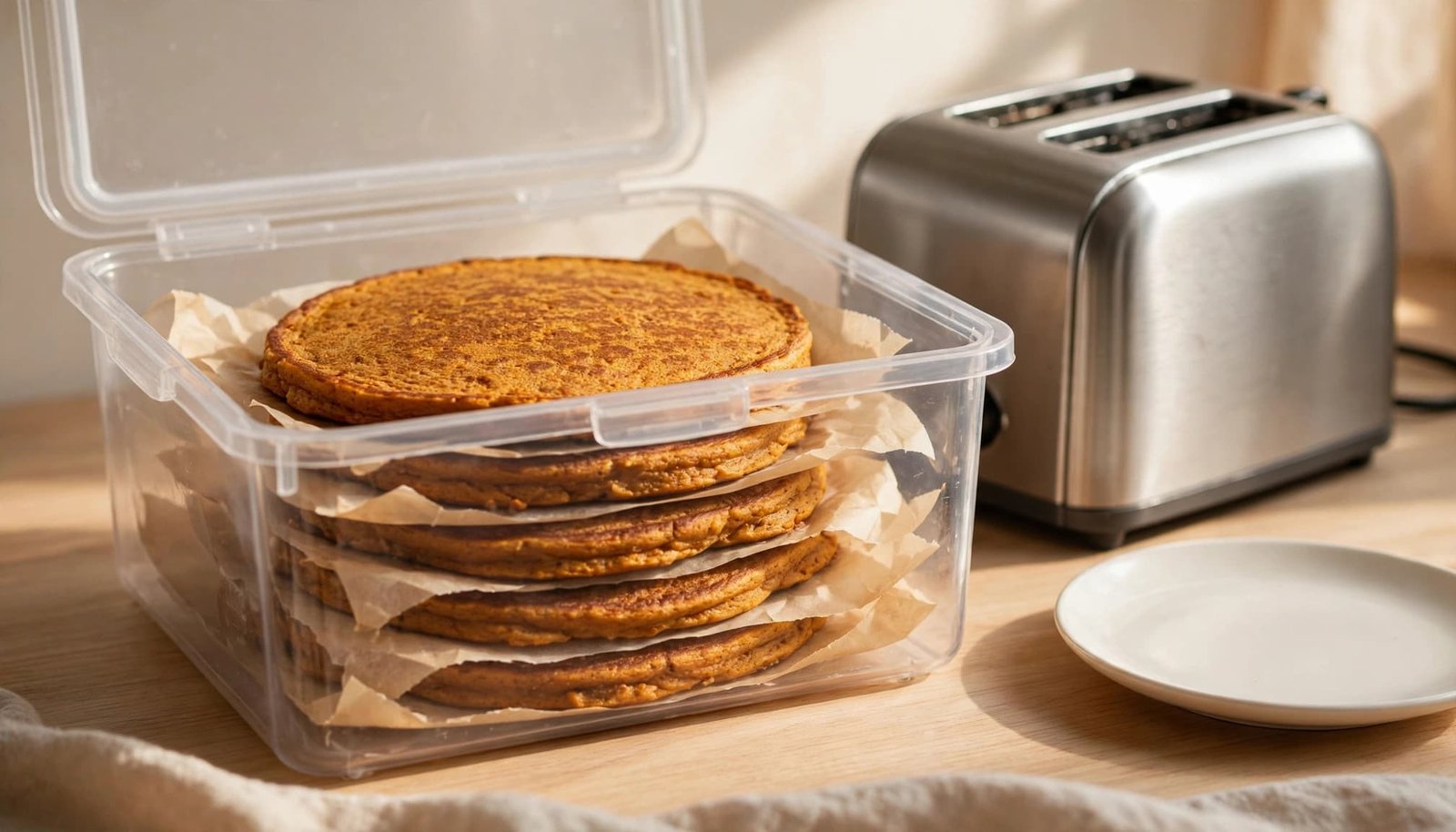
A toaster works well for one or two pancakes and restores the edges. Use the microwave when you prefer a softer texture. For a larger batch, warm pancakes in a 350°F oven for 5 to 10 minutes.
Reheat only what you plan to eat. Repeated warming can dry out the pumpkin pancakes.
Frequently Asked Questions
Can you make the batter the night before?
You can mix the dry ingredients the night before and store them in a covered bowl. However, mix the wet ingredients and baking powder with the flour in the morning for the fluffiest pancakes. A fully mixed batter can thicken and lose some lift overnight.
Can you use homemade pumpkin puree?
Yes, although canned puree is more consistent. Homemade puree often has extra water, so drain it well before measuring. If the batter loosens too much, let it rest before making any adjustments.
Why do my pumpkin pancakes look dark so quickly?
Pumpkin puree and spices naturally deepen the color of the batter. Sugar also browns quickly. Turn down the heat and give each pancake extra time to cook through without scorching.
Can you make these pancakes without eggs?
A flax egg or a commercial egg replacer may work, but the pancakes will be less rich and may not rise as high. Choose a gluten-free flour blend with xanthan gum to give the egg-free batter better support.
What syrup goes best with pumpkin pancakes?
Pure maple syrup is a classic choice because its caramel notes pair well with pumpkin spice. Apple cider syrup, honey, or warm pecan syrup also work well when you want a change.
A Warm Stack Is Worth the Slow Morning
Tender, fluffy gluten free pumpkin pancakes come from a reliable flour blend, a measured amount of pumpkin puree, a rested batter, and moderate heat. Once you avoid overmixing and give the first side time to set, each pancake cooks up soft inside with golden edges.
Add the toppings you love, then make these pancakes part of a slow weekend breakfast or holiday morning. Bring out the maple syrup and enjoy that warm pumpkin spice flavor while the stack is still fresh from the skillet.
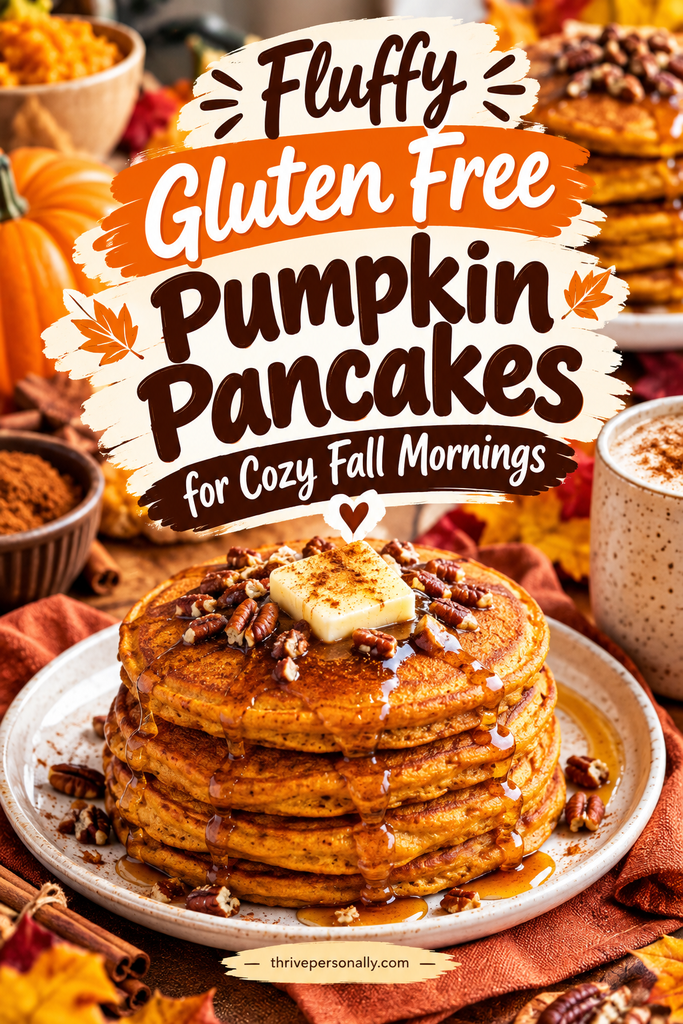
Save the pin for later

I’m the creator of My Everyday Dish, a food blog focused on easy homemade recipes, comforting family meals, simple baking, and seasonal food ideas. I love finding practical ways to make everyday cooking less stressful and more enjoyable. Here, I share recipes with simple ingredients, clear instructions, and plenty of flavor, helping you make delicious meals and treats you’ll feel confident serving at home.
Leave a Reply