
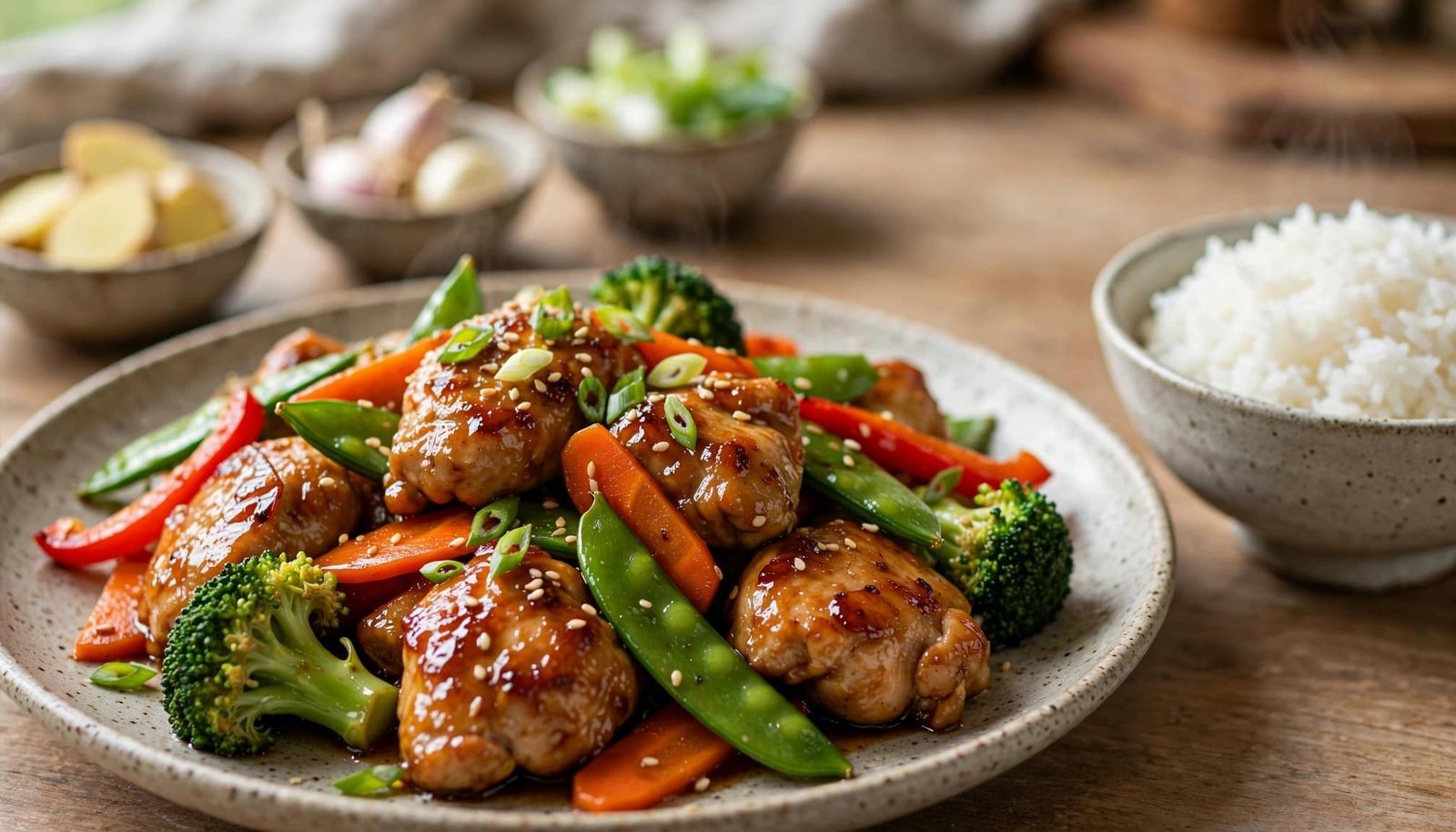
A quick chicken stir-fry brings a flavorful dinner to the table without keeping you in the kitchen all night. These 17 Japanese-inspired ideas include chewy noodle dishes and stir-fries that pair easily with rice, using simple ingredients and clear cooking steps.
Choose a weeknight-friendly recipe that fits what you have on hand, then prep everything before the pan gets hot. Start with these ideas, or try our healthy chicken and vegetable stir-fry for another easy dinner option.
17 Easy Japanese Chicken Recipes for Stir-Fry Dinners
These recipes use familiar ingredients and cook quickly in a skillet or wok. Prep everything first, then cook the chicken until a thermometer reads 165°F in the thickest pieces.
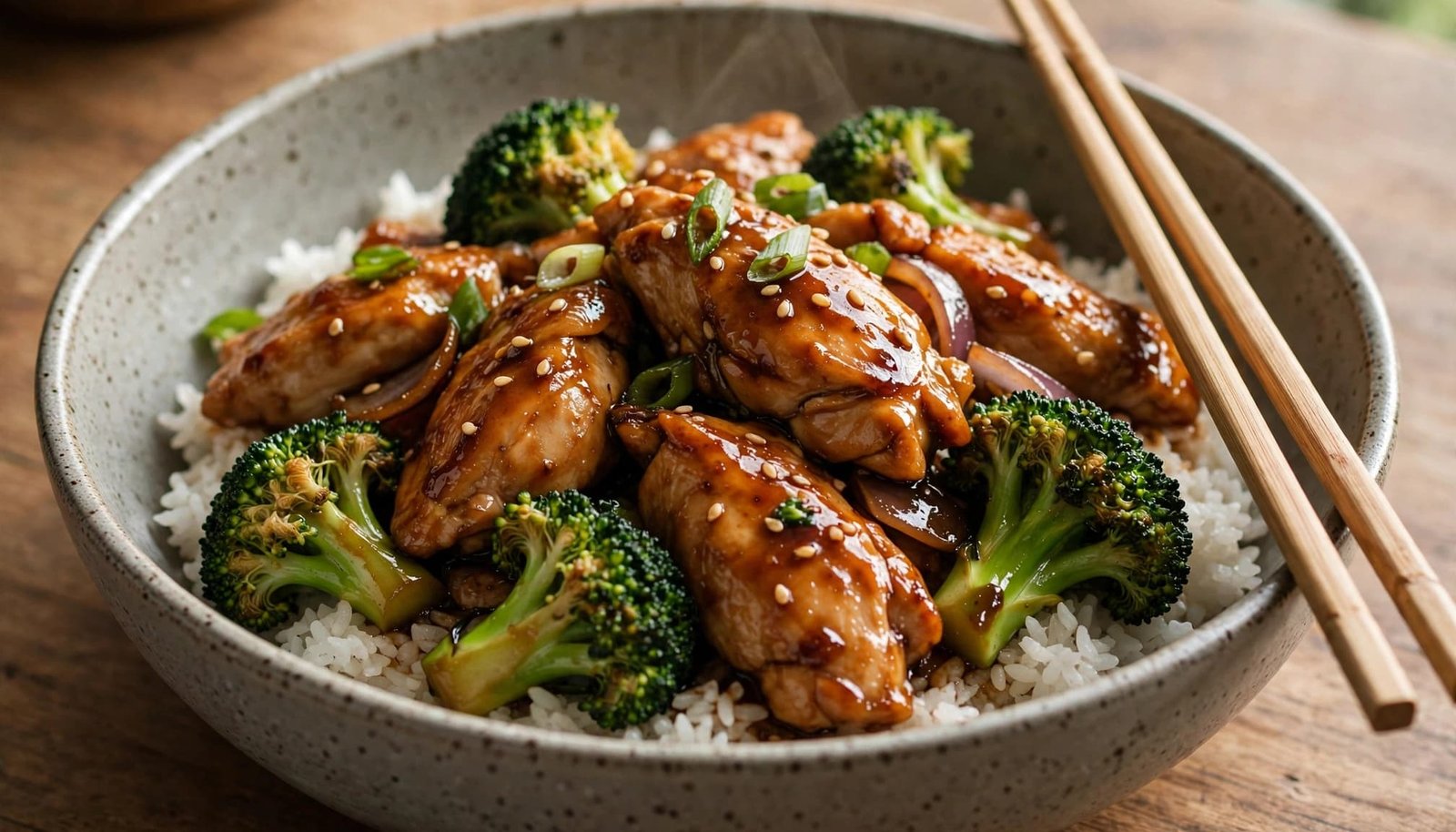
1. Chicken Teriyaki and Broccoli Stir-Fry
Ingredients: 1 lb chicken, 3 cups broccoli, 3 tbsp soy sauce, 2 tbsp mirin, 1 tsp sugar, 1 tsp cornstarch.
- Mix soy sauce, mirin, sugar, cornstarch, and 2 tbsp water. Brown chicken, then stir-fry broccoli until crisp-tender.
- Add sauce and simmer until glossy and chicken reaches 165°F. Serve over rice.
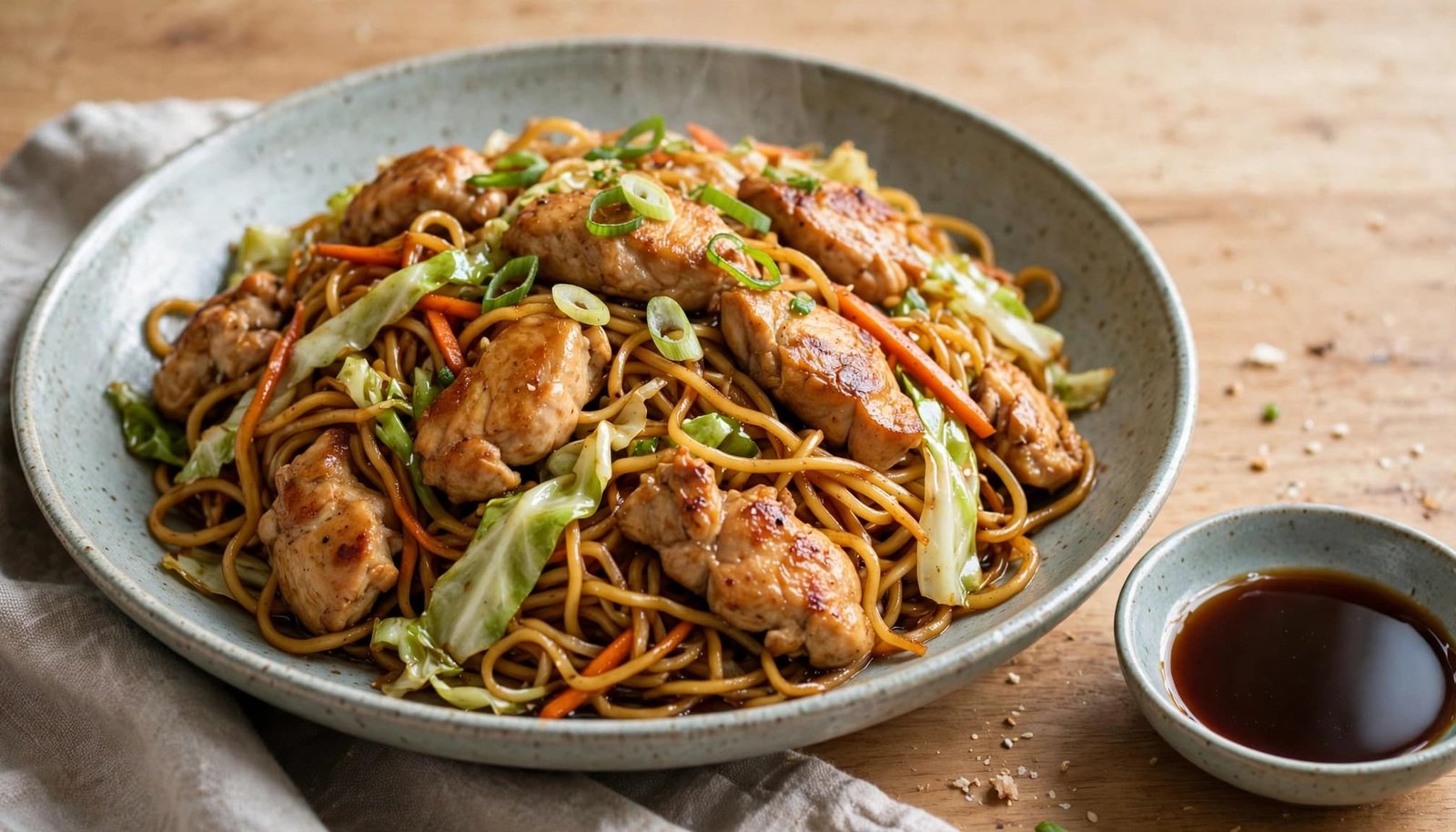
2. Chicken Yakisoba with Cabbage
Ingredients: 1 lb chicken, 12 oz yakisoba noodles, 2 cups cabbage, 1 carrot, ½ onion. Sauce: 1 tbsp each soy, Worcestershire, ketchup, oyster sauce; 1 tsp ginger.
- Brown chicken; stir-fry sliced vegetables until crisp-tender.
- Add cooked noodles and sauce. Toss until hot.
3. Chicken Yaki Udon with Broccoli and Peppers
Ingredients: 1 lb chicken, 12 oz udon, 2 cups broccoli, 1 pepper, ½ onion, 2 tbsp soy sauce, 1 tbsp mirin, garlic, ginger.
- Loosen udon. Cook chicken, onion, broccoli, and pepper until tender.
- Add noodles, soy, mirin, garlic, and ginger; toss until hot.
Read also: Homemade Chinese Chicken Fried Rice With Simple Ingredients
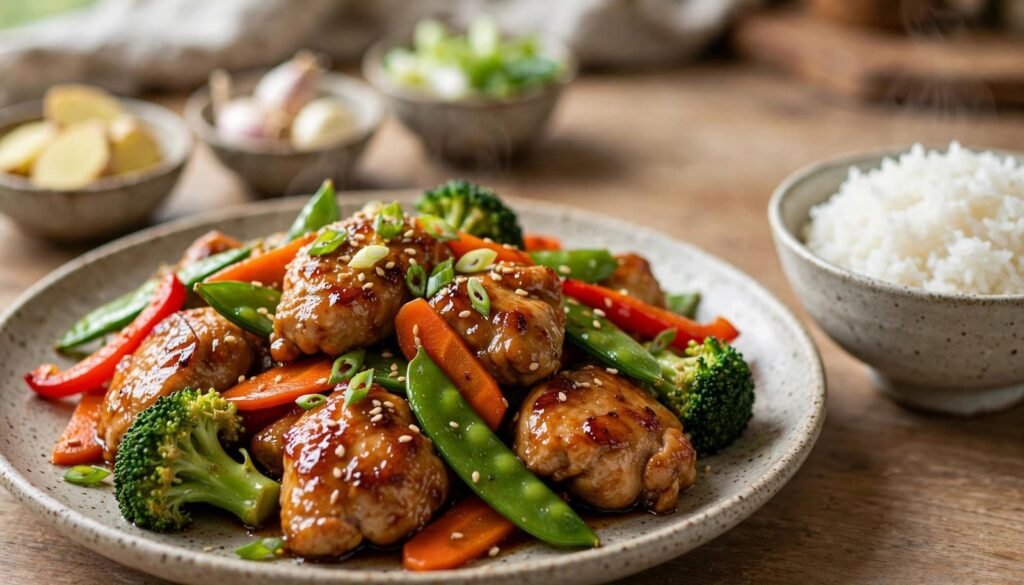
4. Ginger Soy Chicken with Snap Peas
Ingredients: 1 lb chicken, 2 cups snap peas, 2 tbsp soy sauce, 1 tbsp grated ginger, 1 garlic clove, 1 tsp honey.
- Mix sauce; sear chicken until browned.
- Stir-fry snap peas, then add sauce and chicken. Cook to 165°F.
5. Miso Chicken and Mushroom Stir-Fry
Ingredients: 1 lb chicken thighs or breast, 8 oz mushrooms, 1 tbsp white miso, 1 tbsp each soy sauce and mirin, 2 tbsp water.
- Whisk miso, soy, mirin, and water. Brown chicken, then cook mushrooms until tender.
- Add sauce and stir gently over low heat so the miso doesn’t scorch.
6. Chicken and Cabbage Shoyu Stir-Fry
Ingredients: 1 lb chicken, 4 cups sliced cabbage, ½ onion, 2 tbsp soy sauce, 2 tbsp sake or water, 1 tsp sesame oil.
- Cook chicken until browned; add cabbage and onion.
- Stir-fry with soy, sake, and sesame oil until softened but still crisp.
7. Ponzu Chicken with Green Beans
Ingredients: 1 lb chicken, 2 cups green beans, 3 tbsp ponzu, 1 garlic clove, 1 tsp sesame seeds.
- Brown chicken; stir-fry beans until crisp-tender.
- Add garlic and ponzu near the end. Toss and finish with sesame seeds.
8. Chicken and Shiitake Mushroom Stir-Fry
Ingredients: 1 lb chicken, 8 oz shiitakes, 2 scallions, 2 tbsp soy sauce, 1 tbsp mirin, 1 tsp sugar.
- Sear chicken, then cook sliced mushrooms until tender.
- Add soy, mirin, and sugar; cook until coated. Finish with scallions.
9. Sesame Chicken with Bok Choy
Ingredients: 1 lb chicken, 4 baby bok choy, 1 tbsp soy sauce, 1 tsp sesame oil, 1 garlic clove, 1 tsp sesame seeds.
- Brown chicken. Add bok choy stems and garlic, then cook briefly.
- Add leaves, soy, and sesame oil. Toss until wilted; sprinkle with seeds.
10. Chicken and Eggplant Miso Stir-Fry
Ingredients: 1 lb chicken, 2 Japanese eggplants, 1 tbsp miso, 1 tbsp each mirin and soy sauce, 1 tbsp oil.
- Brown chicken and set aside. Add oil and eggplant in a single layer; cook until tender.
- Stir miso, mirin, and soy together. Return chicken to the pan with sauce and heat through.
11. Chicken and Carrot Kinpira-Style Stir-Fry
Ingredients: 1 lb chicken, 2 carrots, 2 tbsp soy sauce, 1 tbsp mirin, 1 tsp sugar.
- Cut carrots into thin matchsticks. Stir-fry them with chicken until nearly tender.
- Add soy, mirin, and sugar; toss until lightly glazed.
12. Garlic Butter Soy Chicken and Corn
Ingredients: 1 lb chicken, 2 cups corn, 1 tbsp soy sauce, 2 garlic cloves, 1 tbsp butter.
- Brown chicken; cook corn until lightly golden.
- Add garlic, soy, and butter. Stir until fragrant and chicken reaches 165°F.
13. Chicken and Bean Sprout Stir-Fry
Ingredients: 1 lb chicken, 4 cups bean sprouts, 2 scallions, 1 tbsp soy sauce, 1 tsp sesame oil.
- Cook chicken until browned and cooked through.
- Add sprouts briefly to keep them crisp. Season with soy and sesame oil just before serving to limit excess liquid.
Read also: 18 Easy Air Fryer Sweet Snack Recipes to Make at Home
14. Spicy Chicken and Pepper Stir-Fry
Ingredients: 1 lb chicken, 2 bell peppers, 2 tbsp soy sauce, 1 garlic clove, 1 tsp chili paste or oil.
- Cook chicken until browned; add sliced peppers and stir-fry until crisp-tender.
- Stir in soy, garlic, and chili. Adjust the heat to taste.
15. Chicken and Zucchini Teriyaki Stir-Fry
Ingredients: 1 lb chicken, 2 zucchini, 3 tbsp soy sauce, 2 tbsp mirin, 1 tsp sugar, 1 tsp cornstarch.
- Mix soy, mirin, sugar, cornstarch, and 2 tbsp water. Cook chicken, then quickly stir-fry zucchini over high heat.
- Add sauce and toss until glossy, keeping the zucchini from turning mushy.
16. Chicken and Napa Cabbage Yaki Udon
Ingredients: 1 lb chicken, 12 oz udon, 3 cups Napa cabbage, 1 carrot, 2 tbsp soy sauce, 1 tbsp mirin, optional dashi.
- Cook chicken, cabbage, and sliced carrot until tender. Loosen udon according to package directions.
- Add noodles, soy, mirin, and optional dashi. Toss until steaming hot.
17. Chicken Yakisoba with Pineapple and Peppers
Ingredients: 1 lb chicken, 12 oz yakisoba noodles, 1 bell pepper, 1 cup pineapple, 1 tbsp soy sauce, 1 tsp Worcestershire sauce.
- Sear chicken; stir-fry sliced pepper until crisp-tender.
- Add noodles, pineapple, soy, and Worcestershire. Toss until hot.
Serve the teriyaki rice bowl with extra vegetables, or pair it with our 15-minute teriyaki chicken rice bowls. Check chicken with a thermometer before serving, following the USDA safe temperature chart.
Simple Ways to Get Better Flavor from Japanese Chicken Stir-Fries
A few small choices help chicken stir-fries taste balanced and cook evenly. Set out your ingredients before heating the pan, then choose noodles or rice to match the sauce.
Choose the Right Noodles, Rice, and Japanese Pantry Staples
Udon noodles are thick and chewy, so they make a hearty stir-fry. Yakisoba noodles are thinner and cook quickly; both pair well with sliced chicken and vegetables. If noodles aren’t handy, serve the stir-fry over steamed rice for an easy dinner.
A few pantry staples can shape the sauce. Soy sauce brings salt and savory flavor, while mirin adds mild sweetness. Miso is a savory fermented paste, and ponzu adds a tangy, citrusy note. Use sesame oil sparingly near the end, since its toasted flavor can take over if you add too much.
You don’t need every ingredient in one pan. Start with soy sauce and mirin, then add a little miso for depth or ponzu for brightness. Taste before adding more soy sauce, since the other ingredients may already bring enough flavor and salt. For another noodle dinner using familiar pantry ingredients, try our quick chili garlic vegetable noodles.
Keep Chicken Juicy and Vegetables Crisp-Tender
Prep the whole meal before you heat the pan. Slice the chicken into evenly sized pieces, cut the vegetables, mix the sauce, and loosen the noodles if needed. Keeping everything within reach helps you move quickly once the chicken starts to brown.
Use a large skillet or wok, and cook the chicken in batches if the pan looks crowded. Too much chicken at once releases moisture and makes it harder to brown. Return each batch to the pan after the vegetables have cooked.
Add firm vegetables first, then stir in quick-cooking ones, such as bean sprouts or bok choy leaves, near the end. Cook them just until bright and crisp-tender so they don’t turn soft while the sauce heats through.
Check the thickest chicken pieces with a food thermometer and cook to 165°F. The safe minimum cooking temperatures chart lists 165°F for chicken; color alone doesn’t confirm that it has reached a safe temperature.
Easy Swaps, Leftovers, and Make-Ahead Tips
Japanese-inspired chicken stir-fries are easy to adjust when your fridge or pantry is missing an ingredient. Keep the sauce balanced, prep ahead where you can, and store extra portions safely for another meal.
Swap Ingredients Without Losing the Japanese-Inspired Flavor
Chicken thighs work well in place of breast meat and stay tender if the pan gets a little crowded. Broccoli or green beans can replace snap peas; cut firmer vegetables into small pieces so they cook at the same pace. If you’re out of noodles, serve the stir-fry over rice, or use another noodle you have on hand.
Sauces vary in saltiness and sweetness, especially when you combine soy sauce, mirin, miso, ponzu, or a bottled stir-fry sauce. Add the sauce gradually, then taste before adding extra soy sauce, sugar, or other seasoning. A quick taste near the end helps keep the dish from turning too salty or sweet.
You can also prep the sauce and vegetables a day ahead. Mix the sauce in a covered container and refrigerate it, then wash and cut the vegetables and keep them separate. This makes dinner faster, and keeping the vegetables separate helps preserve their texture.
Store and Reheat Stir-Fry for Another Easy Meal
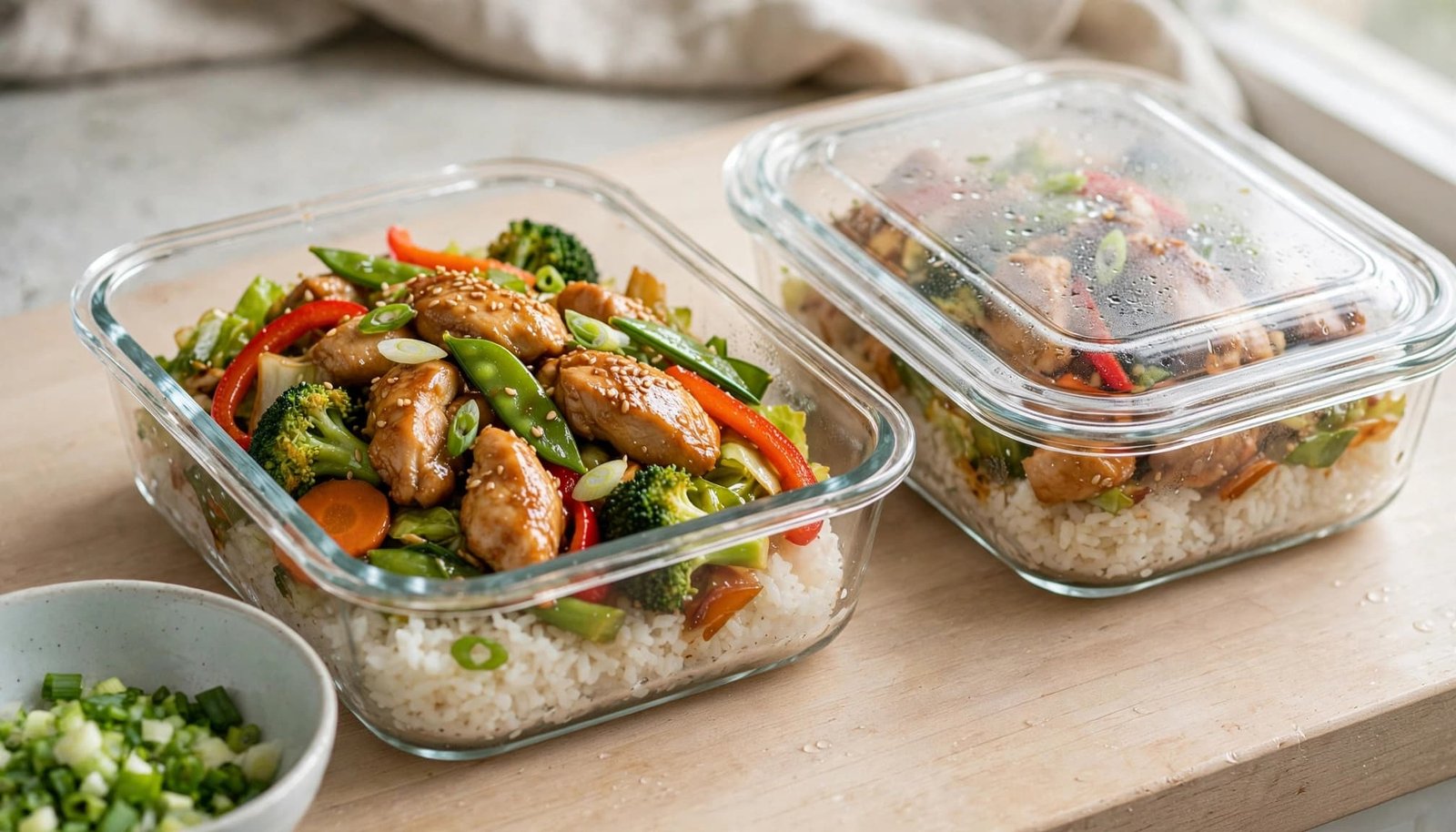
Transfer leftovers to a covered container and refrigerate them within two hours of cooking. Use them within three to four days, following the USDA’s guidance on leftovers. For another make-ahead option, see our chicken bowls for meal prep.
Reheat a portion until it’s steaming hot throughout. Add a small splash of water if the sauce has thickened or the noodles have dried out, then stir as it heats so the sauce loosens evenly. If you’re reheating in a microwave, cover the dish loosely and stir partway through for more even heating.
Frequently Asked Questions
A few ingredient swaps and cooking adjustments can make these chicken stir-fries easier to adapt to what you have on hand. Use these tips to keep the chicken tender, the vegetables crisp, and the sauce balanced.
What cut of chicken works best in a stir-fry?
Chicken breast is lean and cooks quickly, but it can dry out if you leave it in the pan too long. Thigh meat has more fat, so it stays tender if the pan gets crowded or dinner takes a few extra minutes. Either cut works well. Slice the chicken into evenly sized pieces so it cooks quickly and reaches 165°F at about the same time.
Can I use frozen vegetables in these recipes?
Yes, frozen vegetables work well when fresh ones aren’t available. Thaw and drain them first when possible, since ice and extra moisture can keep the vegetables from browning. Add them in a single layer rather than piling them into the pan, then cook off any liquid before adding the sauce. They may soften more than fresh vegetables, so watch them closely.
What can I use instead of mirin?
For each tablespoon of mirin, stir together a small amount of sugar with water or broth, then add it to the sauce. Start with about ½ teaspoon sugar and 1 tablespoon liquid, adjusting to taste. This adds sweetness and moisture, but it won’t have mirin’s exact flavor.
How do I keep stir-fry sauce from getting watery?
Pat wet vegetables dry before cooking, and use a large pan so they have room to brown instead of steaming. Add the sauce near the end, after excess vegetable liquid has cooked away. For a thicker, glossy sauce, stir a little cornstarch into cold water first, then add the slurry gradually and cook until the sauce coats the chicken.
Can I make these chicken stir-fries gluten-free?
Use gluten-free tamari or soy sauce, and check the labels on packaged noodles, bottled sauces, and other seasonings, since some contain wheat. Look for products labeled gluten-free, and see the gluten-free food labeling explanation if you want to know what that label means. When suitable noodles are hard to find, serve the stir-fry over rice, or try our gluten-free chicken and vegetable stir-fry.
Conclusion
These Japanese chicken stir-fry dinners make it easy to choose between chewy noodles and a simple rice bowl. Pick a recipe, prep the chicken and vegetables before heating the pan, then adjust the sauce to suit your family’s taste.
You can swap in different vegetables, noodles, or rice based on what you have. For another easy meal, try our chicken and vegetable rice bowls.
Save the pin for later

I’m the creator of My Everyday Dish, a food blog focused on easy homemade recipes, comforting family meals, simple baking, and seasonal food ideas. I love finding practical ways to make everyday cooking less stressful and more enjoyable. Here, I share recipes with simple ingredients, clear instructions, and plenty of flavor, helping you make delicious meals and treats you’ll feel confident serving at home.
Leave a Reply