
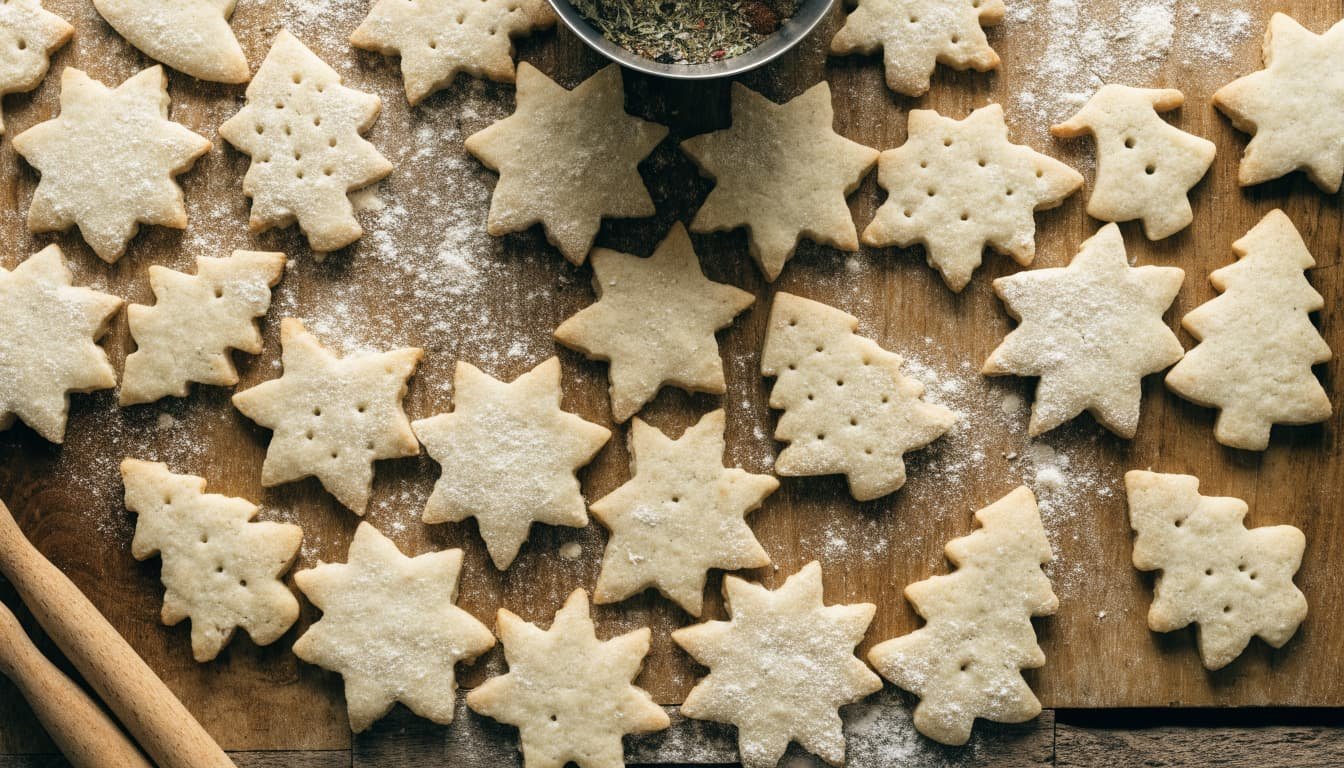
You can make Christmas gingerbread cookies without molasses using pure maple syrup, brown sugar, and a chilled cutout dough. These cookies bake lighter in color, with a gentler spice flavor than traditional molasses gingerbread.
You don’t need special decorating tools, and chilling the dough makes rolling and cutting more manageable. Fresh ginger and lemon zest add brightness, while simple icing gives the finished shapes a festive touch. Start with the measured ingredients below, then follow the mixing, rolling, and baking cues for a batch you can decorate after cooling.
Easy Christmas Gingerbread Cookies Without Molasses for Beginners
This maple version uses familiar baking ingredients and gives you a pause between mixing and rolling. The dough starts soft, then firms in the refrigerator so you can cut recognizable stars, trees, or gingerbread people.
The formula comes from Anna Olson’s Maple Gingerbread Cut-Out Cookies, which makes about 5 dozen 2-inch cookies. Larger cutters will give you fewer cookies and may change the baking time.
Why maple syrup and brown sugar work well together
Maple syrup adds moisture and a maple note, while light brown sugar brings caramel-like sweetness. Together, they suit this dough without copying the darker, slightly bitter flavor of molasses.
These amounts belong to this recipe, rather than a universal substitution rule. Light brown sugar contains some molasses, so this version skips bottled molasses rather than every trace.
Read also: Crispy Gingersnap Cookies With Fresh Ginger for Bold Flavor
What to expect from the finished cookies
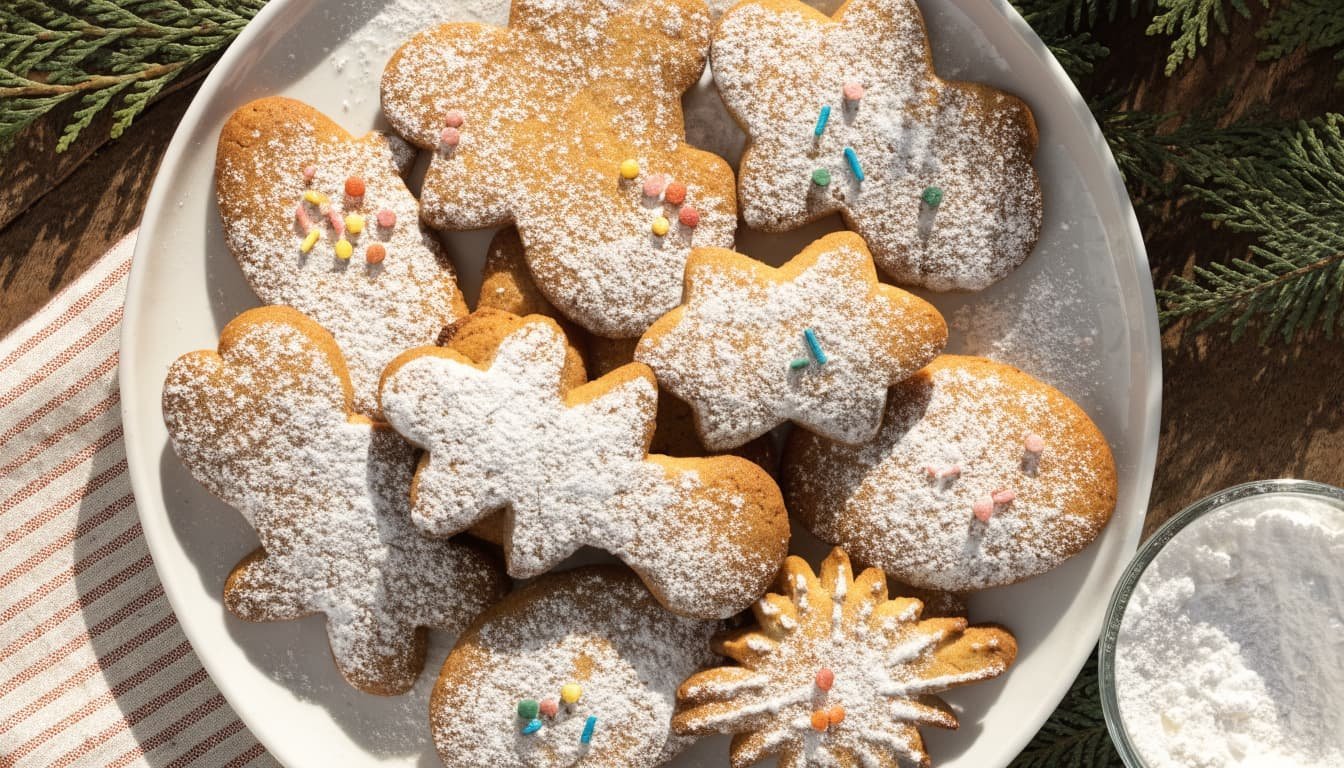
Expect pale golden cookies with mild spice and a little citrus brightness. Thin cutouts bake crisper, while slightly thicker cookies stay softer.
Simple shapes are easier to move than cutters with narrow points. For your first batch, stars and broad Christmas trees are manageable choices.

Gather the ingredients before you start baking
Measure everything before mixing so you can add the ingredients without stopping. You’ll need the following for the dough:
- ½ cup unsalted butter, softened to room temperature.
- ½ cup packed light brown sugar.
- ½ cup pure maple syrup.
- 1 large egg.
- 1 tablespoon finely grated fresh ginger.
- 1 teaspoon finely grated lemon zest.
- 2⅓ cups all-purpose flour.
- ¾ teaspoon ground allspice.
- ½ teaspoon ground cinnamon.
- ½ teaspoon baking soda.
- ½ teaspoon salt.
Set out a mixer, two bowls, measuring cups and spoons, a rolling pin, and cookie cutters. You’ll also need wrapping for the dough and parchment for the baking sheets.
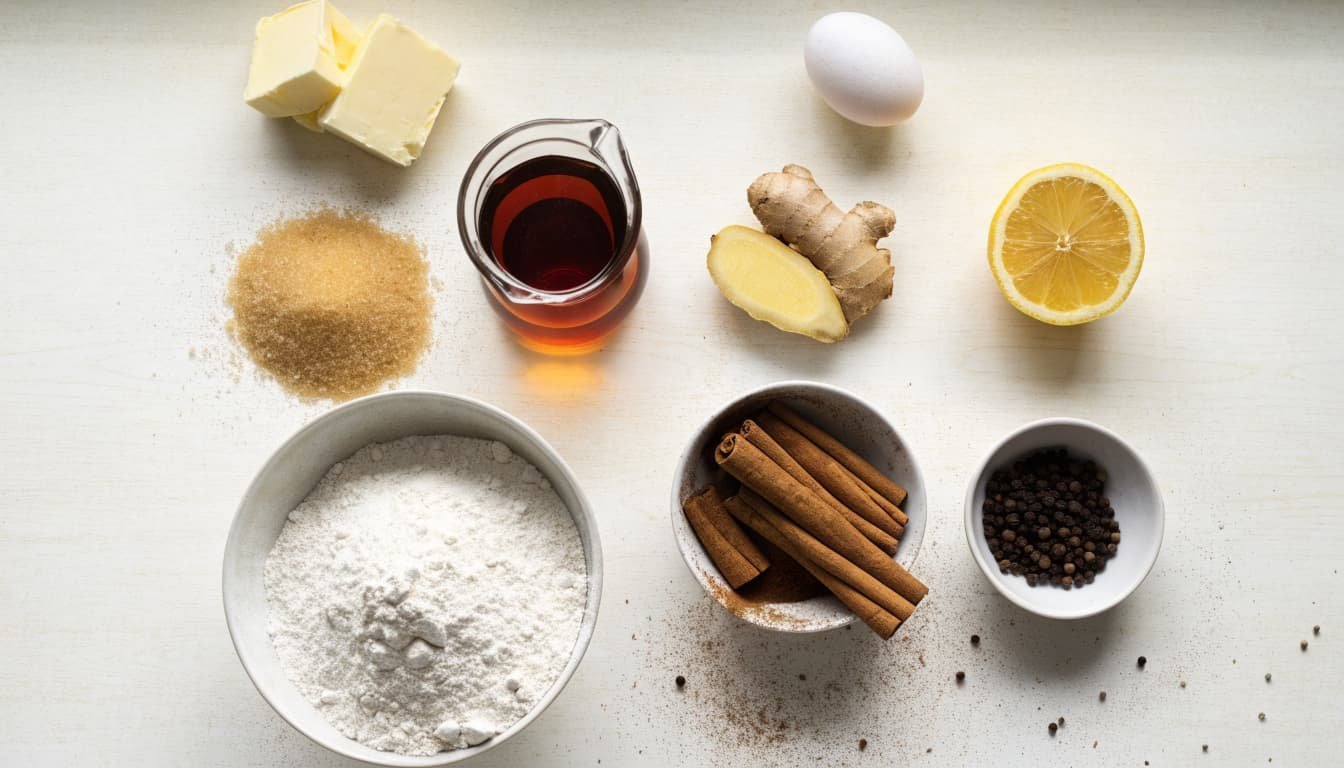
Choose pure maple syrup and room-temperature butter
Use pure maple syrup rather than pancake syrup, which has a different composition and flavor. The butter should beat smoothly but still hold its shape.
If the butter looks oily or has started melting, cool it before mixing. Overly soft butter makes the dough harder to handle.
Read also: Easy Gingerbread Cookies Recipe for Christmas Baking
Measure the spices, flour, and leavening carefully
Fluff the flour, spoon it into the measuring cup, then level the top without packing it down. Too much flour can make the cookies dry and tough.
Level the baking soda carefully, since extra leavening can make cutouts puff more than intended. This recipe pairs cinnamon and allspice with fresh ginger; finely grate the ginger so it blends evenly.
Grate only the yellow lemon peel, avoiding the bitter white layer underneath. The zest brightens the maple and spices without adding much liquid.
Follow these simple steps to make and bake the cookies
Beat the butter, brown sugar, and maple syrup
Beat the softened butter, brown sugar, and maple syrup until light and fluffy. Mix in the egg, fresh ginger, and lemon zest.
Scrape the sides and bottom of the bowl, then beat briefly so everything combines evenly.
Mix the dry ingredients and bring the dough together
Whisk or sift the flour, allspice, cinnamon, baking soda, and salt in a separate bowl. Add this mixture to the butter mixture in three additions on low speed.
Stop when no dry flour remains. Continued mixing can make the cookies tougher.
Chill the dough until it is firm enough to roll
Divide the soft dough into two discs, wrap them, and refrigerate for about 2 hours, or until firm. Flattened discs chill more evenly and are easier to roll than a ball.
If the dough still feels sticky, chill it longer rather than adding lots of flour.
Roll, cut, and arrange the Christmas shapes
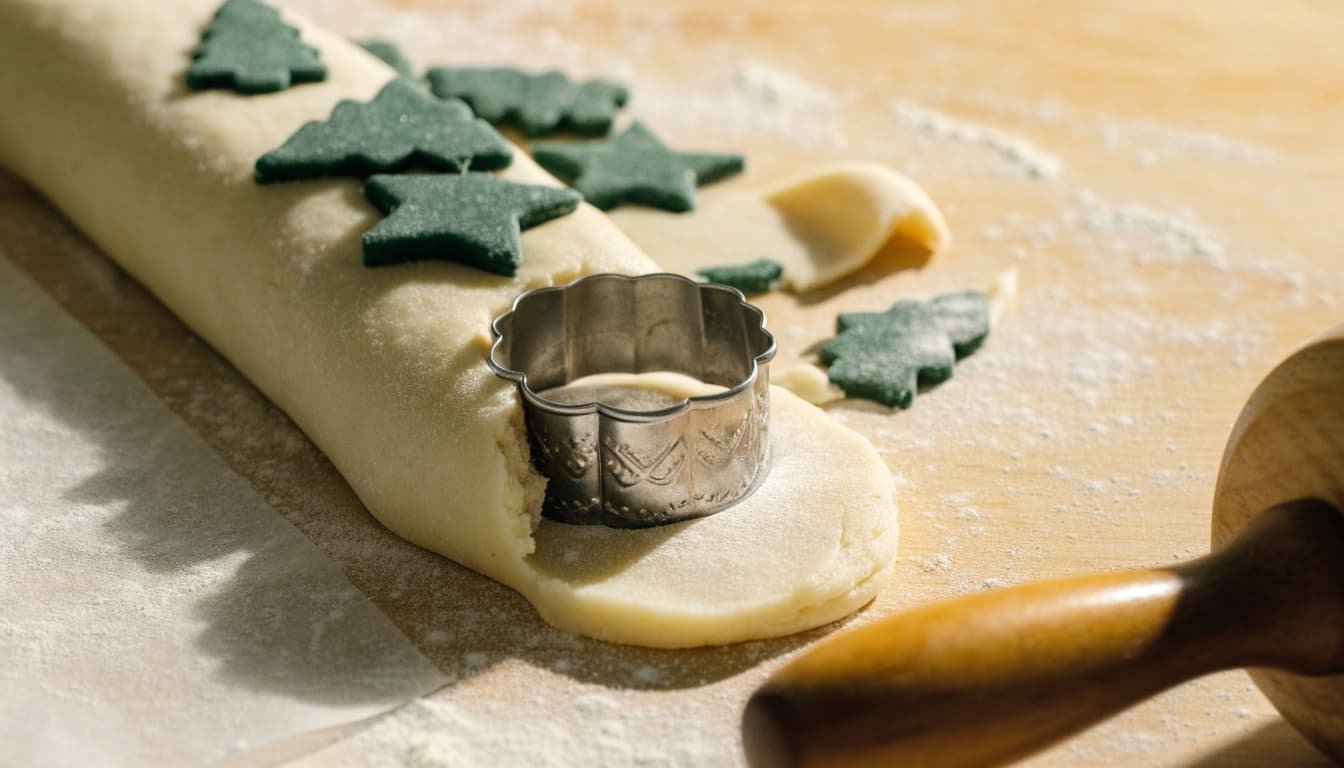
Heat the oven to 350°F and line baking sheets with parchment. Roll one disc at a time to about ⅛ inch thick on a lightly floured surface.
Cut shapes with cutters about 2 inches wide, then arrange them ½ inch apart. Chill scraps for 10 minutes before rerolling.
Bake until lightly browned, then cool completely
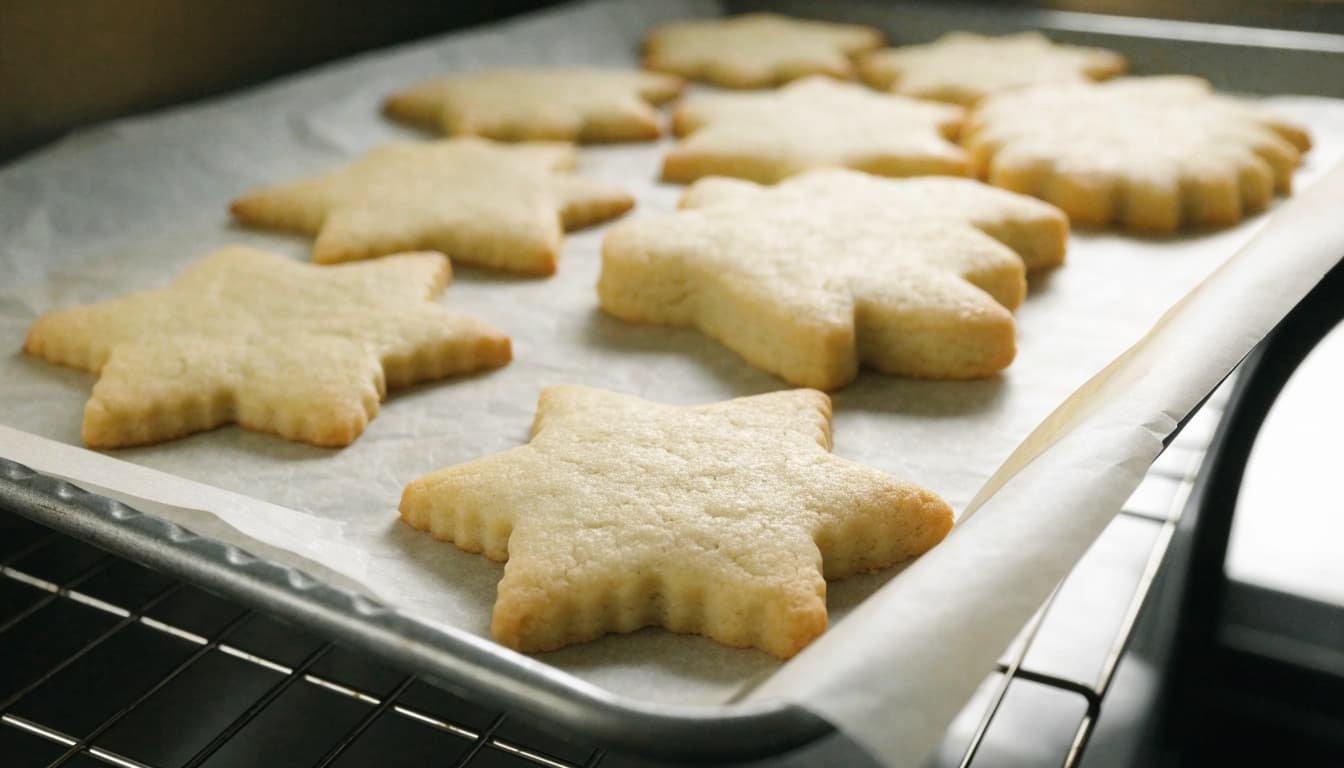
Bake for about 12 to 14 minutes, watching for lightly browned edges. Cutter size, thickness, and your oven can change the timing.
Let the cookies cool completely on the baking sheets before moving or decorating them. Warm cutouts are more fragile.
Get neat cutouts with these beginner baking tips
When you’re making gingerbread cookies without molasses, dough temperature and even rolling matter more than elaborate tools. A little attention before baking helps prevent torn shapes and uneven browning.
Keep the dough cool and use only a little extra flour
Leave the second dough disc in the refrigerator while you work with the first. If the rolled dough becomes limp or difficult to lift, pause and refrigerate it until firmer.
Dust the surface and rolling pin lightly, then brush away loose flour before cutting. Working flour into every batch of scraps can leave the last cookies noticeably drier than the first.
Press cutters straight down and lift them cleanly. A thin spatula can help move delicate shapes without stretching their points.
Use thickness and doneness cues for the texture you want
Roll evenly so one side of a cookie doesn’t brown before the other. Group similar shapes on the same tray, since small stars may finish before larger gingerbread people.
The recipe’s ⅛-inch thickness gives you relatively crisp cutouts. If you roll thicker cookies for a softer result, expect the baking time to change.
Watch near the end rather than waiting for a deep brown color. These cookies stay lighter than molasses gingerbread, so darkening the whole surface can leave them overbaked.
Decorate, serve, and store your gingerbread cookies
Wait until the cookies are completely cool before adding icing. Even slight warmth can thin the icing and make decorations slide.
Add simple icing and Christmas decorations
Stir powdered sugar with a little water until the icing falls slowly from a spoon. Add liquid gradually; a thick mixture is easier to control than a runny glaze.
Use a spoon for drizzles or a small food-safe bag with a corner snipped off for simple lines. Add colored sugar or sprinkles while the icing is still wet so they stick.
You can leave some cookies plain if you prefer less sweetness. Serve them with coffee, tea, or warm milk, or add our pumpkin snickerdoodle cookies with creamy icing to a mixed cookie plate.
Let the icing set before storing or sharing
Leave decorated cookies in a single layer until the icing is dry to the touch. Drying time depends on the icing’s thickness, so test one before stacking the batch.
Store the cookies in an airtight container at room temperature, with parchment between decorated layers. Anna Olson’s recipe gives an airtight storage time of one week.
For gifts, choose a container that keeps the cookies from shifting around. Plain cookies can also be frozen, then thawed before decorating if you want to finish them later.
Frequently Asked Questions
Can I use honey instead of maple syrup?
Honey works in some gingerbread recipes, but it changes the sweetness and flavor. Use a recipe written for honey rather than assuming a direct swap in this maple formula. Keeping the specified syrup also keeps the dough consistent with these directions.
Can I make the dough ahead of time?
Yes, you can prepare the dough before you plan to bake it. Keep the discs wrapped and refrigerated so the surfaces don’t dry out. If the dough becomes too firm, let it soften only enough to roll without cracking.
Why did my cookies spread or lose their shape?
Warm dough, overly soft butter, or a warm baking sheet can contribute to spreading. Chill the cutouts briefly before baking if they have softened while you worked. Use a cool, parchment-lined pan for each batch rather than placing fresh dough on a hot sheet.
Can I freeze the baked cookies?
Yes, freeze plain cookies once they’re completely cool. Place parchment between layers in a well-sealed freezer-safe container to protect the shapes. Let the cookies thaw before adding icing or sprinkles, and avoid packing them while they’re still damp with condensation.
Enjoy a Lighter Christmas Gingerbread Cookie
Maple syrup and brown sugar give these gingerbread cookies without molasses a lighter color and a gentler flavor. Keep the dough cool and watch the edges for light browning rather than waiting for a dark finish.
Bake one tray at a time while you learn how your oven handles the shapes. Once the cookies have cooled, gather the family for simple icing and sprinkles, or enjoy a few plain with something warm to drink.
Save the pin for later


I’m the creator of My Everyday Dish, a food blog focused on easy homemade recipes, comforting family meals, simple baking, and seasonal food ideas. I love finding practical ways to make everyday cooking less stressful and more enjoyable. Here, I share recipes with simple ingredients, clear instructions, and plenty of flavor, helping you make delicious meals and treats you’ll feel confident serving at home.
Leave a Reply