
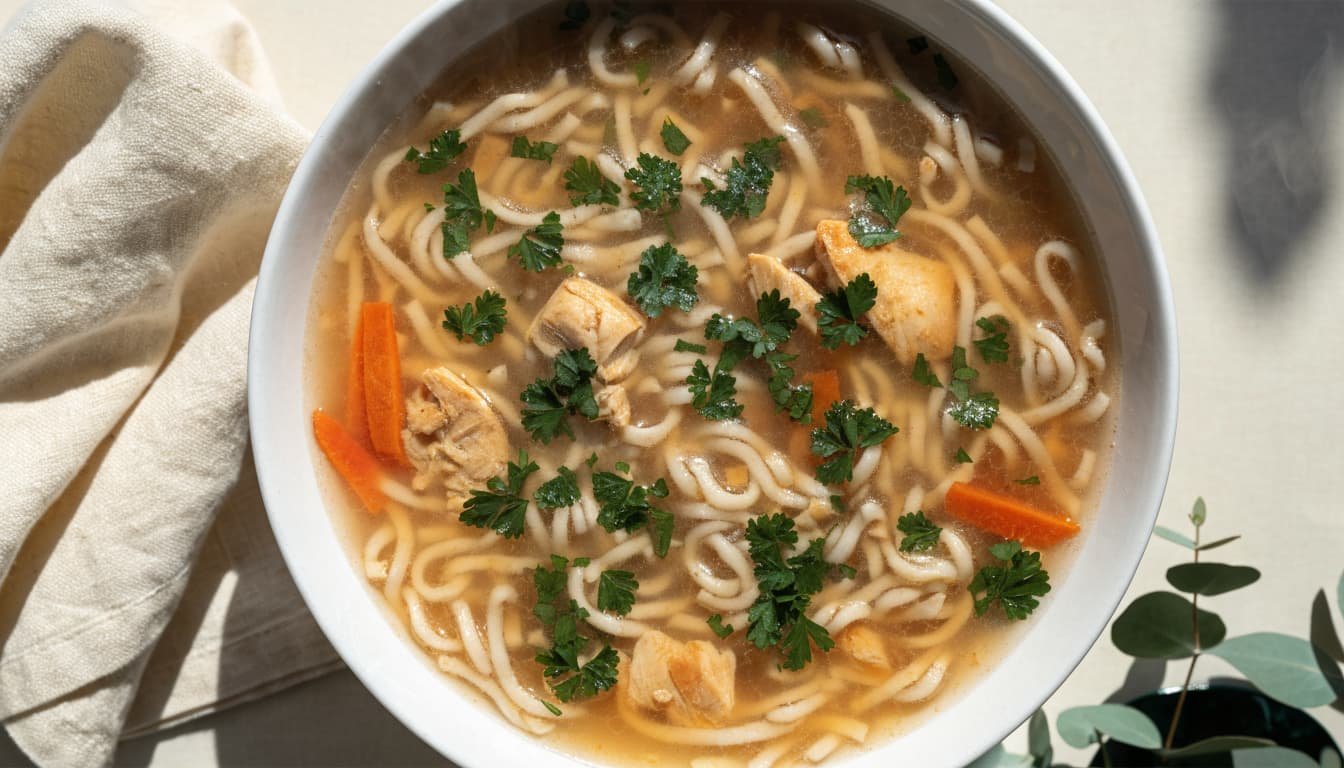
Fresh egg noodles bring a soft, comforting texture to Christmas dinner without needing a long ingredient list. You can serve homemade noodles with butter and herbs, spoon them beside a roast, or add them to a warm soup.
The dough is manageable with a rolling pin, and freezing the cut noodles leaves less work for the holiday itself. Start with the measured ingredients below, then follow the mixing, rolling, cooking, and storage steps.
Festive Homemade Noodles for Christmas Dinner and Holiday Meals
Homemade egg noodles have a tender bite and mild flavor that fit around the meal you’re already planning. Their slightly uneven edges are welcome, so you don’t need matching strands or special equipment.
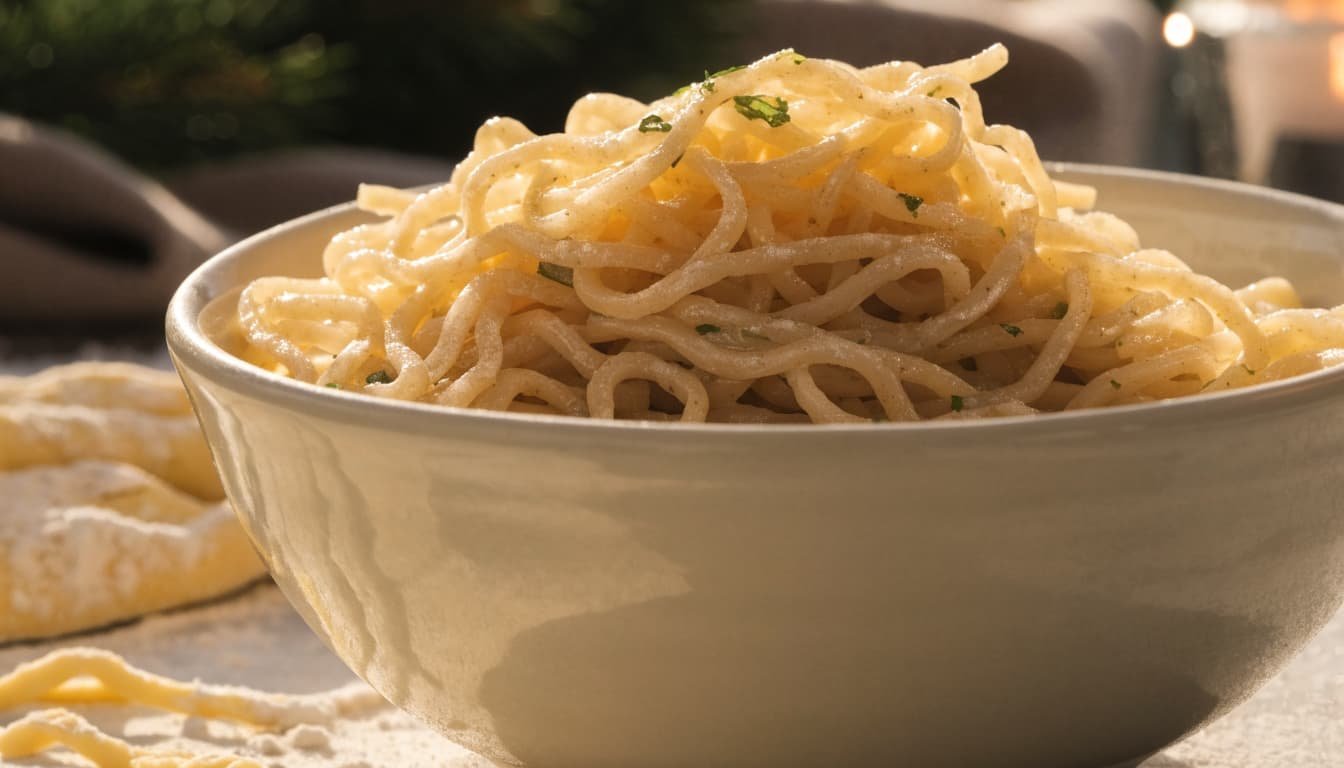
Keep them plain when your main dish has a rich sauce, or finish them with herbs when the plate needs freshness. You can also cook a smaller portion in broth for a light first course.
These are practical serving ideas for a holiday meal, rather than a recipe tied to a particular Christmas custom. Choose the preparation that suits your table, and plan to cook the noodles near serving time.
Read also: Easy Homemade Christmas Potpourri in a Jar Recipe
Choose Simple Ingredients for Tender Homemade Egg Noodles
This version follows the ingredient quantities and basic method in Tastes Better from Scratch’s egg noodle recipe.
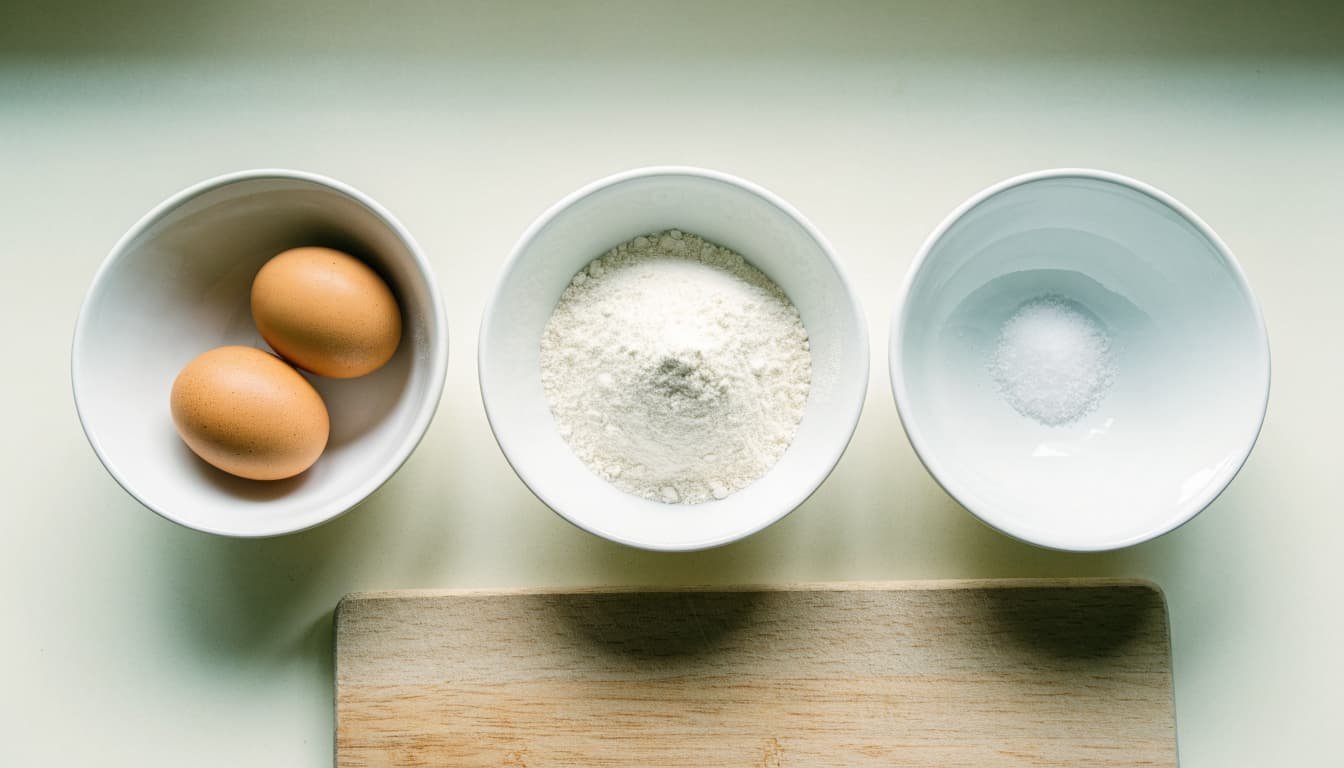
- 2 large eggs.
- ¾ teaspoon salt.
- 2 tablespoons milk.
- 1½ cups all-purpose flour, 180 grams, plus up to ½ cup, 60 grams, more as needed.
No water is called for in the base recipe. Keep additional flour nearby for kneading and lightly dusting the counter.
What the Flour and Eggs Do for the Dough
Flour gives the noodles structure, while eggs add richness and bind the dough. Milk supplies a little extra moisture.
The recipe allows 180 to 240 grams of flour because absorption and measuring vary. That range belongs with the eggs, salt, and milk above; it isn’t a complete dough formula by itself. Add flour gradually instead of forcing the full amount into the dough.
Optional Seasonings for a Holiday-Ready Flavor
Keep the first batch plain if you want the most flexible pairing. Black pepper or a small amount of finely chopped parsley can add flavor without changing the basic preparation.
Dry washed herbs thoroughly before adding them. Wet herbs introduce extra moisture, which can leave the dough sticky and harder to cut.
Read also: 8 Easy Non-Alcoholic Christmas Cocktails for Festive Holiday Gatherings
How to Make Homemade Noodles Step by Step
Clear enough counter space to roll the dough without crowding it. Have a mixing bowl, fork, rolling pin, sharp knife or pizza cutter, and a lightly floured tray ready.
Mix, Knead, and Rest the Dough
Beat the eggs, milk, and salt together until smooth. Stir in 1 cup of the measured flour, then add more a small spoonful at a time. Stop when the mixture gathers into a ball that still feels slightly sticky.
Scrape the bowl as you mix so loose flour joins the dough. Avoid adding the remaining flour all at once, since a dry dough takes more effort to bring together.
Transfer the dough to a floured counter and flour your hands. Knead for 3 to 5 minutes, until the dough is workable and no longer sticky, then let it rest for 10 minutes.
Use only enough flour to prevent sticking. The finished dough should feel firm but pliable, without loose crumbs breaking away. The rest helps the dough relax, so it rolls more easily.
Roll the Dough Thin and Cut Even Strands
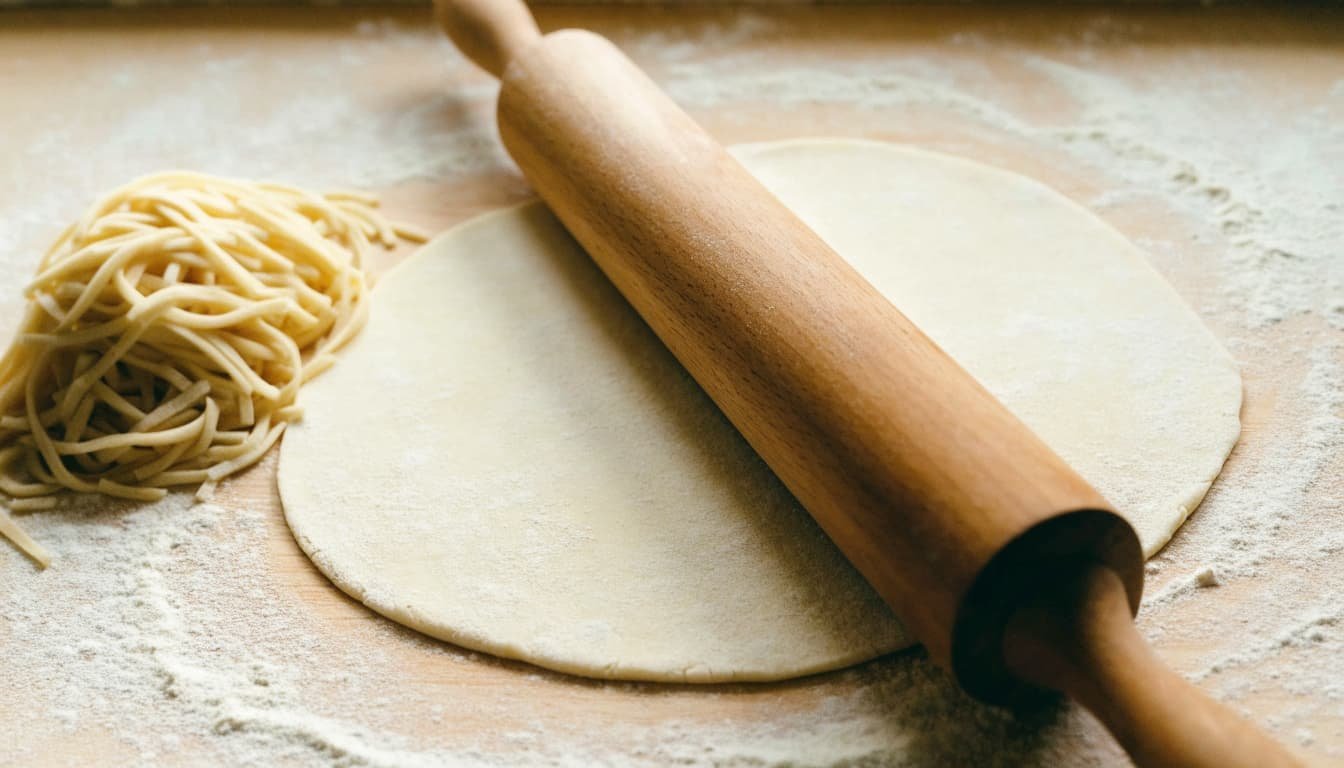
Divide the dough into manageable portions and lightly flour the work surface. Roll each portion very thin, turning it occasionally so it doesn’t attach to the counter.
The reference recipe describes the dough as paper-thin and less than ¼ inch thick. Aim toward paper-thin rather than stopping just below that upper limit. Thick dough makes heavier noodles and needs longer cooking.
Cut the dough into strands with a sharp knife or pizza cutter. Choose the width you prefer, then keep the cuts reasonably even so each batch cooks at a similar rate.
Separate the strands gently and spread them across the floured tray. Leave them loose rather than pressing them into a pile, which can make the damp edges stick together.
Dry Briefly, Then Cook Until Tender
Let the separated noodles lose a little surface tackiness while you prepare the cooking water. This brief surface-drying helps with handling, but it doesn’t make the noodles suitable for cupboard storage.
You can cook them immediately if they separate easily. A long drying period isn’t needed for this recipe.
Bring a generous pot of water to a boil, then add the noodles and stir gently. Cook thin, freshly cut noodles for about 2 to 3 minutes, until tender to the bite.
Test a strand before draining. It should have no firm, floury center, though thicker pieces may need longer. Drain promptly and add your chosen butter, sauce, or savory juices.
Serve Holiday Egg Noodles as a Side or in Soup
Decide how you’ll serve the noodles before cooking them. Have the sauce or soup ready so they don’t sit drained while the rest of dinner finishes.
Pair Them With a Simple Sauce or Savory Juices
Toss hot noodles with a little butter, then add pepper and chopped parsley if you want. A light mushroom sauce or cooked pan juices also works, especially when the main dish supplies most of the flavor.
Taste before adding more salt because broth, sauces, and roasting juices may already contain plenty. Transfer the noodles to a warmed bowl and cover briefly, rather than leaving them over direct heat.
Add Noodles to a Warm Holiday Soup
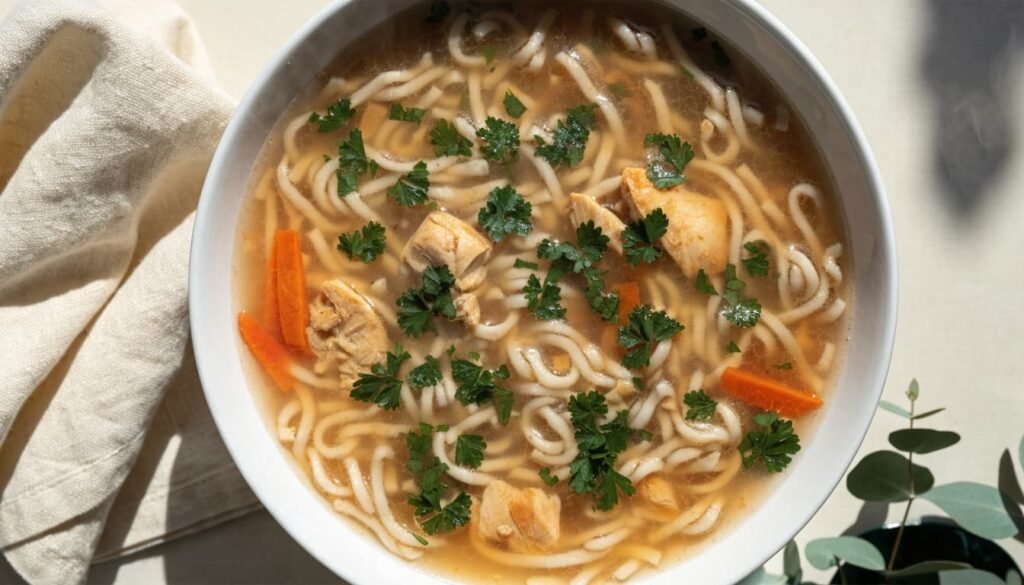
Add fresh noodles near the end, once the vegetables and meat are cooked. Keep the broth bubbling gently and test a strand for tenderness; thicker noodles take longer.
Our slow cooker chicken noodle soup offers a chicken-and-vegetable base. Finish homemade noodles in boiling broth rather than assuming they’ll need the same time as packaged noodles.
If you expect leftovers, cook the noodles separately and add them to individual bowls. This keeps them from absorbing the broth and becoming swollen during storage.
Make Homemade Noodles Ahead Without Sacrificing Safety
Make-ahead noodles save time when several dishes need attention. Choose refrigeration for a short wait or freezing for a longer one.
Refrigerate Fresh Noodles for a Few Days
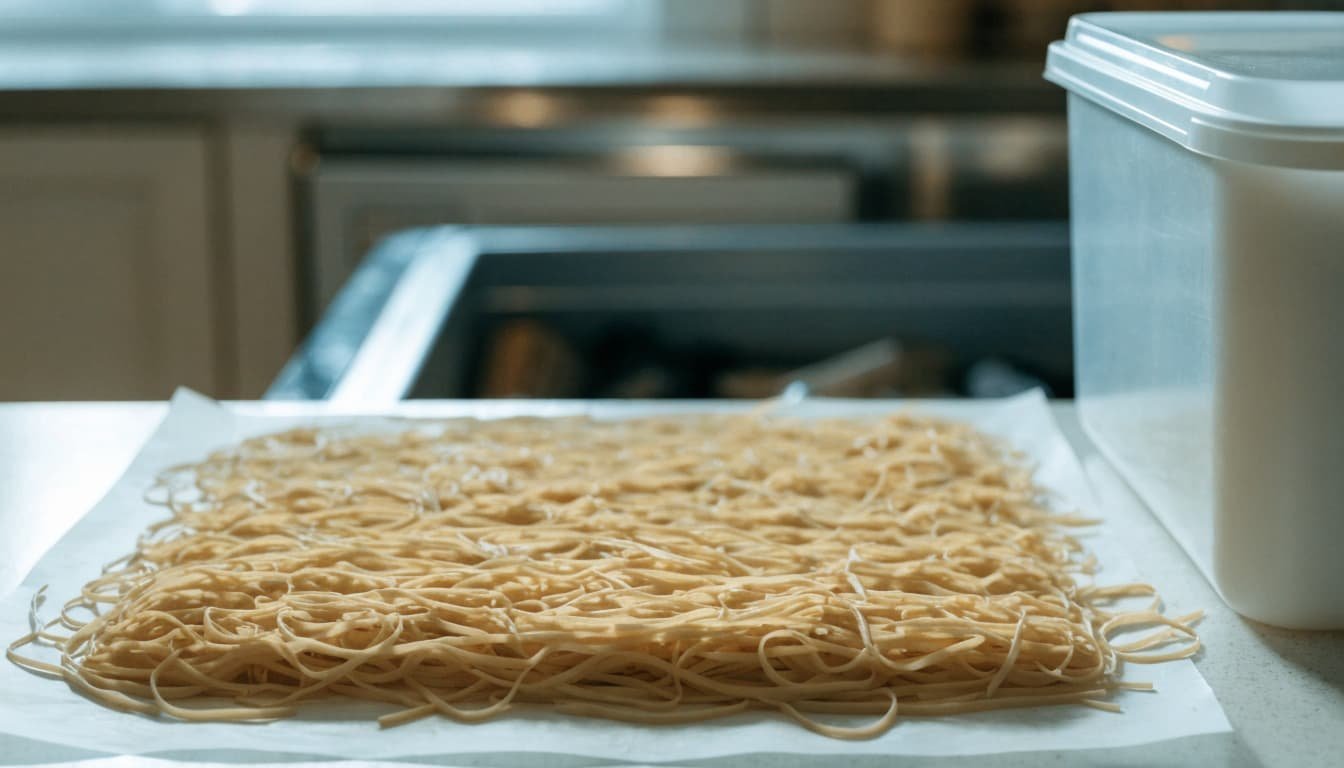
Place separated fresh noodles in a covered container and refrigerate promptly. Iowa State Extension’s noodle safety guidance allows refrigeration for up to three days.
Keep room-temperature drying under two hours, including the time spent handling the dough. Brief surface-drying only reduces stickiness; it doesn’t remove the need for cold storage.
Noodles that feel dry on the outside still contain raw flour and eggs. Don’t store homemade egg noodles in the pantry.
Freeze Noodles for a Longer Make-Ahead Window
Spread cut noodles in a single layer on a lined baking sheet and freeze until firm. Pack them into airtight freezer containers or bags, then label them with the date.
Use frozen noodles within 3 to 6 months for best quality. Add them straight to boiling water or soup without thawing, and judge doneness by tenderness rather than the fresh-noodle timing.
Keep Raw Dough and Tools Clean
Wash your hands after handling raw eggs and flour, then clean the counter, rolling pin, and cutting tools. Don’t taste uncooked dough, since both flour and eggs can carry harmful bacteria.
Keep noodle-making equipment separate from surfaces used for raw meat or poultry. Drying doesn’t kill those bacteria, so cook the noodles thoroughly before serving.
Frequently Asked Questions
Can I Make Homemade Noodles Without a Pasta Machine?
Yes, a rolling pin and lightly floured counter are enough. Work with small portions and roll evenly toward the recipe’s paper-thin target. Uneven patches cook at different rates.
Why Is My Noodle Dough Sticky or Crumbly?
Sticky dough usually needs a little more flour; add it gradually as you knead. If the dough stays crumbly and won’t gather, work in water a few drops at a time. Let each addition absorb before adding more.
Can I Add Herbs to Egg Noodle Dough?
Yes, though herbs mixed into the dough give a different result from herbs added after cooking. Chop them finely so larger pieces don’t catch during rolling. Start with a small amount, since too much can make cutting less tidy.
How Do I Keep Cooked Noodles From Sticking Together?
Use enough boiling liquid for the strands to move freely, and stir gently after adding them. Drain once tender, then toss with a little butter if you’re serving them as a side. Serve promptly rather than leaving plain noodles in the colander.
Bring Homemade Noodles to Your Holiday Table
Homemade noodles need a short ingredient list and a few careful steps. Keep the dough workable, roll it thin, and cook only until the strands are tender.
Follow the measured recipe, then choose a safe make-ahead option if you’re preparing them before dinner. Whether you serve them with butter or in broth, they’ll bring a soft, comforting addition to the meal you’ve planned.
Save the pin for later


I’m the creator of My Everyday Dish, a food blog focused on easy homemade recipes, comforting family meals, simple baking, and seasonal food ideas. I love finding practical ways to make everyday cooking less stressful and more enjoyable. Here, I share recipes with simple ingredients, clear instructions, and plenty of flavor, helping you make delicious meals and treats you’ll feel confident serving at home.
Leave a Reply