
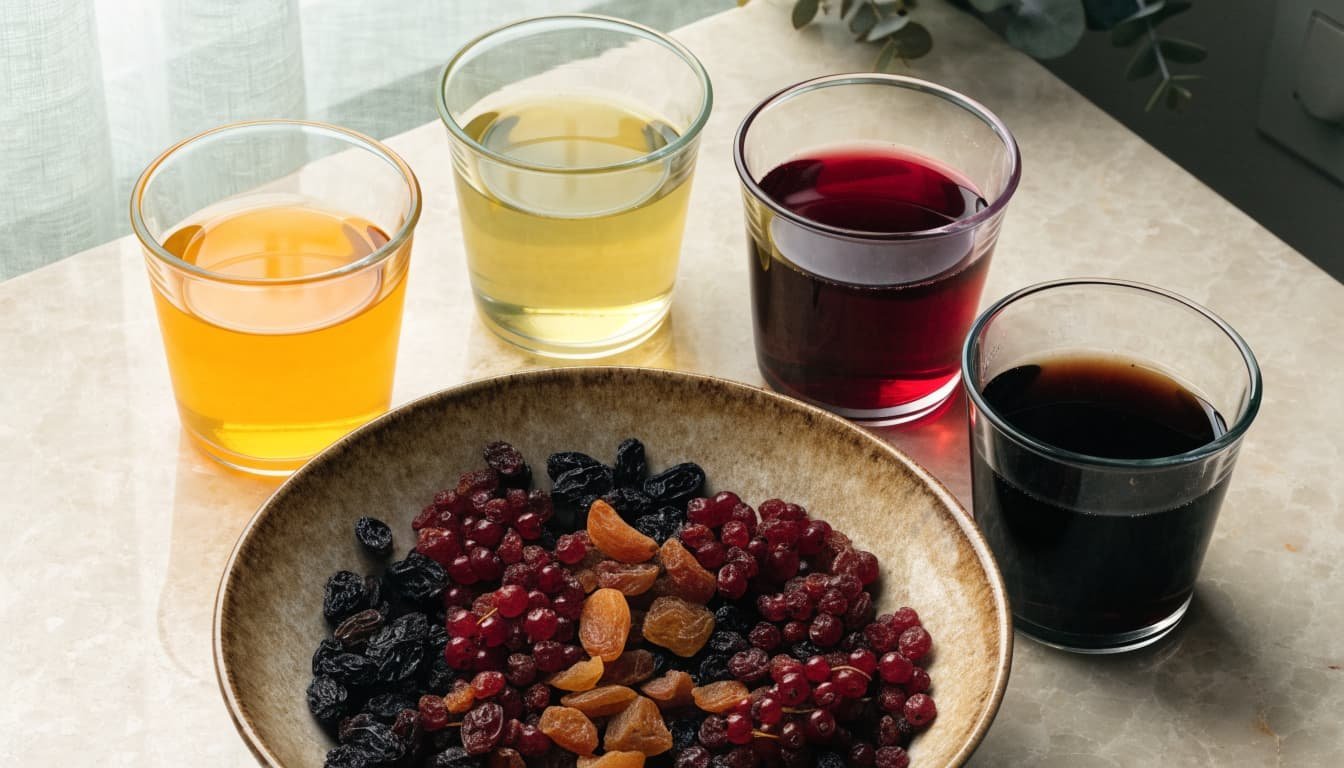
A rich, spiced Christmas cake can bring the whole family to the table without a drop of alcohol. These eight family-friendly recipes offer classic fruitcake flavors alongside bright cranberry and orange, a vegan option, and an easy-to-slice loaf.
Fruit juice or cooled tea can soften dried fruit and add flavor, so you can choose a soak that suits your cake. As you plan your holiday menu, pair a slice with another easy holiday dessert. First, find the cake that fits your gathering.
Traditional Christmas Cake Recipes Without Alcohol for Family Gatherings
These eight cakes keep the warm spices and fruit-filled slices of Christmas baking, with juice or tea in place of alcohol. Each recipe makes one cake, so choose a pan and bake time that suit your gathering.
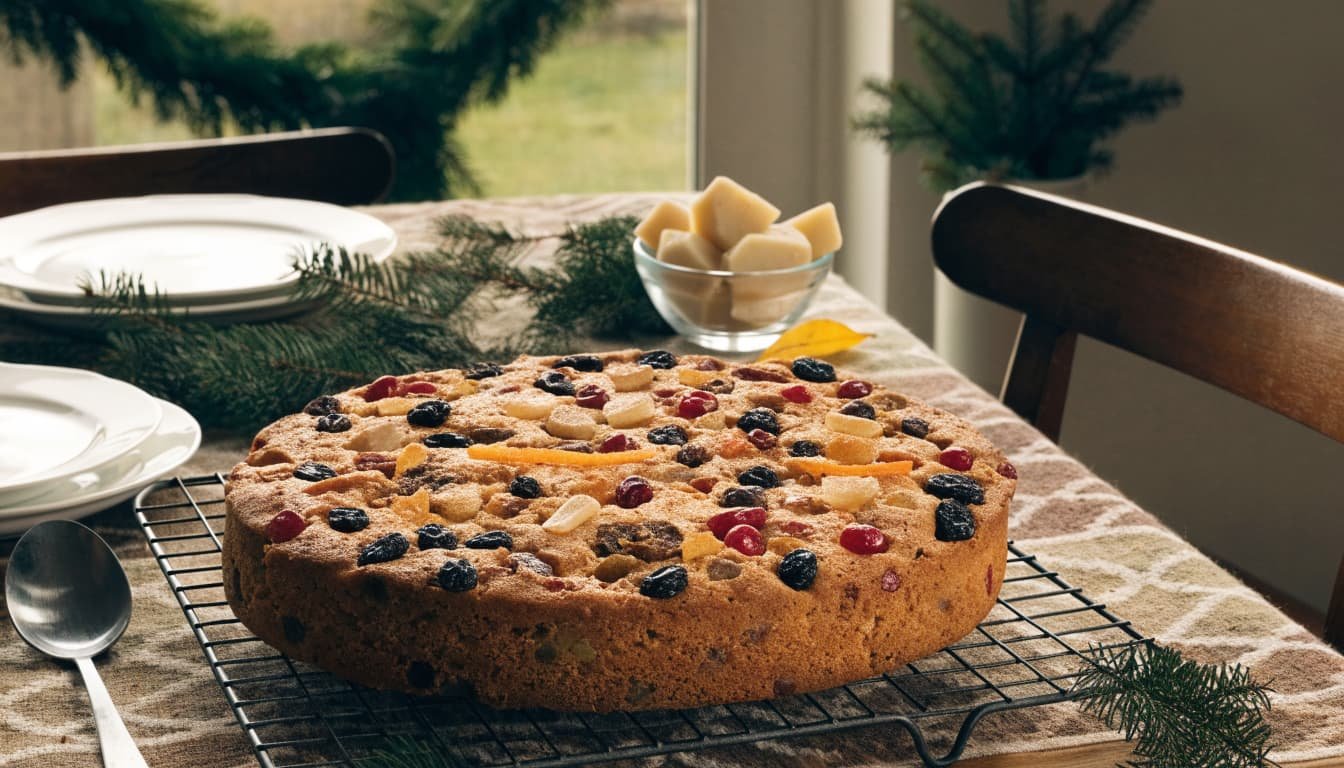
1. Classic British Christmas Fruitcake
Ingredients: 2 cups mixed dried fruit, ½ cup candied peel, ½ cup orange juice, ½ cup butter, ½ cup brown sugar, 2 eggs, 1 cup flour, 1 teaspoon mixed spice.
- Soak the fruit and peel in orange juice for at least 2 hours or overnight. Line an 8-inch deep round pan with parchment. Heat the oven to 300°F.
- Cream butter and sugar, beat in eggs, then fold in flour and spice. Stir in the fruit. Bake 2 to 2½ hours, until a skewer comes out clean. Cool fully before adding optional marzipan and icing.
Read also: 15 Delicious Soup Recipes for Christmas Eve
2. Easy Boiled Fruit Christmas Cake
Ingredients: 2 cups dried fruit, ½ cup butter, ½ cup brown sugar, ¾ cup apple juice, 2 eggs, 1½ cups flour, 1 teaspoon cinnamon.
- Heat the oven to 325°F and line an 8-inch round pan or 9-by-5-inch loaf pan. Simmer fruit, butter, sugar, and juice for 10 minutes; cool completely.
- Beat in eggs, then fold in flour and cinnamon. Bake 60 to 75 minutes in a round pan or 50 to 65 minutes in a loaf pan. A toothpick inserted in the center should come out clean.
3. Orange and Cranberry Christmas Cake
Ingredients: 1 cup dried cranberries, 1 cup raisins, ½ cup orange juice, zest of 1 orange, ½ cup butter, ½ cup sugar, 2 eggs, 1½ cups flour, 1 teaspoon cinnamon.
- Soak cranberries and raisins in juice for 1 hour. Heat the oven to 325°F and line an 8-inch round pan.
- Cream butter and sugar, beat in eggs and orange zest, then fold in flour, cinnamon, and softened fruit. Bake 60 to 75 minutes, until a toothpick in the center comes out clean. Brush with a little orange juice for an optional light glaze.
4. Apple Juice-Soaked Spiced Fruitcake
Ingredients: 2 cups raisins, currants, dates, or chopped apricots, ½ cup apple juice, ½ cup butter, ½ cup brown sugar, 2 eggs, 1½ cups flour, ½ teaspoon each cinnamon and nutmeg, pinch of clove.
- Soak fruit in apple juice for 2 hours or overnight. Drain any excess liquid; the fruit should be moist, not swimming. Heat the oven to 325°F and line an 8-inch round pan.
- Cream butter and sugar, beat in eggs, then fold in flour, spices, and fruit. Bake 60 to 75 minutes. Cool in the pan for 15 minutes, then transfer to a rack and cool completely.
5. Black Tea Christmas Fruitcake
Ingredients: 2 cups mixed dried fruit, 1 cup strong black tea, ½ cup butter, ½ cup brown sugar, 2 eggs, 1½ cups flour, 1 teaspoon mixed spice.
- Brew strong tea and cool it. Soak fruit for 2 hours or overnight, then drain excess tea. Heat the oven to 325°F and line an 8-inch round pan.
- Cream butter and sugar, beat in eggs, then fold in flour, spice, and fruit. Bake 60 to 75 minutes, until a toothpick comes out clean. The tea adds gentle depth without making the cake taste strongly of tea.
6. Vegan Christmas Cake with Dried Fruit
Ingredients: 2 cups dried fruit, ½ cup orange juice or cooled tea, ½ cup dairy-free butter, ½ cup brown sugar, ½ cup unsweetened applesauce, 1½ cups flour, 1 teaspoon cinnamon.
- Soak fruit in juice or tea for at least 2 hours. Heat the oven to 325°F and line an 8-inch round pan.
- Beat dairy-free butter and sugar, mix in applesauce, then fold in flour, cinnamon, and fruit. Bake 60 to 75 minutes, until a toothpick comes out clean. Vegan ingredients aren’t automatically allergen-free; check labels for wheat, soy, nuts, and other guest-specific allergens. The FDA offers food allergy labeling guidance.
7. Marzipan-Topped Christmas Cake
Ingredients: 2 cups mixed dried fruit, ½ cup orange juice, ½ cup butter, ½ cup brown sugar, 2 eggs, 1½ cups flour, 1 teaspoon mixed spice, 8 ounces marzipan.
- Soak fruit in juice for 2 hours. Heat the oven to 300°F and line an 8-inch deep round pan. Mix butter, sugar, eggs, flour, and spice, then fold in the fruit.
- Bake 2 to 2½ hours, until a skewer comes out clean. Cool completely before covering with rolled marzipan; add optional icing or a simple ribbon. Marzipan contains almond, a tree-nut allergen, so leave it off when needed.
Read also: 8 Easy Gluten-Free Christmas Cookie Recipes for Beginners
8. Festive Spiced Christmas Fruit Loaf
Ingredients: 1½ cups mixed dried fruit, ½ cup orange or apple juice, ½ cup butter, ½ cup brown sugar, 2 eggs, 1½ cups flour, 1 teaspoon mixed spice.
- Soak fruit in juice for 1 hour. Heat the oven to 325°F and line a 9-by-5-inch loaf pan.
- Cream butter and sugar, beat in eggs, then fold in flour, spice, and fruit. Bake 50 to 65 minutes, checking the center with a toothpick. Loaves may finish sooner than deep cakes, so use the doneness cue. Cool fully before slicing.
Choose the Right Alcohol-Free Fruit Soak for Your Cake
The soaking liquid changes more than the texture of dried fruit. It also shapes the cake’s flavor, so choose one that complements its spices and fruit. Orange and apple juice work well in classic Christmas cakes, while cranberry juice and black tea offer a more distinctive taste.
Compare juice and tea by flavor
Orange juice brings a bright citrus note that pairs naturally with candied peel, cinnamon, and mixed dried fruit. Choose it when you want a familiar holiday flavor, or when orange zest is already in the batter.
Apple juice has a mild sweetness that lets the fruit and spices lead. It suits traditional fruitcakes, especially those with raisins, currants, or dates. Since some apple juice is sweeter than others, avoid adding extra sugar to the soak.
Cranberry juice gives the cake a tart, fruity edge and works especially well with dried cranberries and orange zest. For a less sweet result, choose unsweetened juice or dilute a sweetened variety with a little water.
Strong black tea adds a gentle, earthy depth without making the cake taste strongly of tea. It’s a good option when you want a less fruity soak or a fuller flavor with raisins and warm spices. Brew it strong, then let it cool before adding the dried fruit.
Decide between an overnight soak and a quick one
An overnight soak works well when the dried fruit is firm, large, or especially dry. It gives pieces such as dates and apricots more time to soften and absorb flavor. Cover the bowl and refrigerate it while the fruit soaks, then bring it to the recipe’s instructions before mixing the batter.
When you’re short on time, smaller pieces may soften in a shorter soak. For a quicker method, gently warm the fruit with its juice or tea, then let it cool before adding it to the batter. Heating can speed softening, but follow your recipe’s method, especially if it calls for simmering the fruit.
Drain the fruit before mixing
After soaking, check the bowl for liquid pooled around the fruit. Drain the excess so the batter doesn’t become too wet, which can affect the cake’s texture and baking time. The fruit should feel plump and moist, not saturated.
Juice-soaked fruit also doesn’t keep the way alcohol-preserved fruit can. Use the fruit in the cake soon after soaking, and don’t rely on juice to preserve it for weeks. Follow the recipe’s storage directions for the finished cake, since an alcohol-free version has different keeping qualities from one made with alcohol.
Bake, decorate, and serve a cake that suits your gathering
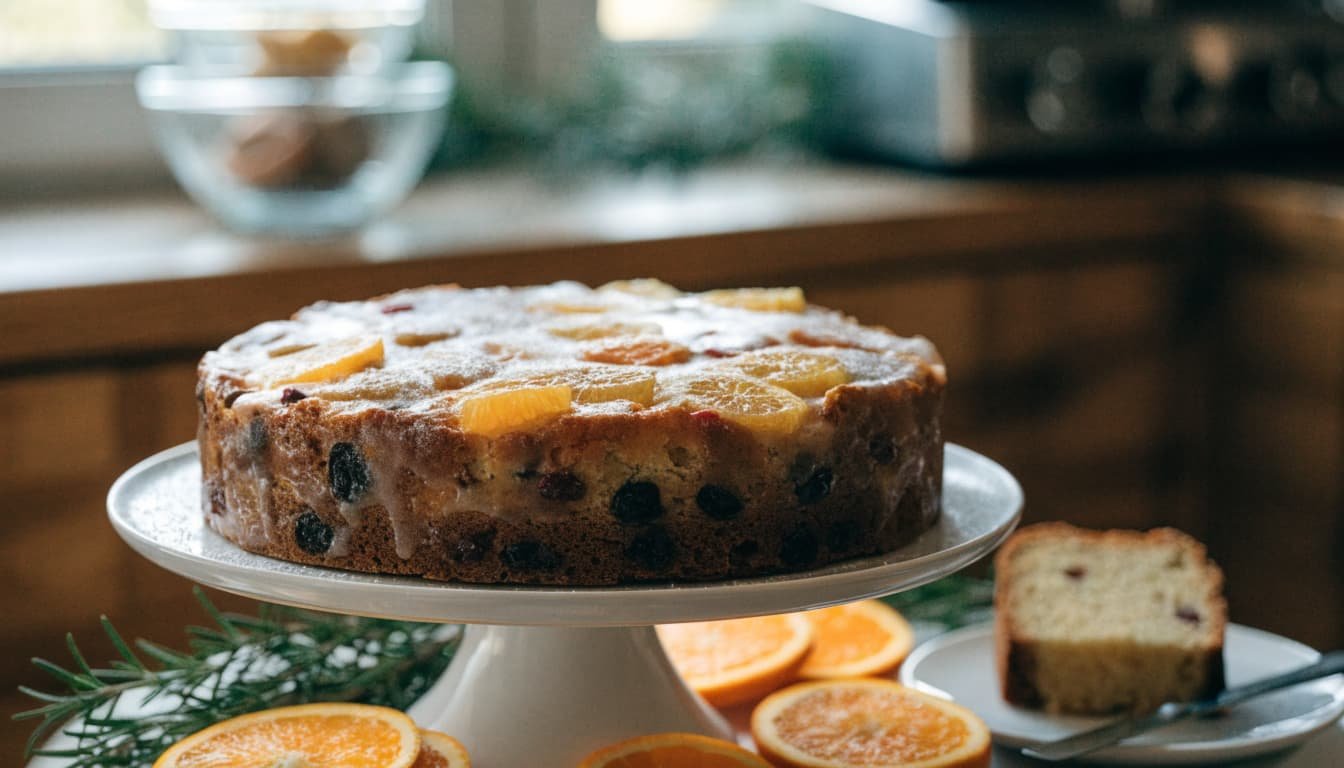
The best Christmas cake for your table is one that fits your guest list, schedule, and serving style. A deep, traditional fruitcake makes a festive centerpiece, while a loaf is easier to slice and share at a casual family meal.
Match the recipe and pan to your gathering
For a sit-down holiday meal, choose a round cake that you can decorate and cut into neat wedges. If guests will be grazing from a dessert table, a fruit loaf is simpler to portion and serve. You can also bake a recipe in smaller pans, but check them early because less batter usually needs less time in the oven.
Pan depth matters, too. A deep cake takes longer to bake through than a shallow cake or loaf, so follow the recipe’s pan size and timing rather than swapping pans without adjustments. Dense fruitcake benefits from low, steady heat, which gives the center time to cook before the outside gets too dark. If the top browns too quickly, loosely cover it with foil while the center finishes.
To check doneness, insert a skewer or toothpick into the center. It should come out clean or with a few moist crumbs, not wet batter. Because fruit can cling to the tester, check a second spot if the first result is unclear.
Decorate simply, then plan the serving
A fruit-filled cake already looks festive, so a light finish often works best. Dust the cooled cake with powdered sugar, brush it with a thin citrus glaze, or add simple icing. For a more traditional look, cover the cake with marzipan before icing it. Let the cake cool completely first, or the topping may soften and slide.
is a fun companion for a holiday dessert spread, especially when kids are helping with the sweets. For easy serving, place the cake on a sturdy platter and use a sharp, serrated knife. Cut smaller slices for a rich fruitcake, and keep a small spatula nearby to lift each piece cleanly.
If you’re serving the cake alongside other treats, set it out close to dessert time rather than leaving it on the table for hours. Keep any remaining slices covered and follow the recipe’s storage directions. Alcohol-free fruitcakes don’t have alcohol to help preserve them, so avoid treating them like long-keeping traditional cakes.
Make allergy information clear for every guest
Before baking, check ingredient labels for common allergens such as wheat, eggs, milk, and nuts. Marzipan contains almond, and decorations or packaged dried fruit may include additional ingredients. A vegan cake can still contain wheat, soy, or nuts, so the recipe label alone doesn’t tell the whole story.
When guests have food allergies, ask what they need and share the full ingredient list. Also use clean bowls, utensils, pans, and serving tools, and keep the cake separate from desserts that contain allergens. The Food Allergy Research & Education guide to avoiding cross-contact explains how allergens can transfer between foods through shared surfaces and utensils. A clear label beside the cake helps guests choose safely.
Make-Ahead and Storage Tips for Alcohol-Free Christmas Cake
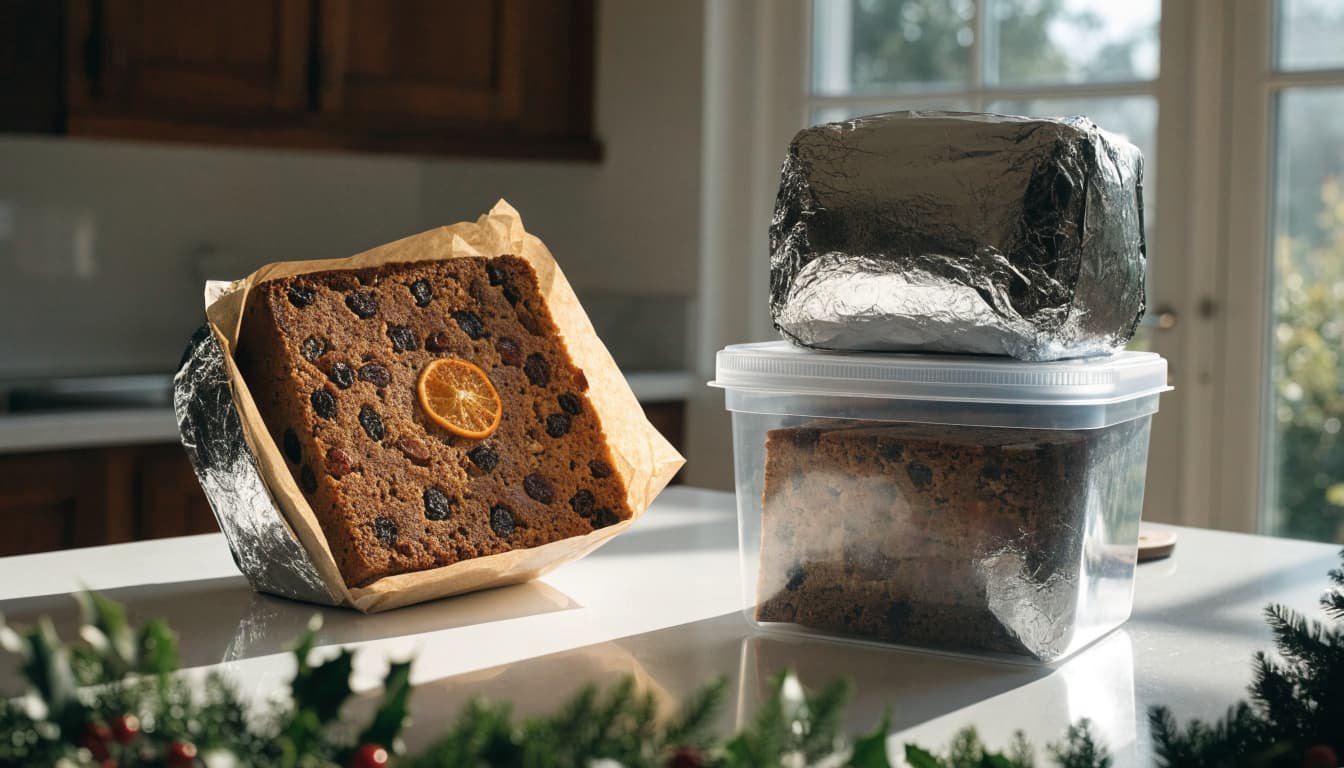
An alcohol-free Christmas cake is easy to prepare ahead, but it won’t keep as long as a cake preserved with alcohol. Plan on refrigerating it or freezing it, rather than leaving it in the pantry for weeks. Cool the cake completely before wrapping, since trapped warmth can create condensation and soften the surface.
Cool, wrap, and refrigerate
Once the cake has cooled fully, wrap it snugly in plastic wrap or parchment, then add a layer of foil or place it in an airtight container. The extra covering helps limit drying and keeps the cake from picking up refrigerator odors. Store it in the refrigerator, especially if the recipe includes a moist glaze or topping.
Alcohol-free fruitcake shelf life depends on the recipe, moisture, and how it’s handled, so avoid treating any exact number of days as a guarantee. As a cautious guide, make it only a few days ahead and serve it within several days, following the recipe’s storage directions. For guidance on handling foods that need refrigeration, see the USDA’s food-safety storage basics. If you’re preparing several desserts for a gathering, these make-ahead dessert storage tips offer more ideas for keeping treats covered and chilled.
Freeze the cake for an earlier start
Freezing works well when you want to bake well ahead of the holiday. After the cake cools, wrap it tightly in plastic wrap, then foil, and place it in a freezer-safe bag or container. Freeze the cake whole for a centerpiece, or cut it into portions first for easier serving. For the best texture, freeze it before adding decorations or toppings that may soften.
To thaw, leave the cake wrapped and place it in the refrigerator overnight, or let it thaw at room temperature while still wrapped. Keeping the wrapping on as it thaws helps the cake retain moisture and reduces condensation on its surface. Once thawed, unwrap it shortly before serving and add any fresh icing or decoration.
Plan a simple serving routine
For a family gathering, thaw and refrigerate the cake in advance, then bring it out close to dessert time. Set it on a covered platter and slice only what you expect to serve; this keeps the remaining cake protected between servings. A serrated knife works well for dense fruitcake, and smaller slices are often plenty after a holiday meal.
If the cake has a perishable topping, keep it chilled until serving and return leftovers to the refrigerator promptly. Store remaining plain cake tightly covered, and use the recipe’s guidance for any decorated version. A simple plan, bake or thaw ahead, keep the cake wrapped and cold, then slice at dessert time, makes sharing it easier without relying on alcohol for preservation.
Frequently Asked Questions
A few small choices can make alcohol-free Christmas cake easier to plan, bake, and serve. Use these answers to adjust the fruit soak, timing, or ingredients to suit your family.
What can I use instead of brandy in Christmas cake?
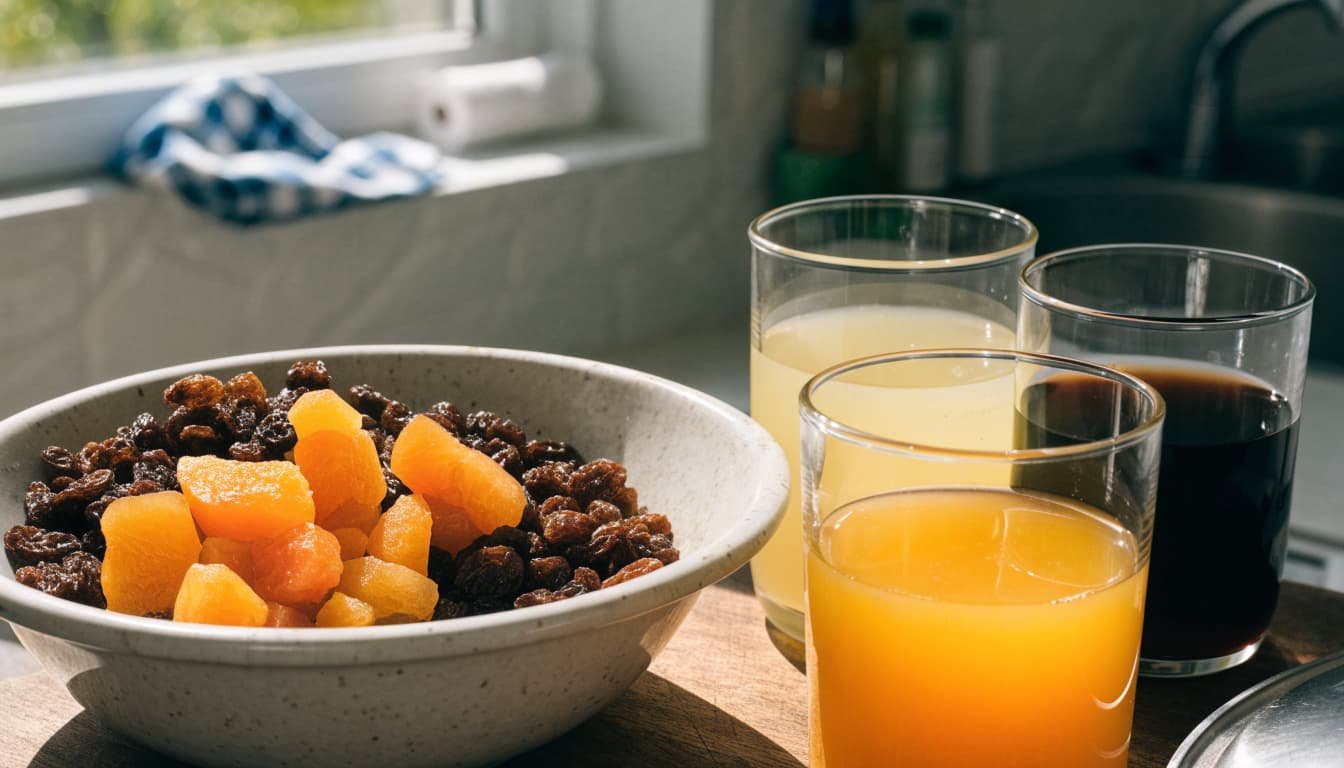
Orange juice adds a bright citrus note, while apple juice gives the fruit a milder sweetness. Cooled black tea brings a deeper, less fruity flavor that pairs well with warm spices. Choose based on the taste you want, and use the amount of liquid specified in your recipe.
How long should dried fruit soak for an alcohol-free cake?
Soak the fruit for a few hours, or leave it overnight if you have time. A longer soak can help larger or firmer pieces soften, but the fruit should be moist rather than sitting in excess liquid when you mix the batter. For a quicker method, some recipes gently heat the fruit with juice or tea, then cool it before adding it.
Can I make an alcohol-free Christmas cake ahead of time?
Yes, you can bake it ahead, but plan to refrigerate it because juice doesn’t preserve cake like alcohol does. Let the cake cool completely, wrap it well, and follow your recipe’s storage directions rather than leaving it at room temperature for an extended period. If you need more time, freezing is a better option.
How do I know when a fruitcake is fully baked?
Insert a skewer or toothpick into the center; it should come out without wet batter, though a few moist crumbs may cling to it. The top should look set rather than wet or wobbly. Since pan size and recipe affect baking time, start checking near the earliest time listed in the recipe.
Can I make these Christmas cakes without nuts?
Often, yes. Leave the nuts out or replace them with extra dried fruit, keeping in mind that this may slightly change the cake’s texture. If someone has a nut allergy, check every ingredient label and prevent cross-contact by using clean equipment and keeping the cake separate from foods that contain nuts.
Can I freeze an alcohol-free Christmas cake?
Cool the cake completely, wrap it tightly, then place it in a freezer-safe container or bag. Thaw it while still wrapped to help retain moisture, and check your recipe before freezing decorated cakes because some toppings may soften or change texture. For general freezing guidance, see the USDA’s freezing and food safety recommendations.
Conclusion
Choose the Christmas cake that fits your schedule, the flavors your family enjoys, and the needs of your guests. Juice and tea add moisture and festive flavor without alcohol, making these cakes easy to share at a family gathering.
Bake a cake that feels right for your table, then enjoy a slice together.

I’m the creator of My Everyday Dish, a food blog focused on easy homemade recipes, comforting family meals, simple baking, and seasonal food ideas. I love finding practical ways to make everyday cooking less stressful and more enjoyable. Here, I share recipes with simple ingredients, clear instructions, and plenty of flavor, helping you make delicious meals and treats you’ll feel confident serving at home.
Leave a Reply