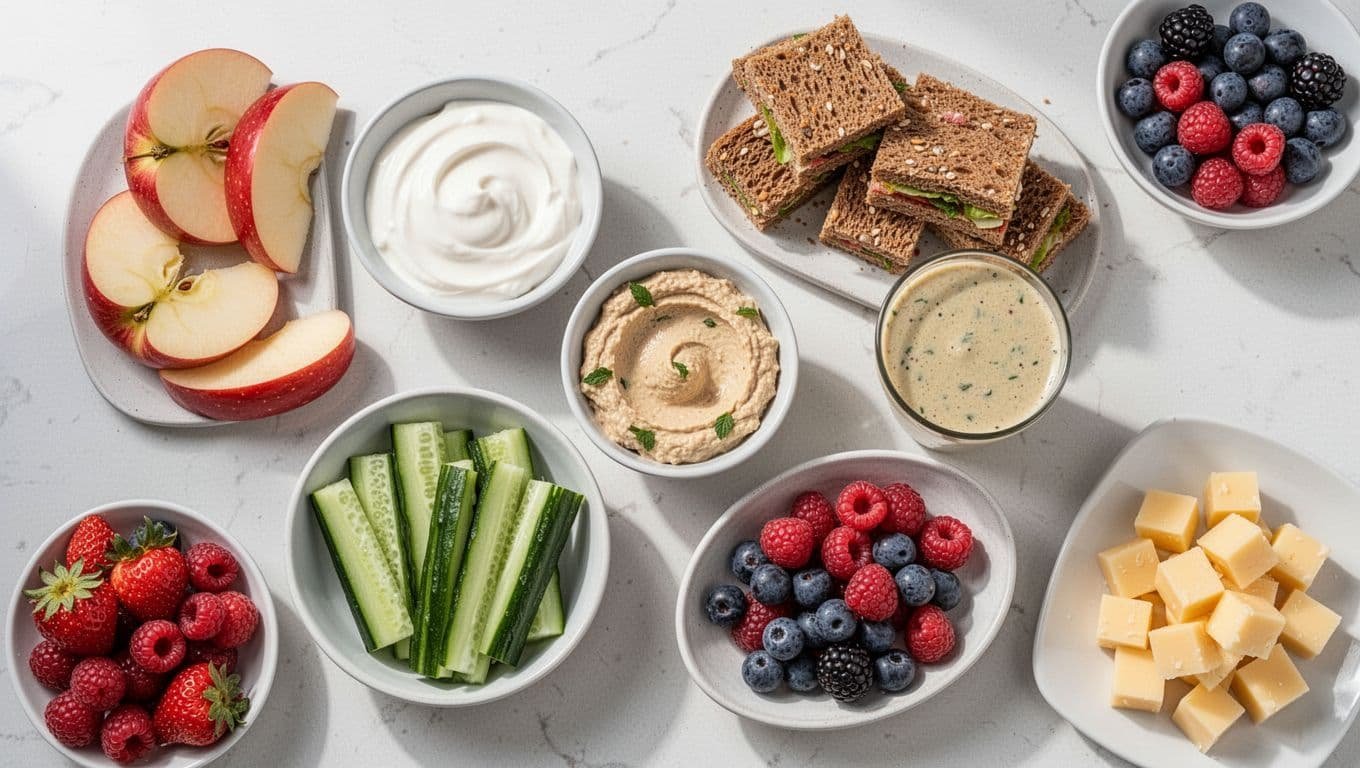
The after-school hunger is real, and a packaged snack doesn’t always keep kids satisfied until dinner. Homemade snacks can be quick, filling, and healthier than highly processed options when you pair simple ingredients such as fruit, vegetables, whole grains, yogurt, eggs, beans, or cheese.
You don’t need complicated recipes or a long grocery list to make something kids will enjoy. This collection includes 50 kid-friendly ideas with clear preparation steps, including sweet and savory snacks, portable choices for busy afternoons, make-ahead options, no-cook combinations, and allergy-aware swaps.
Keep in mind that ingredients such as nuts, dairy, eggs, wheat, soy, sesame, and fish may not suit every child, so check labels and follow your family’s food-safety needs.
From crisp apple snacks and creamy dips to warm bites and freezer-friendly treats, these recipes make it easier to offer variety without spending the whole afternoon in the kitchen. Start with these simple homemade after-school snacks.
How to Build a Healthy After-School Snack Kids Actually Enjoy
A satisfying after-school snack doesn’t need to be large or complicated. Use a simple formula: pair a fruit or vegetable with protein or dairy, then add a whole grain or healthy fat when your child needs more staying power.
For example, apple slices with yogurt, carrots with hummus, or whole-grain toast with mashed avocado can bridge the gap between school and dinner. This approach also gives kids different textures and flavors without turning snack time into another full meal.
Use a Simple Snack Formula
Start with one item from each category that fits your child’s appetite and preferences:
- Fruit or vegetables: Try berries, banana slices, pears, cucumbers, bell peppers, snap peas, or steamed edamame.
- Protein or dairy: Add plain yogurt, cheese, a hard-boiled egg, hummus, bean dip, or nut or seed butter when allowed.
- Whole grain or healthy fat: Include whole-grain crackers, toast, oats, popcorn, avocado, or a small amount of seeds.
You don’t need every category at every snack. A child who will eat yogurt with berries may not need crackers too. On a more active afternoon, whole-grain toast with cheese can provide a more filling combination.
Keep the snack small enough to support the next meal, rather than replace it. Children have different needs based on age, appetite, activity, and how much they ate at school, so avoid forcing one exact portion size. Offer a reasonable amount, then allow your child to tell you when they’re satisfied.
Keep Sugar, Salt, and Drinks in Check
Choose foods that taste naturally sweet, such as fruit, instead of relying on cookies, candy, or heavily sweetened bars. When buying yogurt, cereal, crackers, or packaged snacks, compare labels and choose options with less added sugar and sodium. The Dietary Guidelines for Americans also recommend choosing foods and drinks with limited added sugars and sodium.
Water should be the main drink with an after-school snack. Plain milk can also fit, depending on your child’s age and dietary needs, while soda, sports drinks, fruit drinks, and sweetened teas add sugar without making the snack more satisfying.
When possible, serve the snack about 1.5 to 2 hours before dinner. If dinner is later or your child has sports practice, offer a slightly more filling combination. If the meal is soon, fruit or vegetables with water may be enough.
Plan Around Allergies and School Rules
Always check your school’s rules before packing or sharing snacks. Some classrooms restrict peanuts, tree nuts, or other common allergens. Read every ingredient label, including labels on foods you have purchased before, because manufacturers can change recipes or processing information.
If peanut butter isn’t allowed, replace it with yogurt, cheese, hummus, bean dip, or an approved seed spread. For a child with a diagnosed allergy, follow the family’s medical plan and use only foods the caregiver or healthcare professional has approved.
50 Homemade Healthy After-School Snacks Kids Will Love
Each idea uses a short ingredient list, simple steps, and a practical serving or storage note. Adjust toppings for allergies, age, and texture preferences.
Fresh Fruit, Yogurt, and No-Cook Snacks
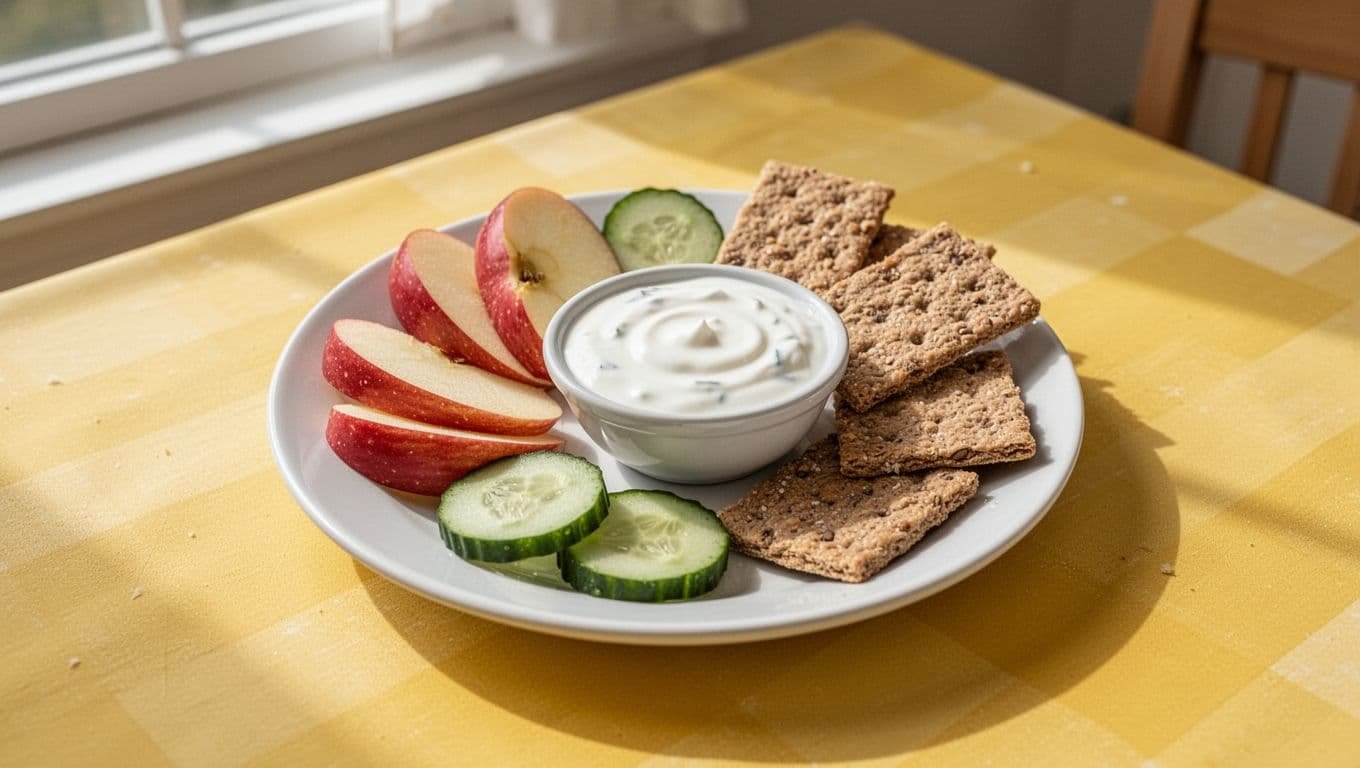
- Apple slices with cinnamon yogurt: Slice an apple, stir cinnamon into plain yogurt, and serve as a dip. Add lemon juice to slow browning.
- Banana oat yogurt cups: Layer banana, plain yogurt, and oats in a cup. Chill briefly before serving.
- Berry cottage cheese bowls: Rinse berries, spoon cottage cheese into bowls, and add fruit with seeds if allowed.
- Kiwi yogurt cups: Peel and chop kiwi, layer it with yogurt, and sprinkle on a little granola.
- Grape and cheese cups: Halve grapes, add cheese cubes, and chill. Cut grapes lengthwise and smaller for young children.
- Frozen banana bites: Slice banana, add yogurt or seed butter, freeze on a lined tray, then store sealed.
- Pear ricotta toast: Spread ricotta on whole-grain toast, add pear slices, and sprinkle with cinnamon.
- Fruit salsa and pita chips: Dice fruit, mix with lime juice, and serve with baked whole-grain pita wedges.
- Watermelon yogurt skewers: Alternate watermelon and cheese or yogurt-covered fruit on child-safe picks. Supervise closely.
- Apple nachos: Arrange apple slices on a plate, drizzle with yogurt, and add oats or finely chopped sunflower seeds.
Read also: 28 Easy Homemade After-School Snacks for Kids in 5 to 15 Minutes
Crunchy Vegetable Snacks with Dips
Dips make vegetables more appealing while adding protein or dairy. Refrigerate dips and egg cups promptly, and serve them cold unless noted.
- Carrot cucumber hummus: Cut vegetables into manageable sticks. Spoon hummus into a bowl and serve.
- Celery with seed butter: Wash and cut celery, spread with sunflower seed butter, and add raisins only when age-appropriate.
- Pepper yogurt dip: Slice bell peppers. Stir plain yogurt with lemon and herbs, then dip.
- Broccoli with cheese sauce: Steam broccoli until tender. Warm shredded cheese with milk, then pour over it.
- Cucumber bean dip: Slice cucumber. Mash seasoned beans and spoon the dip onto each coin.
- Sweet potato avocado rounds: Roast thin sweet potato slices. Mash avocado with lime and spread over cooled rounds.
- Snap peas and cottage cheese: Rinse snap peas. Blend cottage cheese with herbs and serve chilled.
- Tomato mozzarella bites: Combine halved tomatoes with mozzarella and basil. Quarter tomatoes for young children.
- Edamame hummus crackers: Blend cooked shelled edamame with lemon and water. Serve with whole-grain crackers.
- Veggie egg cups: Whisk eggs, fold in chopped vegetables and cheese, fill muffin cups, bake until set, and cool.
Read also: 30 Fun Halloween Soup Ideas Kids Will Love
Protein-Packed Toasts, Wraps, and Mini Sandwiches
These combinations take less than 15 minutes. Refrigerate egg or tuna mixtures, and supervise children with toothpicks and small pieces.
- Banana toast sandwiches: Spread yogurt or approved seed butter on bread. Add banana and close.
- Hummus veggie roll-ups: Spread hummus on a tortilla, add thin vegetables, roll tightly, and slice.
- Egg salad crackers: Mash a hard-boiled egg with yogurt. Spoon onto crackers and add cucumber.
- Tuna avocado toast: Mix drained tuna with mashed avocado. Spread on toast and top with tomato.
- Black bean quesadillas: Add mashed beans and cheese to a tortilla. Fold, heat, and cut into wedges.
- Cottage cheese cucumber toast: Spread cottage cheese on toast. Add cucumber and season lightly.
- Turkey apple wraps: Layer turkey and cheese on apple slices or a tortilla. Roll and cut.
- Chickpea salad cups: Mash chickpeas with yogurt and lemon. Spoon into lettuce leaves or mini pitas.
- Mini pita pizzas: Add sauce, vegetables, and cheese to pitas. Bake until melted and cool.
- Pasta frittata squares: Mix pasta with beaten egg and vegetables. Cook until firm, then cut.
Warm, Baked, and Make-Ahead Snacks
Batch-friendly snacks save time on busy school days. Refrigerate perishable foods, freeze muffins and bars in portions, and check textures before serving.
- Cinnamon apple chips: Slice apples thinly, sprinkle with cinnamon, and bake at low heat. Cool until crisp.
- Roasted chickpeas: Rinse and dry chickpeas, toss with oil and mild seasoning, roast until crisp, and cool.
- Banana oat muffins: Mix mashed bananas, oats, eggs, and cinnamon. Bake, cool, and freeze extras.
- Carrot zucchini muffins: Squeeze grated vegetables dry, stir into whole-grain batter, bake, and cool.
- Oat energy bites: Mix oats, banana, and sunflower seed butter. Roll, chill, and refrigerate.
- Homemade granola bars: Combine oats, seeds, banana, and dried fruit. Bake in a lined pan, cool, and slice.
- Cheese crackers: Mix whole-grain flour, cheese, and yogurt. Roll, cut, bake, and cool.
- Sweet potato toast fingers: Bake sweet potato slices until tender. Add yogurt, avocado, or mashed beans.
- Pear oatmeal cups: Cook oats with pear, cinnamon, and milk or water. Portion and serve warm or chilled.
- Bean cheese muffins: Mix beans, egg, cheese, and cornmeal. Bake in mini tins and cool.
Smoothies, Drinks, and Portable Snack Boxes
Use an insulated bag and cold packs for dairy, eggs, hummus, and other perishable foods. Serve water alongside these balanced snacks.
- Berry banana smoothie: Blend berries, banana, yogurt, and milk or water. Frozen fruit adds chill without sugar.
- Green mango smoothie: Blend mango, spinach, yogurt, and water. Serve immediately in a small cup.
- Oatmeal smoothie: Blend banana, cooled cooked oats, cinnamon, and milk or yogurt until creamy.
- Homemade trail mix: Combine whole-grain cereal, unsweetened dried fruit, and seeds. Portion carefully, avoiding choking hazards and allergens.
- Yogurt berry jars: Layer yogurt and berries. Pack granola separately when you want crunch.
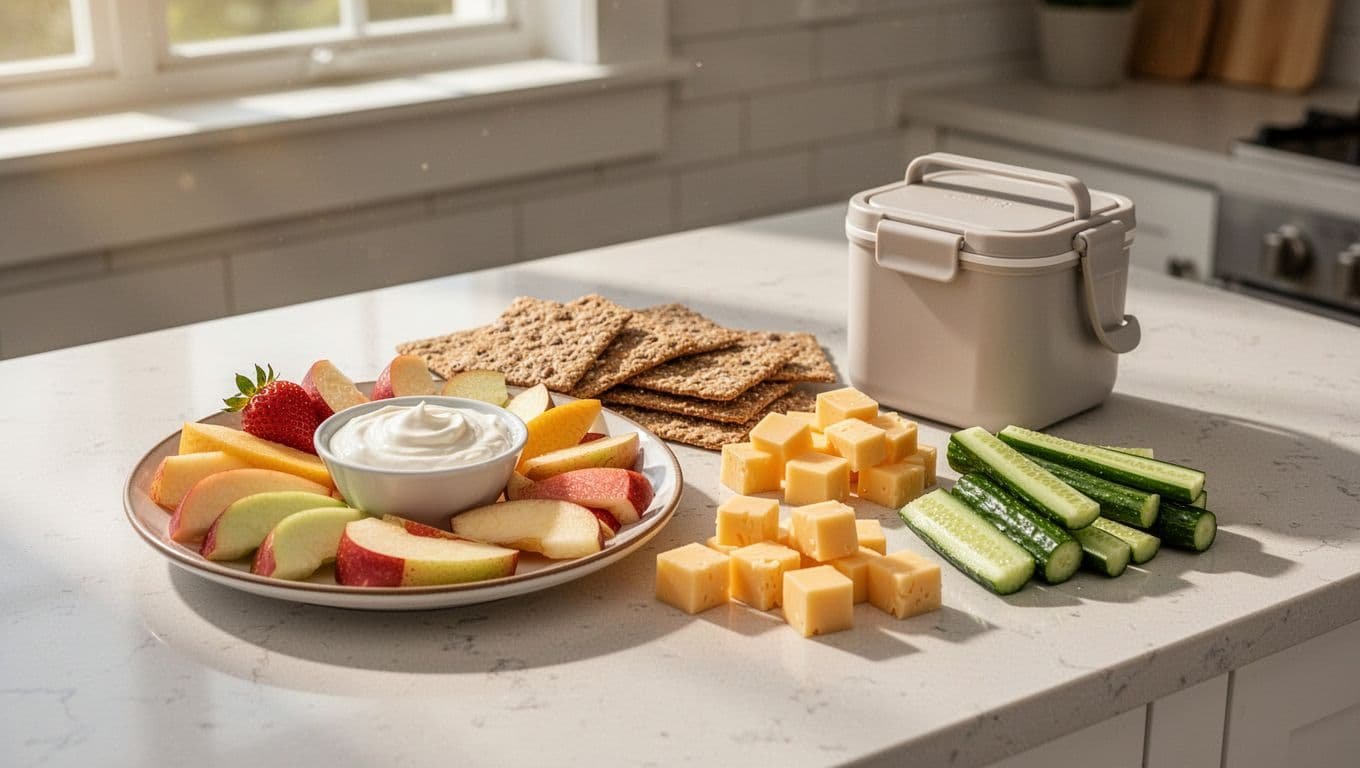
- Fruit cheese boxes: Pack fruit, cheese cubes, crackers, and cucumber in separate sections.
- Boiled egg boxes: Add a peeled egg, fruit, crackers, and vegetables. Keep chilled.
- Hummus boxes: Portion hummus with vegetables, pita wedges, and a small serving of fruit.
- Banana oat bars: Mix banana, oats, cinnamon, and approved seeds. Bake, cool, and slice.
- Frozen yogurt pops: Blend yogurt and fruit, pour into molds, freeze firm, and soften briefly before serving.
For young children, cut grapes, cherry tomatoes, and other round foods lengthwise into small pieces. The CDC’s choking hazard guidance offers age-based food preparation advice. Keep cold snacks at 40°F or below until serving.
Make These Healthy Snacks Easier on Busy School Days
A little preparation can turn the after-school rush into a simple grab-and-go routine. Set aside one short prep session each week, then refresh a few items midweek so snacks stay appealing and safe.
Prep the Building Blocks Ahead
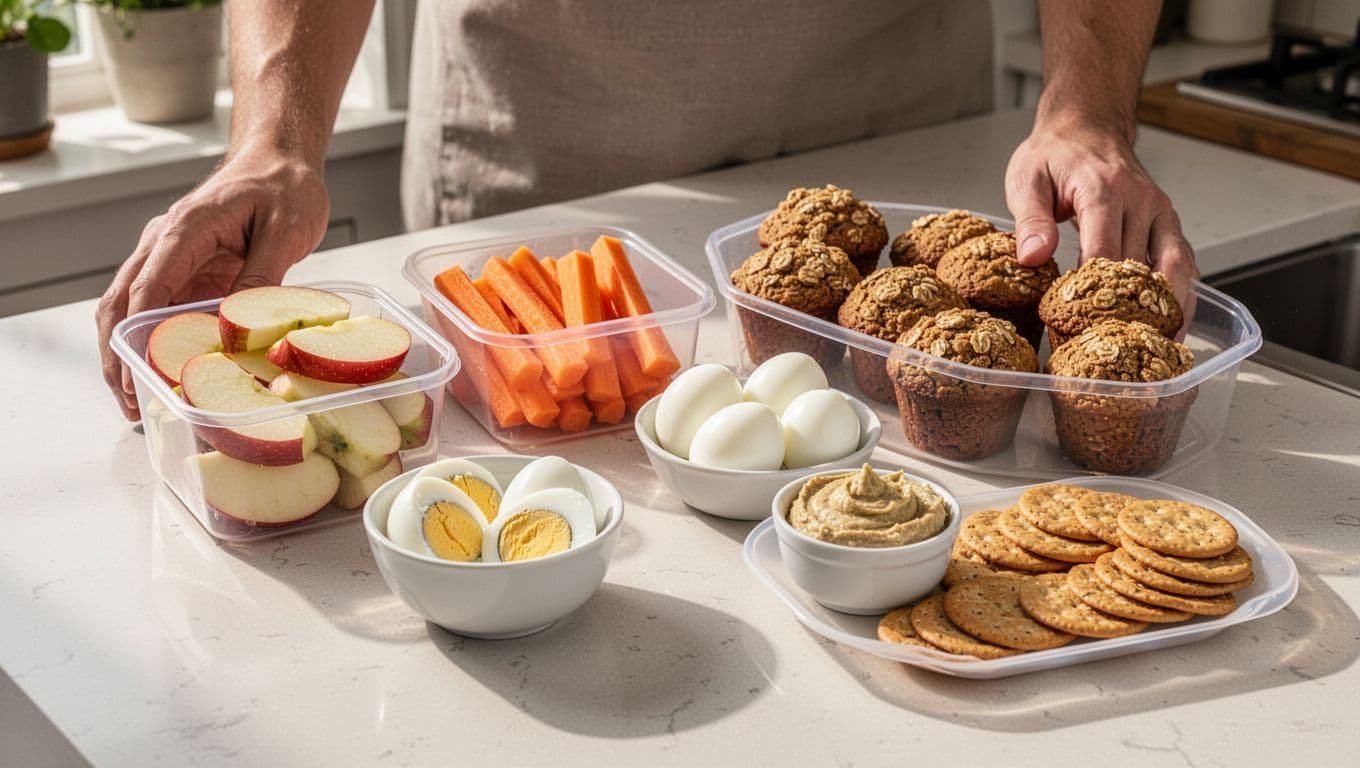
Wash and dry produce as soon as you bring it home. Cut carrots, cucumbers, bell peppers, melon, or apples into snack-size pieces, then store them in airtight containers. Keep cut produce refrigerated at 40°F or below, and add lemon juice to apples or pears if you want to slow browning.
Boil a batch of eggs for quick protein. Refrigerated hard-cooked eggs keep for up to one week, but they should not be frozen because the whites become rubbery. You can also bake banana muffins, oat bars, or veggie egg cups, then freeze individual portions in airtight packaging. Move frozen items to the refrigerator the night before, or thaw them according to the recipe.
Prepare hummus, bean dip, or yogurt dip once or twice a week. Store dips in small containers so you can serve only what your child needs. Dairy-based dips, cut fruit, cheese, eggs, and yogurt should stay cold, either in the refrigerator or in an insulated bag with an ice pack. Use the FoodSafety.gov cold storage chart when you need a quick storage reference.
Keep perishable snacks chilled until serving, and discard them after two hours at room temperature, or one hour when temperatures exceed 90°F.
Use a Simple Mix-and-Match System
Build each snack by choosing one item from each group:
- Produce: Choose apple slices, berries, grapes cut lengthwise, cucumber rounds, carrots, or bell peppers.
- Protein or dairy: Add yogurt, cheese, a hard-boiled egg, hummus, cottage cheese, or an approved seed butter.
- Whole grain or healthy fat: Finish with whole-grain crackers, toast, oats, pita, avocado, or a small portion of seeds.
For example, a child could choose strawberries, cheese, and crackers one day, then cucumber, hummus, and pita the next. Portion dry trail mix, crackers, and seeds into small containers during prep, but assemble foods such as avocado toast, apple nachos, and yogurt with granola just before eating. Those ingredients taste and look better when they are fresh.
Let your child choose between two options instead of asking an open-ended question. Offer carrots with hummus or apple slices with yogurt, then let them pick. Children can wash produce, stir dips, fill containers, and place muffin liners on a tray. Keep knives, hot pans, and small choking hazards out of their tasks, and cut round foods into safe pieces before serving.
For more freezer guidance, review the USDA’s freezing and food safety information.
Frequently Asked Questions
These common questions can help you adjust homemade after-school snacks to fit your child’s appetite, schedule, and food preferences. Small changes often make the difference between a snack that sits untouched and one your child happily eats.
How can I make healthy snacks more appealing to picky eaters?
Start with one food your child already enjoys, then add one less familiar ingredient beside it. For example, serve a favorite cracker with a small portion of hummus, or pair familiar banana slices with plain yogurt.
Keep portions modest so the new food doesn’t feel overwhelming. You can also let your child choose between two options, help assemble the snack, or select a fun shape with a cookie cutter.
What are the best snacks before sports or other activities?
Choose foods that provide carbohydrates for quick energy and add a little protein if your child has more time before practice. A banana with yogurt, whole-grain toast with seed butter, or crackers with cheese can work well.
Keep the snack lighter when activity starts soon, because a large or greasy serving may feel uncomfortable during exercise. Offer water, and save heavier combinations for after practice when your child needs a more substantial bite.
What can I pack when my child doesn’t have access to a refrigerator?
Use shelf-stable ingredients such as whole-grain crackers, unsweetened dried fruit, applesauce pouches, roasted chickpeas, and a sealed oat bar. Fresh apples, pears, and whole oranges can also travel well without refrigeration.
Avoid packing yogurt, cheese, eggs, hummus, or cut fruit unless you use an insulated lunch bag with a cold pack. The USDA’s MyPlate nutrition resources can help you combine shelf-stable foods from different food groups.
How can I make these snacks dairy-free?
Replace yogurt with unsweetened soy yogurt, mashed avocado, or a bean-based dip, depending on the recipe. Use dairy-free cheese when it fits your family’s needs, or add hummus, chickpeas, eggs, or an approved seed spread for protein.
Check every package for milk ingredients and allergy statements. Some dairy-free products contain added sugar, so compare labels and choose options with a short ingredient list when possible.
Can I prepare these snacks without nuts?
Yes. Sunflower seed butter, pumpkin seeds, hummus, beans, yogurt, cheese, and eggs can replace nuts in many recipes. For a nut-free school snack, try apple slices with sunflower seed butter, cucumber with hummus, or whole-grain crackers with cheese.
Always follow your school’s allergy policy, even when a recipe contains no nuts. Shared preparation surfaces and packaged ingredients can still create a cross-contact concern.
How do I keep homemade snacks from becoming repetitive?
Rotate the base ingredient, texture, and presentation instead of making an entirely new recipe every day. Serve the same apple slices with yogurt one day, whole-grain toast another day, and a fruit-and-cheese snack box later in the week.
Children often accept more variety when familiar foods remain on the plate. The Harvard Healthy Eating Plate for kids also offers a useful visual guide for balancing produce, grains, and protein foods.
Conclusion
After-school hunger doesn’t require a complicated recipe or a long list of ingredients. Start with a few combinations your child already enjoys, then keep simple foods such as fruit, vegetables, yogurt, cheese, whole grains, eggs, beans, or approved seed spreads ready for quick assembly.
Adjust textures, portions, and flavors to match your child’s age, appetite, and preferences. Before serving, consider allergies, school rules, choking risks, and food safety, especially when snacks contain perishable ingredients or foods that need to be cut into smaller pieces. Simple and flexible is often the best approach.
This week, try one sweet idea, such as banana oat muffins or apple slices with cinnamon yogurt, and one savory option, such as hummus veggie roll-ups or black bean quesadillas. A few reliable homemade snacks can make busy afternoons easier and keep snack time enjoyable.
Save the pin for later

I’m the creator of My Everyday Dish, a food blog focused on easy homemade recipes, comforting family meals, simple baking, and seasonal food ideas. I love finding practical ways to make everyday cooking less stressful and more enjoyable. Here, I share recipes with simple ingredients, clear instructions, and plenty of flavor, helping you make delicious meals and treats you’ll feel confident serving at home.
Leave a Reply