
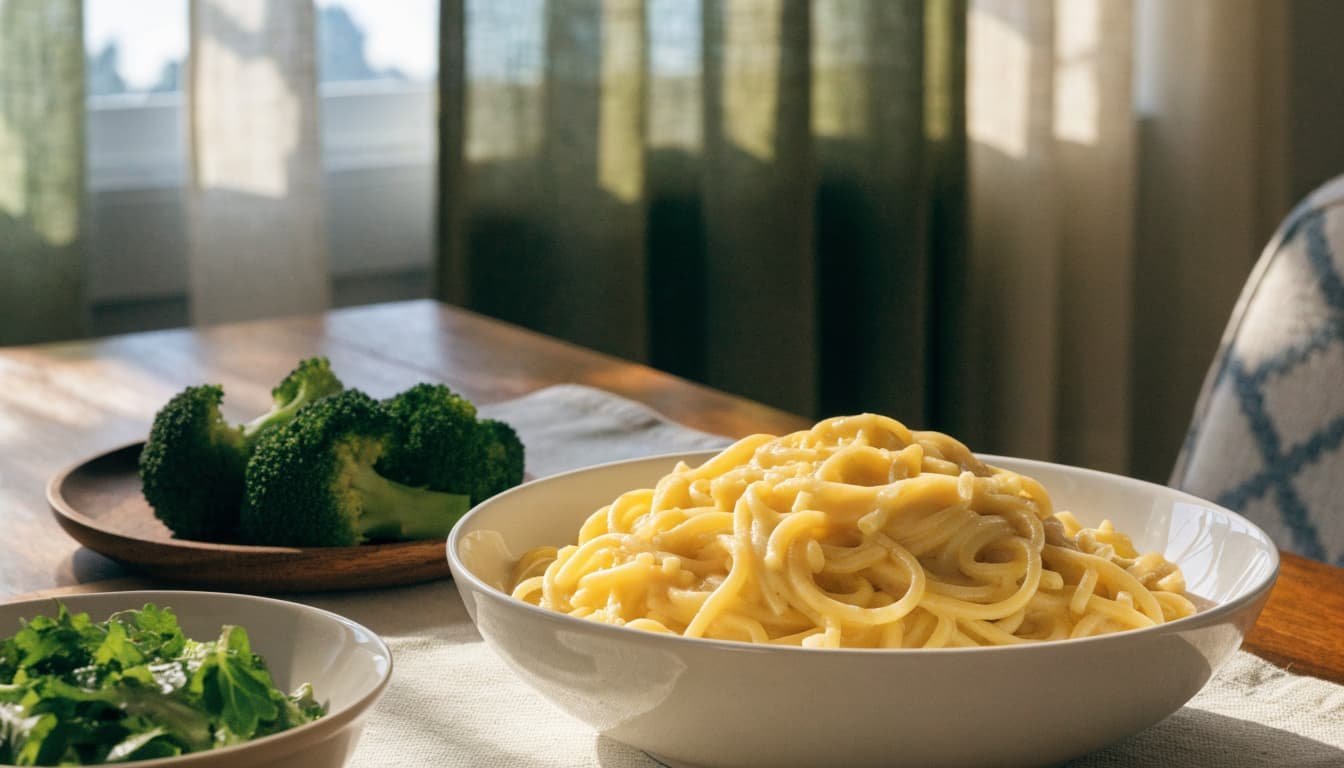
A smooth Cheddar sauce coats long spaghetti noodles for the same familiar comfort you get with traditional mac and cheese. You can make homemade mac and cheese with spaghetti noodles on the stovetop, using a few pantry staples and the pasta you already have.
The sauce starts with butter, flour, and milk, then shredded cheese melts in near the end. Keep the heat gentle once the cheese goes in, and you’ll have tender strands with a creamy coating instead of a thick, grainy sauce. Start by measuring your ingredients so you can move easily between cooking the pasta and making the sauce.
Creamy Homemade Mac and Cheese With Spaghetti Noodles
This recipe makes 6 to 8 main-dish servings. Plan on about 35 minutes total, including shredding the cheese and bringing the pasta water to a boil.
For one batch, you’ll need:
- 1 pound dried spaghetti.
- 4 tablespoons unsalted butter.
- 1/4 cup all-purpose flour.
- 4 cups whole or 2% milk, plus extra for thinning.
- 24 ounces sharp Cheddar, freshly shredded, about 6 cups.
- Salt and black pepper to taste.
Cook the spaghetti separately, then fold it into the finished stovetop sauce. Pasta cooking times vary by brand and thickness, so use the package directions as your starting point.
The finished sauce should cling to the noodles without turning stiff. Have a little extra milk ready because this cheese-forward sauce thickens as it stands.
Use a large pasta pot and a heavy-bottomed saucepan that holds at least 4 quarts. If the saucepan feels crowded, combine the drained spaghetti and sauce in the larger pasta pot.
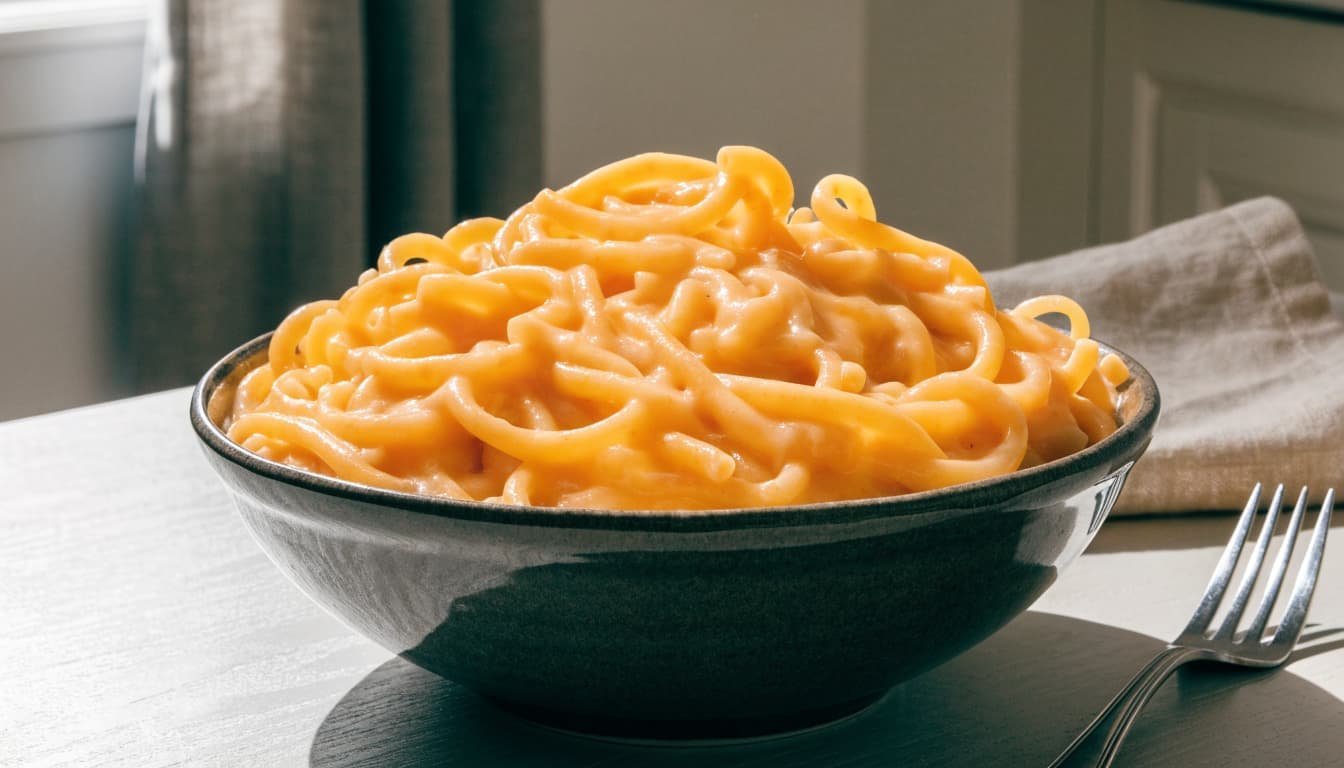
Gather simple ingredients for a smooth, cheesy sauce
Butter and flour form a roux, which thickens the milk before you add cheese. Cooking them together briefly removes the raw flour taste without giving the sauce a toasted flavor.
Whole milk gives the sauce a fuller texture, while 2% milk makes a slightly lighter version. Both work here, so use whichever you keep on hand.
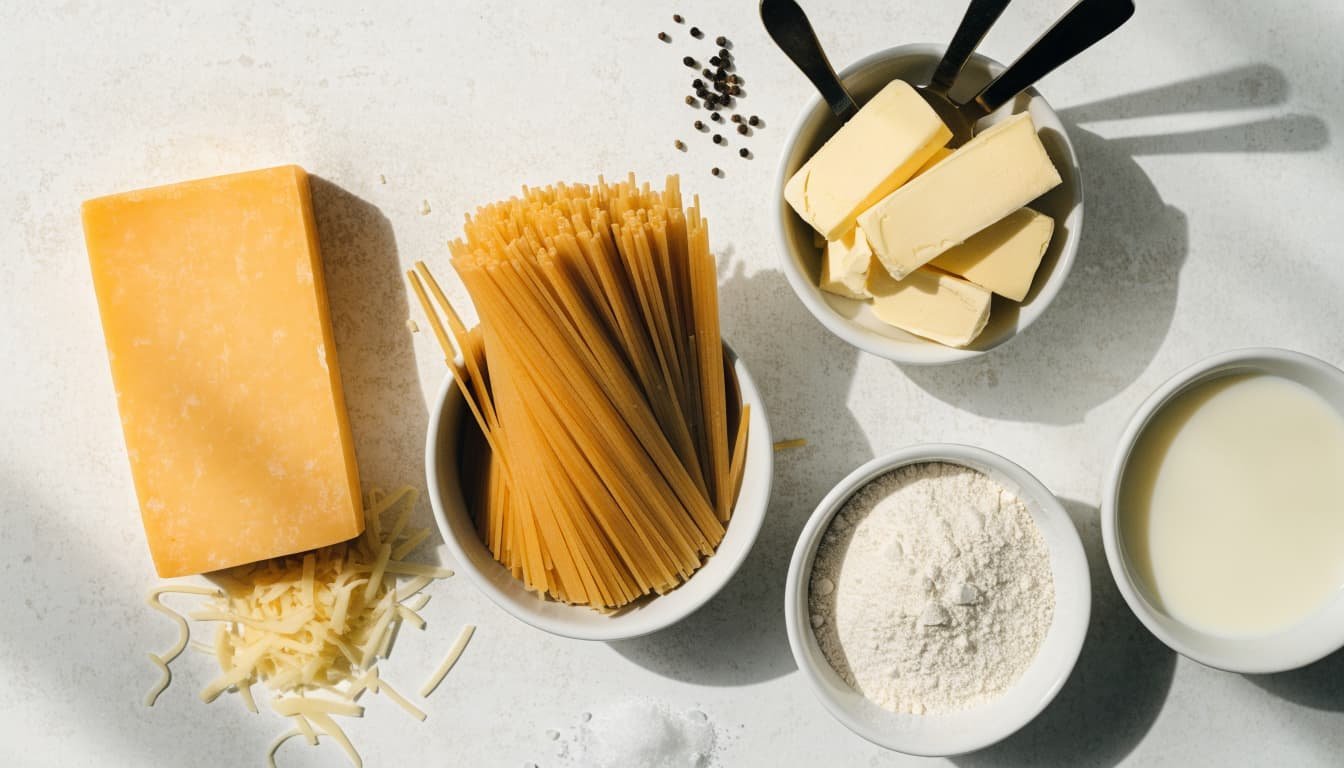
Sharp Cheddar brings enough flavor that you don’t need many seasonings. Shred it before starting the sauce so you can add it without stopping to grate more.
Freshly shredded cheese usually melts more smoothly than bagged shreds, which often contain ingredients that prevent clumping. Pre-shredded cheese is convenient, but the finished sauce may feel less smooth.
Keep the basic seasoning mild with salt and pepper. If you want more flavor, add 1/4 teaspoon garlic powder, 1/4 teaspoon mustard powder, or a small pinch of paprika.
Taste after the cheese melts before adding much salt. Cheddar already contributes salt, and the seasoned pasta water adds some to the noodles.
Read also: Easy Homemade Spaghetti Noodles With a KitchenAid Mixer
How to make spaghetti mac and cheese, step by step
Measure the milk and shred the cheese before turning on the stove. Start the sauce while the spaghetti cooks so both are ready close together.
1. Boil the spaghetti until just tender
Bring a large pot of well-salted water to a boil, then add the spaghetti. Stir during the first minute to separate the strands.
Follow the package timing, but taste a strand before draining. It should be tender with a little firmness in the center, since it will soften further in the hot sauce.
Drain well without rinsing, then set aside briefly. If the sauce isn’t ready yet, toss the noodles gently now and then to keep them from settling into one clump.
2. Make a quick butter-and-flour roux
Melt the butter in your saucepan over medium heat. Add the flour, then whisk until no dry patches remain.
Cook for about 1 minute, stirring continuously across the bottom and into the corners. The mixture should look like a smooth, pale paste with small bubbles.
Don’t wait for it to brown. A pale roux keeps the sauce mild and lets the Cheddar flavor come through. Lower the heat if the butter starts darkening around the edges.
3. Whisk in milk and let the sauce thicken
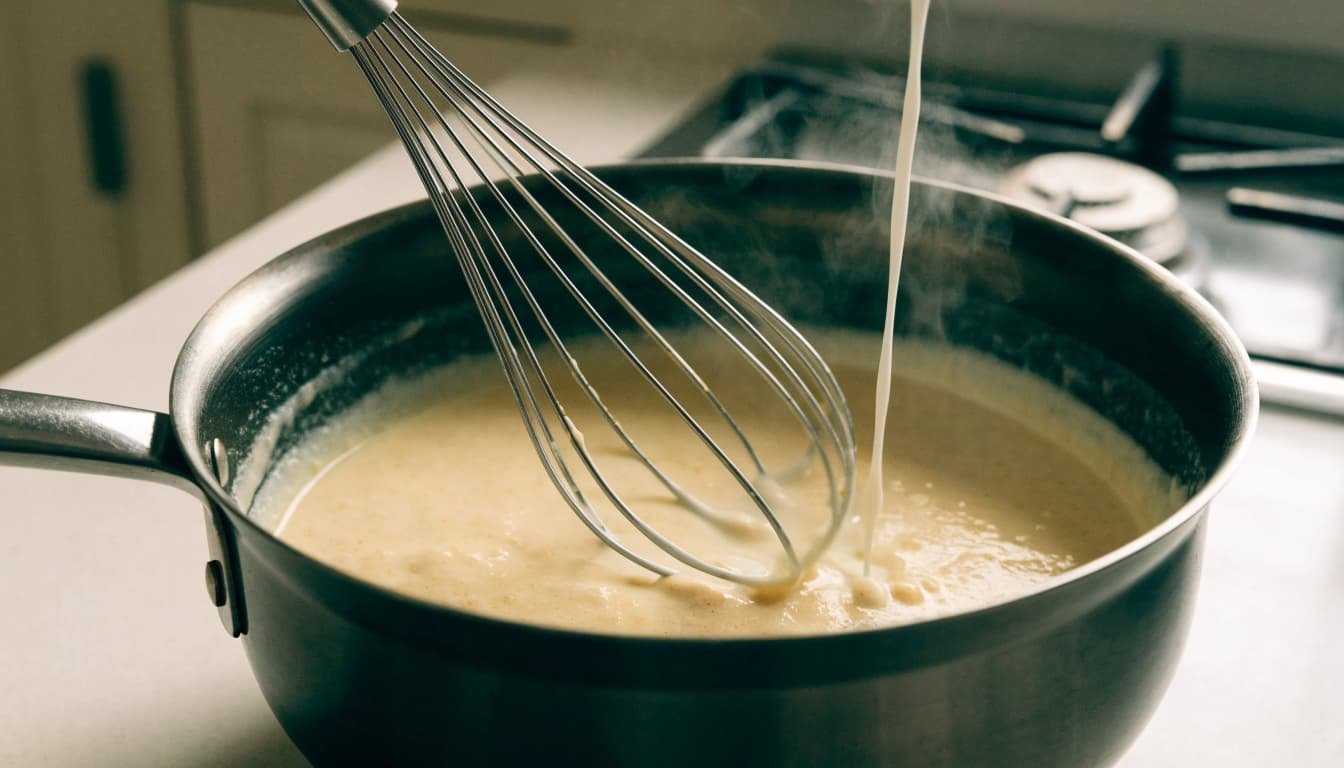
Pour in a small splash of milk while whisking, then work it into the roux until smooth. Continue adding milk gradually, whisking between additions.
Keep the pan over medium heat and stir often, scraping the bottom so the milk doesn’t catch. Once warm, the sauce should thicken in about 3 to 5 minutes.
Look for a smooth consistency that coats the back of a spoon. Let it reach a gentle simmer before lowering the heat.
4. Melt in the Cheddar over low heat
Reduce the heat to low, then add the shredded Cheddar one handful at a time. Stir until each addition melts before adding more.
Allow about 3 to 5 minutes, but watch the texture rather than the clock. The sauce should look smooth and glossy, with no visible shreds.
If it starts bubbling strongly, move the pan off the burner while you stir. Add pepper and any optional seasonings, then taste before adjusting the salt.
Read also: Roasted Butternut Squash Soup With Maple and Spices
5. Fold in the noodles and serve warm
Add the drained spaghetti to the sauce. Use tongs to lift and turn the strands gently until they’re evenly coated.
Warm over low heat for about 2 to 3 minutes, stirring so the bottom doesn’t scorch. If the noodles are difficult to separate, add a small splash of warm milk.
Serve promptly in bowls while the sauce still flows around the pasta. Mac and cheese with spaghetti noodles becomes thicker as it cools, so avoid leaving the pot on the stove.
How to keep spaghetti mac and cheese creamy
Small adjustments work better than extra heat when the sauce needs attention. Keep warm milk nearby, and watch the texture as you stir.
Prevent lumps before adding cheese
Whisk the first additions of milk thoroughly before pouring in more. Small lumps are easier to smooth out while the mixture is still thick.
If flour lumps remain, whisk the white sauce until smooth before adding Cheddar. Once the cheese goes in, vigorous whisking and extra cooking can make the texture harder to manage.
Freshly grated cheese also helps, but temperature still matters.
Turn the heat down before adding cheese, not after the sauce starts separating.
Loosen thick sauce without boiling it
Stir in warm milk 1 to 2 tablespoons at a time until the sauce moves easily around the noodles. Pause between additions so you don’t thin it more than you want.
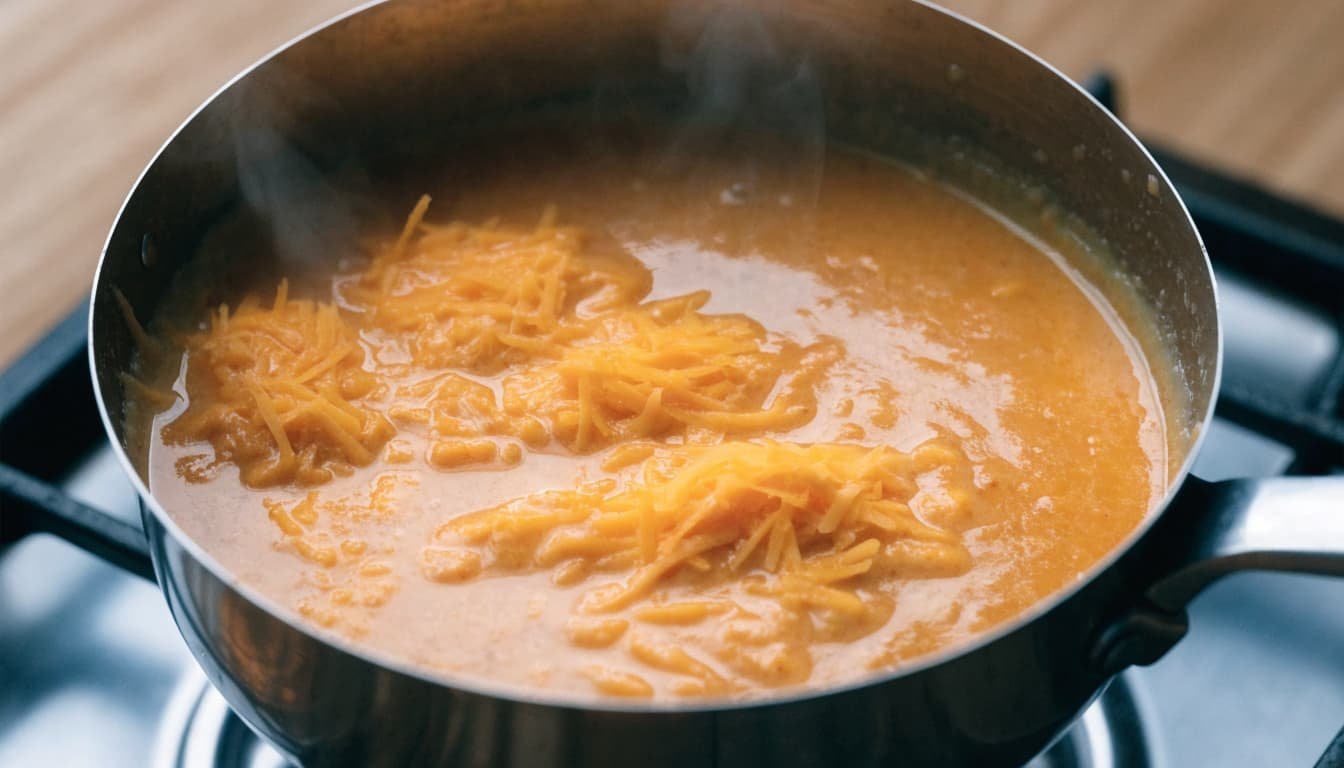
For clumped noodles, use tongs to separate the strands gently over low heat. Don’t pull hard, since tender spaghetti can break.
Avoid a hard boil after adding cheese. If the sauce looks oily or grainy, remove it from the heat and stir in a little warm milk. This may improve the texture, though a badly separated sauce won’t always become fully smooth again.
Easy ways to serve, customize, and save leftovers
Add something fresh or a small topping
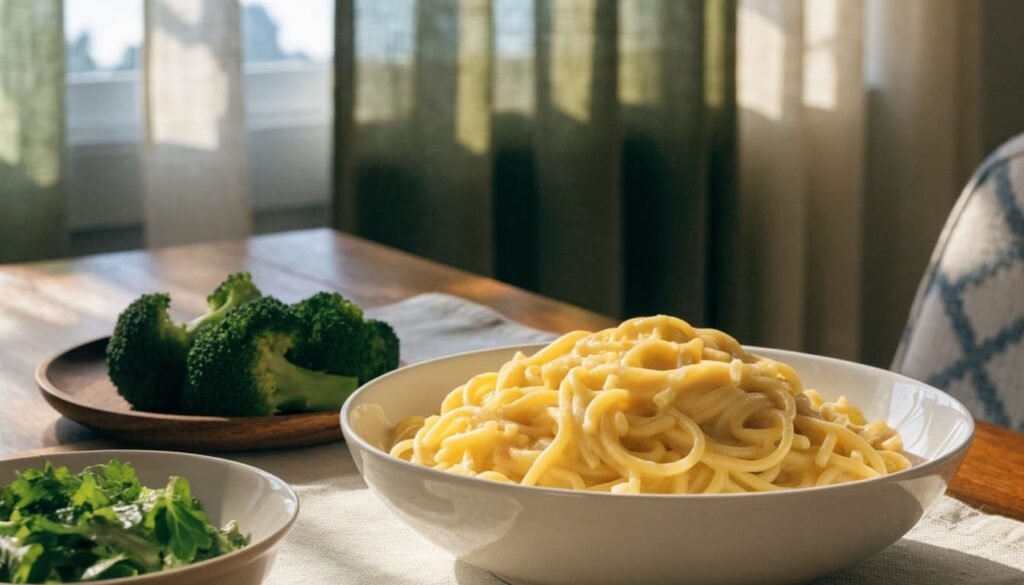
Serve this rich pasta with a green salad, steamed broccoli, or green beans. A simple vegetable side gives you variety without another complicated recipe.
Fold in cooked peas or chopped broccoli near the end if you want vegetables in the pasta. Drain vegetables well so they don’t water down the sauce, and start with about 1 cup.
Crumbled cooked bacon works better as a topping when everyone wants a different amount. Keep additions separate for selective eaters, as we suggest in our fall dinners for picky eaters.
Cool and refrigerate leftovers promptly
Follow the USDA’s leftover food safety guidance: refrigerate within 2 hours, or within 1 hour when the room or outdoor temperature exceeds 90°F.
Divide leftovers into shallow containers rather than cooling a full pot on the counter. Keep the refrigerator at 40°F or below, and reheat leftovers to 165°F before serving.
Frequently Asked Questions
Can I use a different cheese?
Mild or medium Cheddar, Monterey Jack, and Gruyère can replace some or all of the sharp Cheddar. Choose cheeses that melt well, and keep the total weight at 24 ounces. A Cheddar and Monterey Jack blend gives you a milder sauce without changing the method.
Can I make the cheese sauce without flour?
This recipe uses flour to thicken the milk, so leaving it out changes the sauce’s structure and texture. Choose a recipe developed for a no-roux sauce instead. Those recipes may use evaporated milk, starch, or another approach to keep the cheese smooth.
Can I prepare this recipe ahead of time?
Mac and cheese with spaghetti noodles tastes best freshly made because the pasta absorbs sauce as it sits. If preparing ahead, refrigerate the sauce and cooked noodles separately when practical. Warm the sauce gently, loosen it with milk, then add the noodles and heat thoroughly.
How do I reheat leftover spaghetti mac and cheese?
Warm leftovers gently in a saucepan with a little milk, stirring and separating the strands as needed. For the microwave, cover loosely and heat in short intervals, stirring between them. Use a food thermometer to confirm the pasta reaches 165°F throughout before serving.
A comforting meal with the pasta you have
Spaghetti and a homemade Cheddar sauce make a comforting meal without a baking dish or a long ingredient list. The most useful habit is gentle heat once the cheese goes in, followed by a little milk whenever the sauce needs loosening.
Try the basic recipe first, then adjust the seasonings or offer vegetables and toppings separately. You’ll keep the creamy coating while making the meal suit your table.
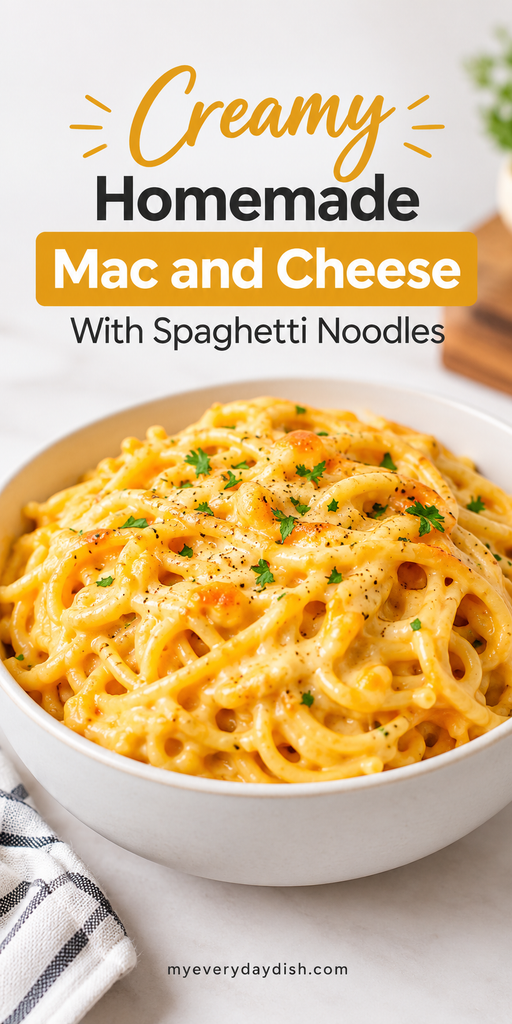
Save the pin for later

I’m the creator of My Everyday Dish, a food blog focused on easy homemade recipes, comforting family meals, simple baking, and seasonal food ideas. I love finding practical ways to make everyday cooking less stressful and more enjoyable. Here, I share recipes with simple ingredients, clear instructions, and plenty of flavor, helping you make delicious meals and treats you’ll feel confident serving at home.
Leave a Reply