
Lasagna gives you rich tomato, tender pasta, and melted cheese in one dish. The layering is what slows a weeknight down. This creamy lasagna soup with cottage cheese and Italian herbs gives you the same flavors in a bowl you can stir together in under an hour.
You get a tomato-rich broth, seasoned beef, and a cheese finish that tastes closer to lasagna filling than to a plain tomato soup. The steps are simple, but a couple of habits matter: cook the pasta on its own, and stir the cheese in gently at the end.
Here’s how to build the pot, what to swap if you’re missing something, and how to keep leftovers from turning thick and starchy.
Creamy Easy Lasagna Soup With Cottage Cheese and Italian Herbs: Why This Bowl Works
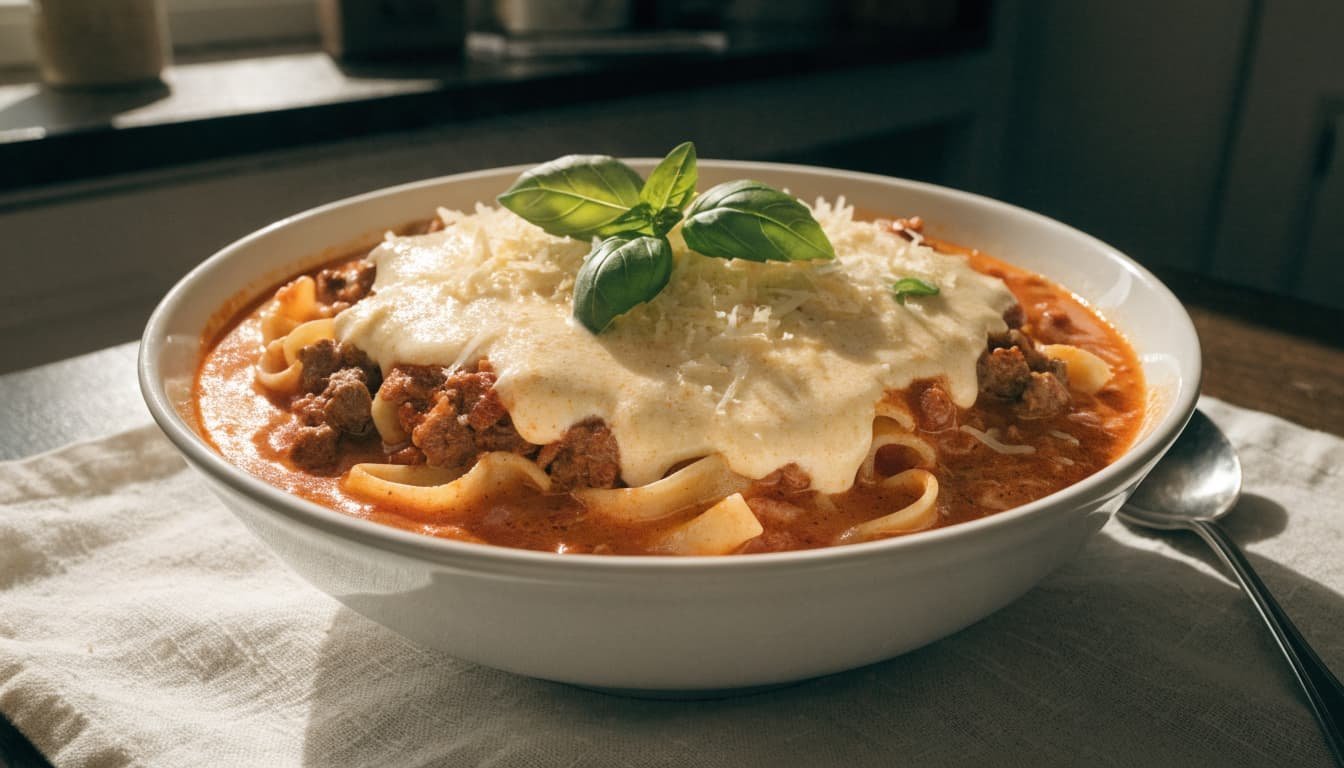
The appeal comes down to four parts working together. Browned beef and onion give the broth body. Marinara and tomato paste bring the deep red tomato flavor you expect from lasagna. Italian seasoning does most of the flavor work, which means you don’t need a long list of separate herbs.
Then comes the cheese. A cup of cottage cheese stirred into the hot broth adds a tangy creaminess, and mozzarella melts into it for that familiar stretch. Parmesan and basil go on at the table.
Mayfield Dairy’s version of this soup uses 1 pound of ground beef, a 25-ounce jar of marinara, 8 ounces of mafaldine pasta, 1 cup of cottage cheese, and 1 cup of shredded mozzarella. It’s a generous pot, enough for four hungry people with a little left over.
Read also: Roasted Butternut Squash Soup With Maple and Spices
What You Need for the Soup and Easy Swaps
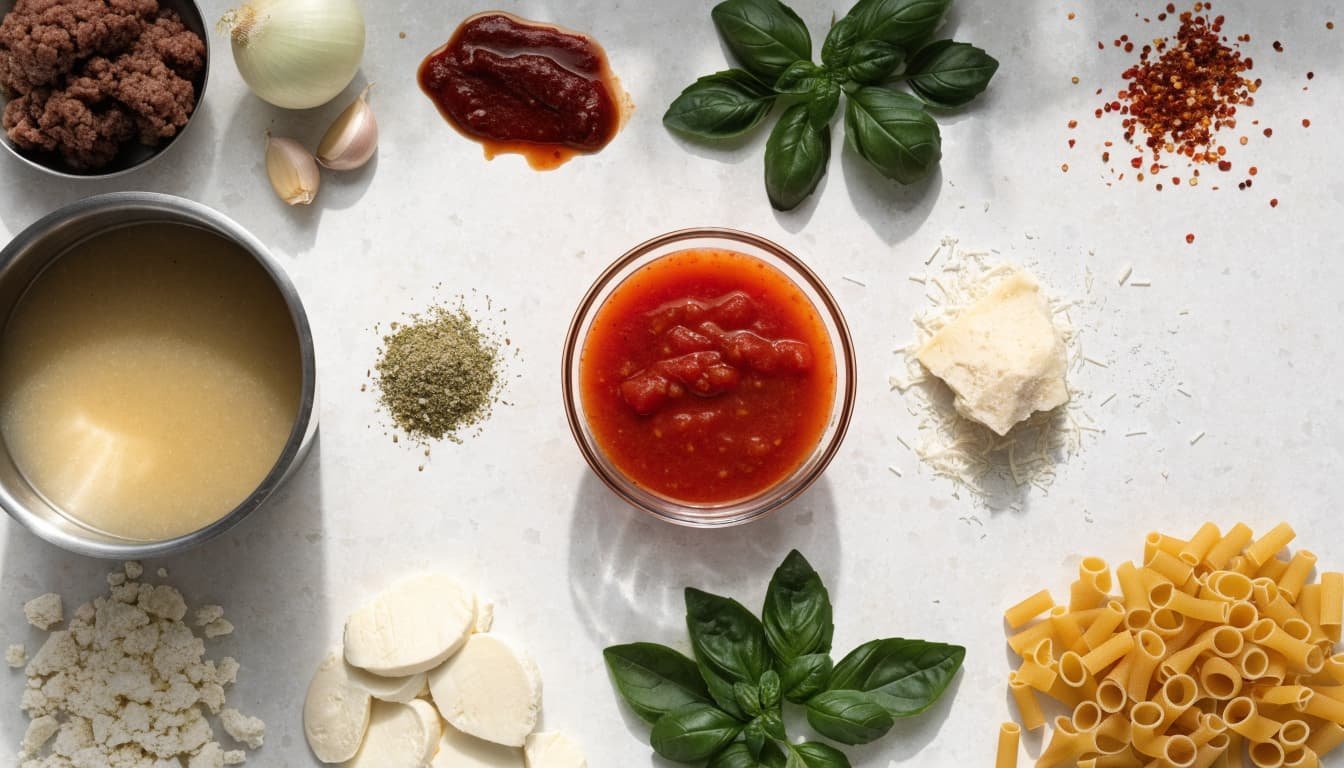
You don’t need a long shopping list for this one. Most of it is pantry-friendly, and the fresh items are onion, garlic, and basil if you’re using it. Here’s how the pieces break down.
The Soup Base and Italian Herb Blend
Start with olive oil, 1 pound of ground beef, 1 medium onion, and 4 garlic cloves. You’ll also need 2 tablespoons of tomato paste, 1½ cups of beef broth, and a 25-ounce jar of marinara sauce.
The seasoning split is the part worth remembering. Use 1½ tablespoons of Italian seasoning while the beef browns and save the last ½ tablespoon for the broth. Add up to 1 teaspoon of red pepper flakes for heat and about 1 teaspoon of salt at each stage.
If you’d rather use Italian sausage, it brings more seasoning on its own, so taste before adding the full amount of salt. Ground turkey works too, though the broth will taste lighter. Vegetable stock can replace beef broth for a meat-free pot.
Read also: Easy Vegetarian Lasagna Soup Recipe for a Cozy Dinner
Cottage Cheese, Mozzarella, and Parmesan
Buy 1 cup of cottage cheese and 1 cup of shredded mozzarella. Parmesan and fresh basil finish the bowls. Whole-milk cottage cheese gives the richest result, and low-fat versions still melt into the broth.
If you want a smoother finish, blend the cottage cheese for a few seconds before it goes in. Otherwise, small-curd cottage cheese blends into the broth more easily than large-curd.
Pasta and Protein Choices
Choose about 8 ounces of a sturdy pasta. Mafaldine is the shape Mayfield uses, and broken curly lasagna sheets work just as well. Short shapes like rotini or campanelle hold up in a hot broth, too.
Cooking the pasta in a separate pot keeps the noodles firm and stops the broth from turning thick and gummy. That small extra pot is worth the cleanup on the first night and the night after.
Step-by-Step Guide to Making Creamy Lasagna Soup
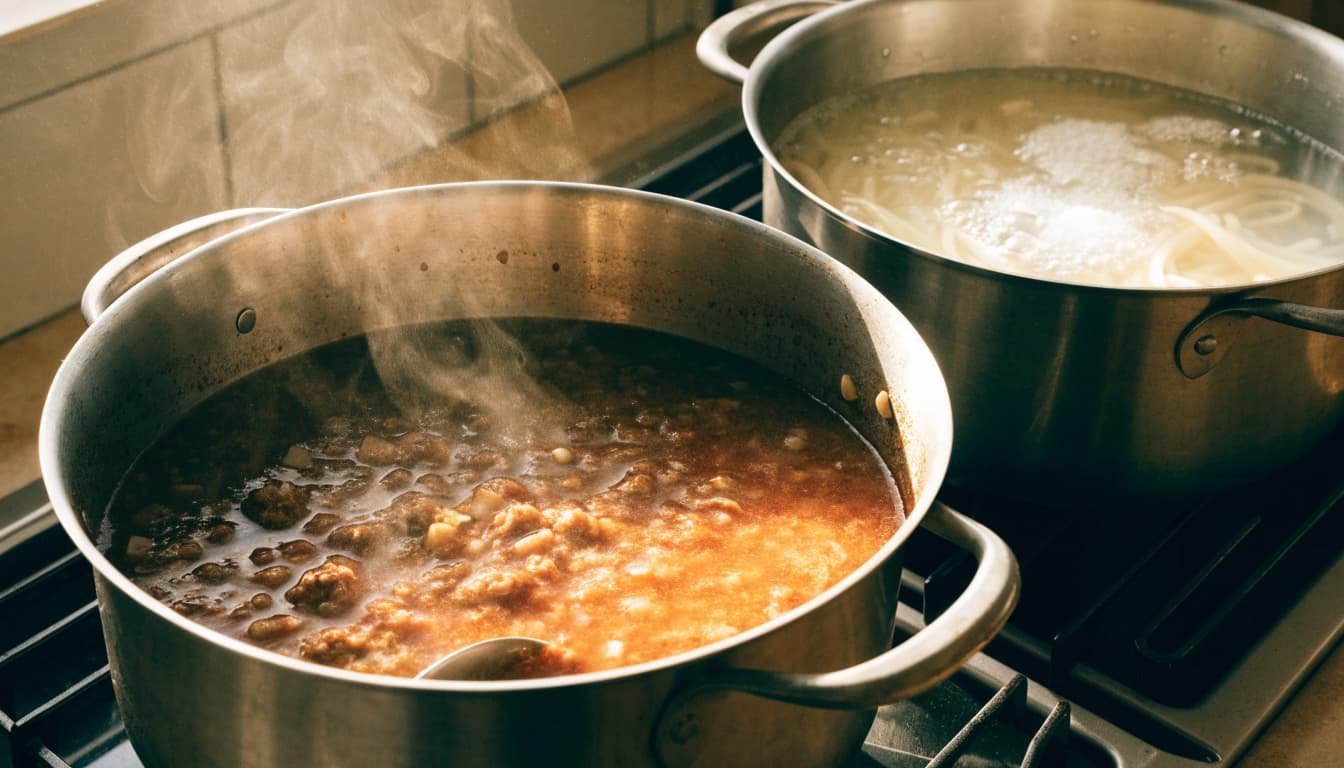
The order here matters more than the clock. Brown the meat, build the broth, let it simmer, and cook the pasta while the pot works. Chef John’s method for pasta soups follows the same logic: the noodles go in last so they don’t sit and soak. If you like this structure, our broth-based tortellini soup recipes use the same sequence.
1. Brown the Beef and Bloom the Herbs
Heat a generous tablespoon of olive oil in a large pot over medium-high heat. Add the beef and break it apart with a spoon. Cook for 3 to 4 minutes, until it’s no longer pink.
Stir in 1½ tablespoons of Italian seasoning, the red pepper flakes, and a teaspoon of salt. Cook for another 2 to 3 minutes so the herbs hit the hot fat and open up.
Add the diced onion and tomato paste and cook for 3 to 4 minutes, until the paste darkens slightly. Add the garlic and stir for about 1 minute, just until you can smell it. Splash in a little stock and scrape up the brown bits on the bottom of the pot.
2. Simmer the Tomato Broth
Pour in the rest of the stock and the marinara. Stir in the remaining ½ tablespoon of Italian seasoning, another teaspoon of salt, and a few grinds of black pepper.
Bring the pot to a boil, then lower the heat and cover it with the lid slightly ajar. Simmer for 20 minutes, stirring now and then. This is when the broth thickens and the flavors settle.
3. Cook the Pasta Separately
While the soup simmers, bring a pot of salted water to a boil. Cook 8 ounces of pasta according to the package directions, but stop a minute before it’s fully tender at the center.
Scoop out about ½ cup of the starchy water before you drain. That liquid helps loosen the soup later if it needs it. Drain the pasta and set it aside. For more on getting pasta timing right, these easy spaghetti noodle recipes cover the same habits.
4. Stir in the Cheeses and Finish
Turn off the heat or set the pot to low before the cheese goes in. Stir in 1 cup of cottage cheese, then 1 cup of mozzarella, until both disappear into the broth.
Add the cooked pasta and stir gently. If the soup looks tight, loosen it with the reserved pasta water a splash at a time. Taste for salt and pepper, then serve with grated Parmesan and torn basil.
Keep the pot at a gentle heat once the cheese is in. A hard boil pushes the cheese to the surface and leaves the broth looking speckled.
Creamy Cottage Cheese Tips for a Smooth, Rich Bowl
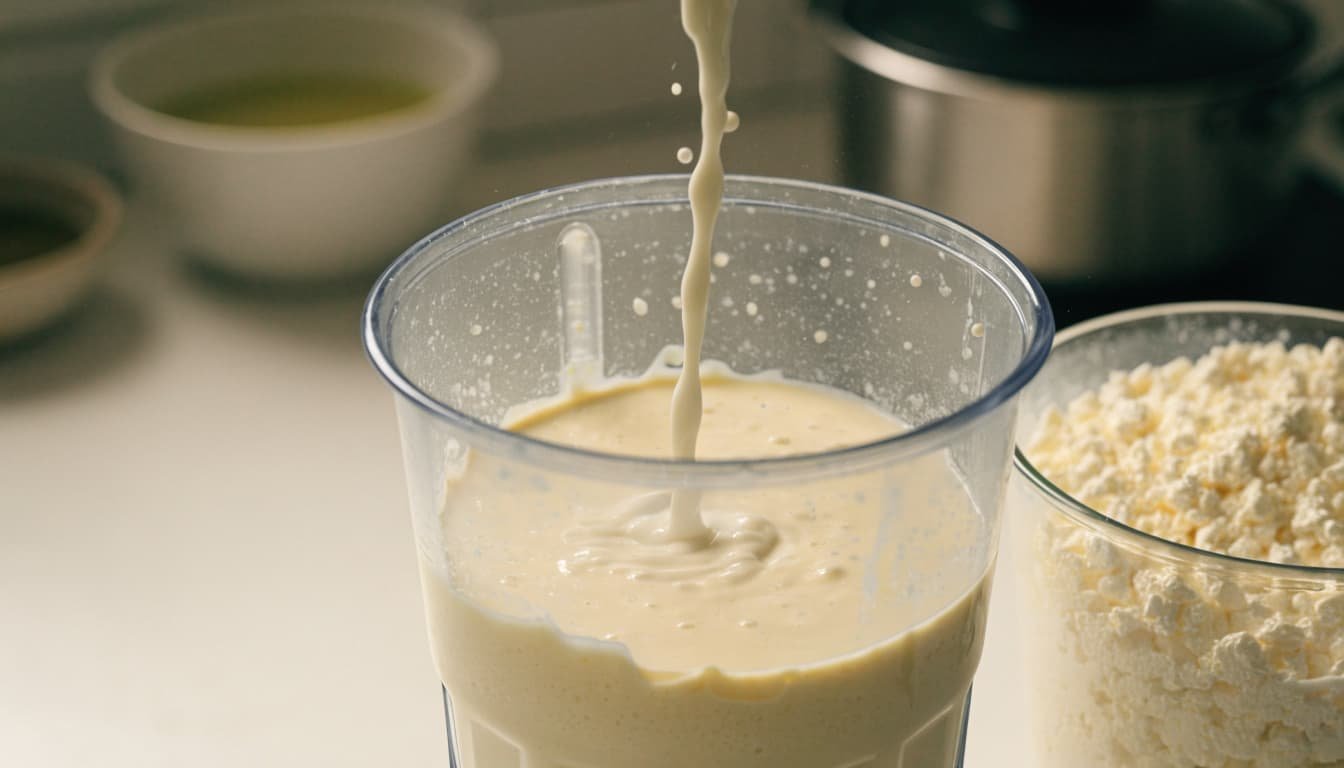
Cottage cheese is the ingredient that makes this soup taste like lasagna filling. A few small decisions around texture and timing keep the bowl balanced.
Make the Cottage Cheese Silky
For a smoother bowl, blend the cottage cheese with a splash of stock or milk until it looks like thin yogurt. It takes about 20 seconds and folds into the broth without visible curds.
Small-curd cottage cheese is the middle ground if you don’t want to dirty a blender. Larger curds stay distinct, which some people prefer and others don’t.
Keep the Heat Gentle
Add the cottage cheese after the pot comes off the heat, or with the burner set to low. Stir it in slowly instead of whisking hard. If you need to thin the soup, use warm stock or pasta water rather than cold liquid from the tap.
Balance the Herbs and Salt
Taste after the cheese goes in, since mozzarella and Parmesan both carry salt. If the broth tastes flat, a pinch more Italian seasoning or black pepper usually fixes it before more salt does. Red pepper flakes can go in at the table if you want extra heat in one bowl only.
Make-Ahead, Storage, and Reheating Advice
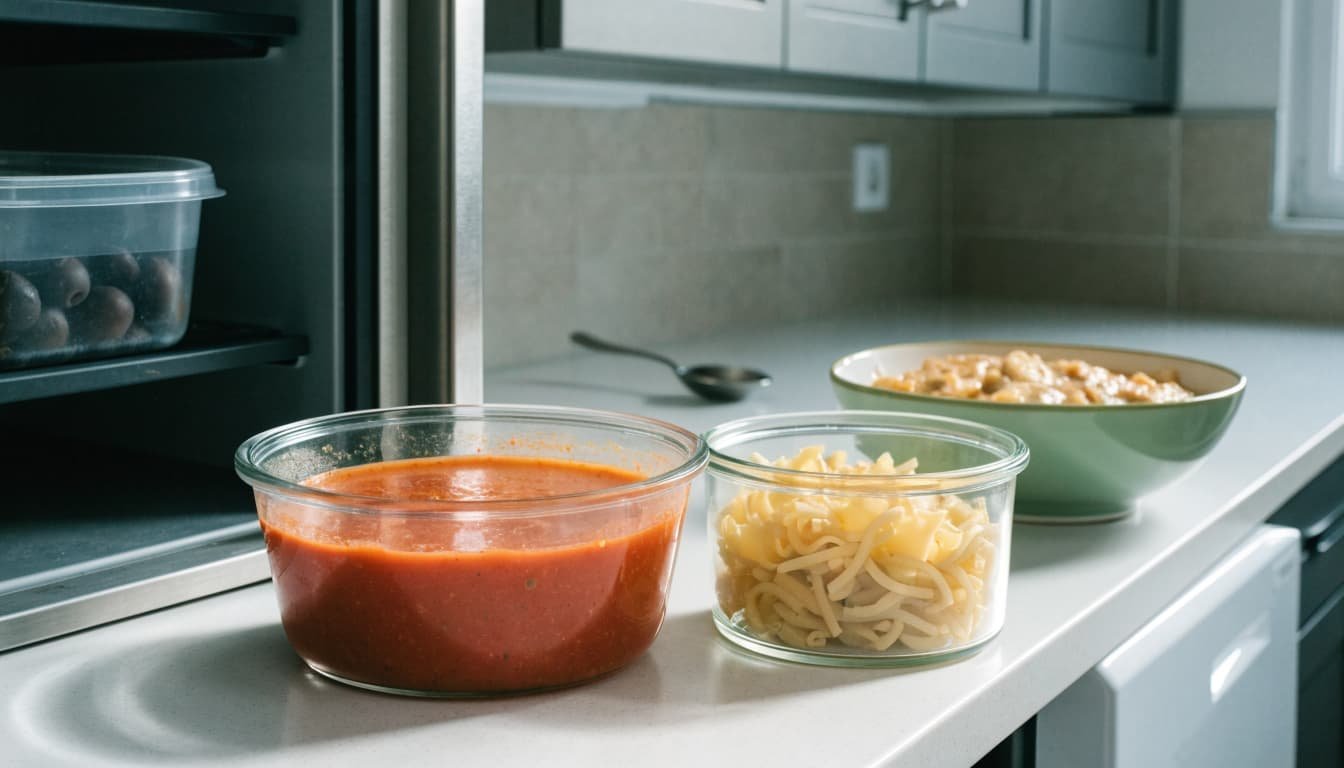
This soup holds up well if you store the parts with a little thought. The broth is the sturdy piece; the pasta and cheese are the parts that change after a night in the fridge.
Fridge and Freezer Basics
Cool leftovers within 2 hours and move them into shallow covered containers so they chill faster. Keep the soup in the fridge for 3 to 4 days, following the USDA FSIS leftovers and food safety guidance on storage windows.
For freezing, freeze the soup base without pasta or cheese when you can. Label and date the portions, and keep cooked pasta in its own container.
Reheating Without Splitting the Sauce
Reheat gently on the stovetop with a splash of stock or water, stirring as it warms. In the microwave, cover the bowl, stir halfway through, and let it stand before you check the middle. Leftovers need to reach 165°F.
If the reheated soup looks thick, stir in a spoonful of fresh cottage cheese or a little warm broth. More of our cozy soup storage and reheating advice covers the same ground for other pots.
Frequently Asked Questions
Can I cook the pasta right in the soup?
Yes, and it saves a pot. The trade-off is that the noodles keep drinking broth, so the soup thickens as it sits and leftovers turn starchy. Cook the pasta separately if you want a brothy bowl the next day.
What can I use instead of cottage cheese?
Ricotta is the closest match to lasagna filling. Stir it in off the heat the same way, and expect a slightly richer, less tangy bowl. Blended cottage cheese gets you closest to a smooth, creamy texture.
Can I use frozen lasagna noodles?
Yes. Break the sheets into rough pieces and add them to the boiling water without thawing. They take a few extra minutes to cook, so check them before draining.
Is a teaspoon of red pepper flakes too spicy?
It’s noticeable heat, roughly a medium kick once the cheese and tomato mellow it. Start with ¼ teaspoon if you’re feeding kids mixed company, and put the rest on the table.
Can I add spinach or other greens?
Stir in a few handfuls of spinach during the last two minutes of simmering, just until it wilts. Kale needs about five minutes. Add greens before the cheese goes in so the broth stays creamy.
Final Thoughts
Lasagna flavor in a bowl comes down to three moves: build a herby tomato broth with browned beef, cook the pasta in its own pot, and stir the cheese in gently at the end. Everything else is flexible.
You can shift the herbs, swap the protein, or use whatever short pasta is in the cupboard. Make the pot once as written, then adjust it toward the bowl you want. The first simmer tells you most of what you need to know, and the second one takes five minutes less.
Save the pin for later


I’m the creator of My Everyday Dish, a food blog focused on easy homemade recipes, comforting family meals, simple baking, and seasonal food ideas. I love finding practical ways to make everyday cooking less stressful and more enjoyable. Here, I share recipes with simple ingredients, clear instructions, and plenty of flavor, helping you make delicious meals and treats you’ll feel confident serving at home.
Leave a Reply