
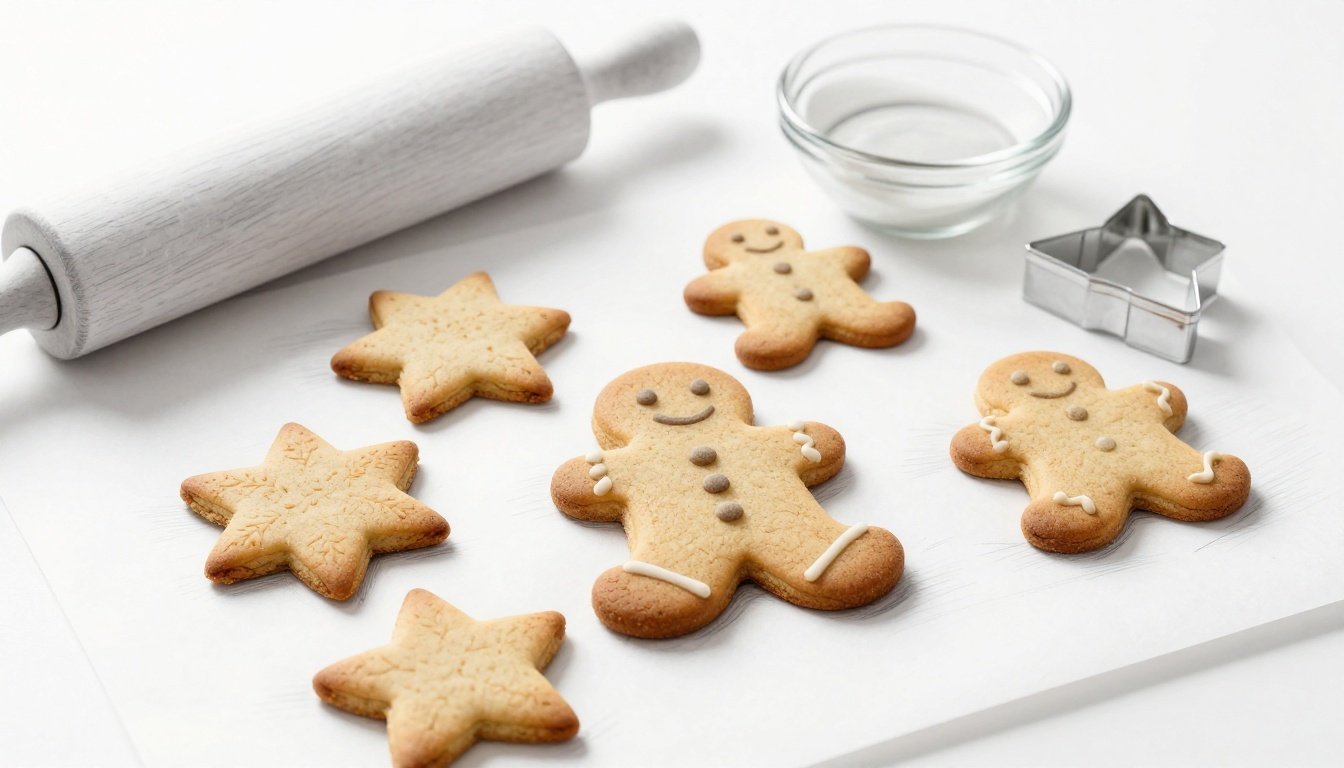
Soft gingerbread cookies get their familiar warmth from ginger, cinnamon, and molasses, while careful baking keeps the centers chewy. These homemade gingerbread cookies use a simple butter-and-brown-sugar dough that rolls into shapes without needing special equipment.
The most useful habit is giving the dough time to chill, then removing the cookies before their centers look firm. Start with the measured ingredients below, follow the mixing and rolling steps, and use the edges as your guide near the end of baking.
Easy Homemade Gingerbread Cookies That Are Soft and Chewy
This recipe makes tender cutout cookies with enough structure for simple decorating. The dough needs refrigerator time, but the mixing and shaping are manageable with a bowl, mixer, rolling pin, and cookie cutters.
Yield depends on your cutters and how closely you arrange each cut.
| Recipe Detail | Amount or Time |
|---|---|
| Yield | About 30 medium, 3-inch cookies |
| Active prep | About 25 minutes |
| Chill time | At least 2 hours |
| Bake time | About 8 to 10 minutes per batch |
| Oven temperature | 350°F |
| Rolled thickness | About ¼ inch |
Use the baking time as a starting point. Small shapes need less time, while larger cookies may need longer.
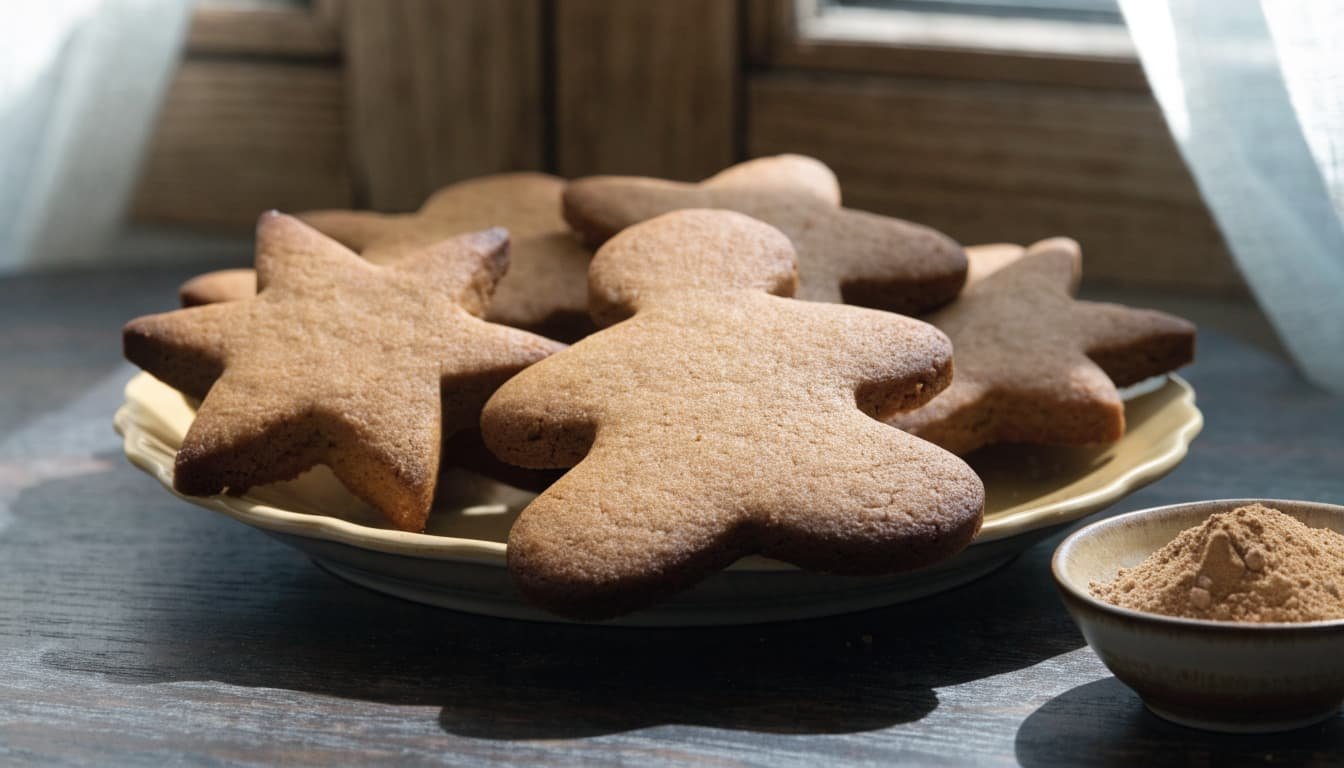
Gather these ingredients before mixing:
- 3 cups all-purpose flour, spooned and leveled, about 375 grams.
- ¾ cup unsalted butter, softened, 170 grams.
- ¾ cup packed light brown sugar, about 150 grams.
- ½ cup unsulphured light or regular molasses, about 170 grams.
- 1 large egg, at room temperature.
- 1 teaspoon baking soda.
- ½ teaspoon fine salt.
- 1 tablespoon ground ginger.
- 2 teaspoons ground cinnamon.
- ¼ teaspoon ground cloves or nutmeg, optional.
You’ll also need a little flour for rolling and parchment paper for the baking sheets. Keep the extra flour separate so it doesn’t accidentally become part of the measured dough.
What makes these gingerbread cookies tender and full of flavor
The ingredients work together to give these homemade gingerbread cookies a soft center and a clear molasses flavor. Keep the amounts and creaming method consistent rather than borrowing steps from a melted-butter recipe.
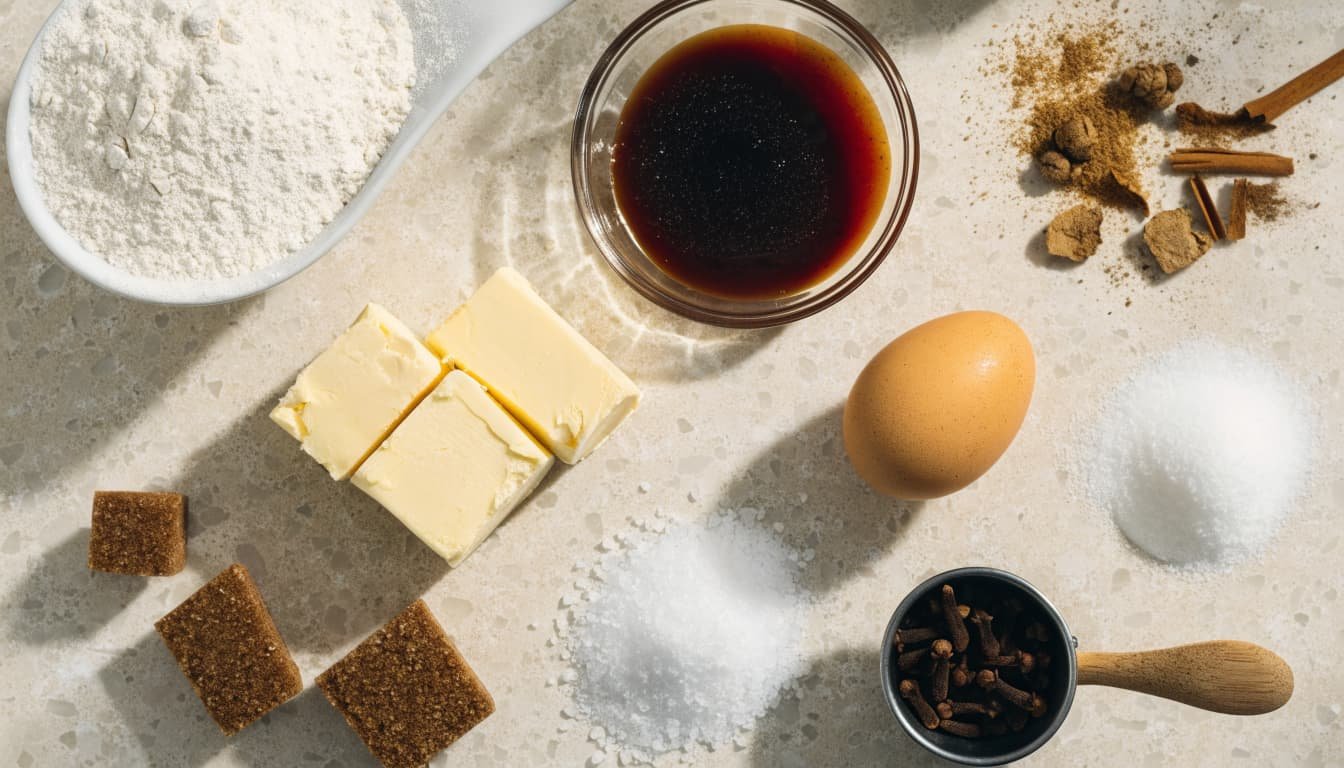
Choose molasses and spices for a warm, balanced taste
Use unsulphured light or regular molasses for a rounded flavor that doesn’t overpower the spices. Blackstrap has a stronger, more bitter taste and changes the balance of this dough.
Ginger leads the flavor, while cinnamon softens its sharpness. Add the optional cloves or nutmeg if you want a little more warmth, but keep the amount small so the ginger remains noticeable.
Read also: Easy Gingerbread Man Recipe With Simple Ingredients and Sweet Icing
Use brown sugar, butter, and the right amount of flour
Brown sugar adds moisture and a deeper sweetness, while butter brings richness. The butter should yield to gentle pressure without looking oily or partly melted, which helps it cream evenly with the sugar.
Measure flour with a scale when possible. Otherwise, spoon it into the measuring cup and level the top without packing it down.
King Arthur Baking’s gingerbread cookie guidance also cautions against adding extra flour before chilling soft dough. Too much flour makes the finished cookies drier, and extra mixing can make them tough.
How to make soft and chewy gingerbread cookies, step by step
Prepare the dough first, then leave enough time for a full chill before rolling.
Whisk the dry ingredients and mix the dough
- Whisk the flour, baking soda, salt, ginger, cinnamon, and optional cloves or nutmeg in a medium bowl.
- Beat the softened butter and brown sugar in a separate bowl for 2 to 3 minutes, until lighter and fluffy. Scrape the bowl, then beat in the egg and molasses.
- Add the dry ingredients gradually on low speed. Stop when no dry streaks remain, scraping the bottom once to catch hidden flour. The dough will feel soft; don’t add flour to firm it.
Chill, roll, and cut the cookies
- Divide the dough into two portions, flatten into disks, and wrap tightly. Refrigerate for at least 2 hours, until firm enough to roll.
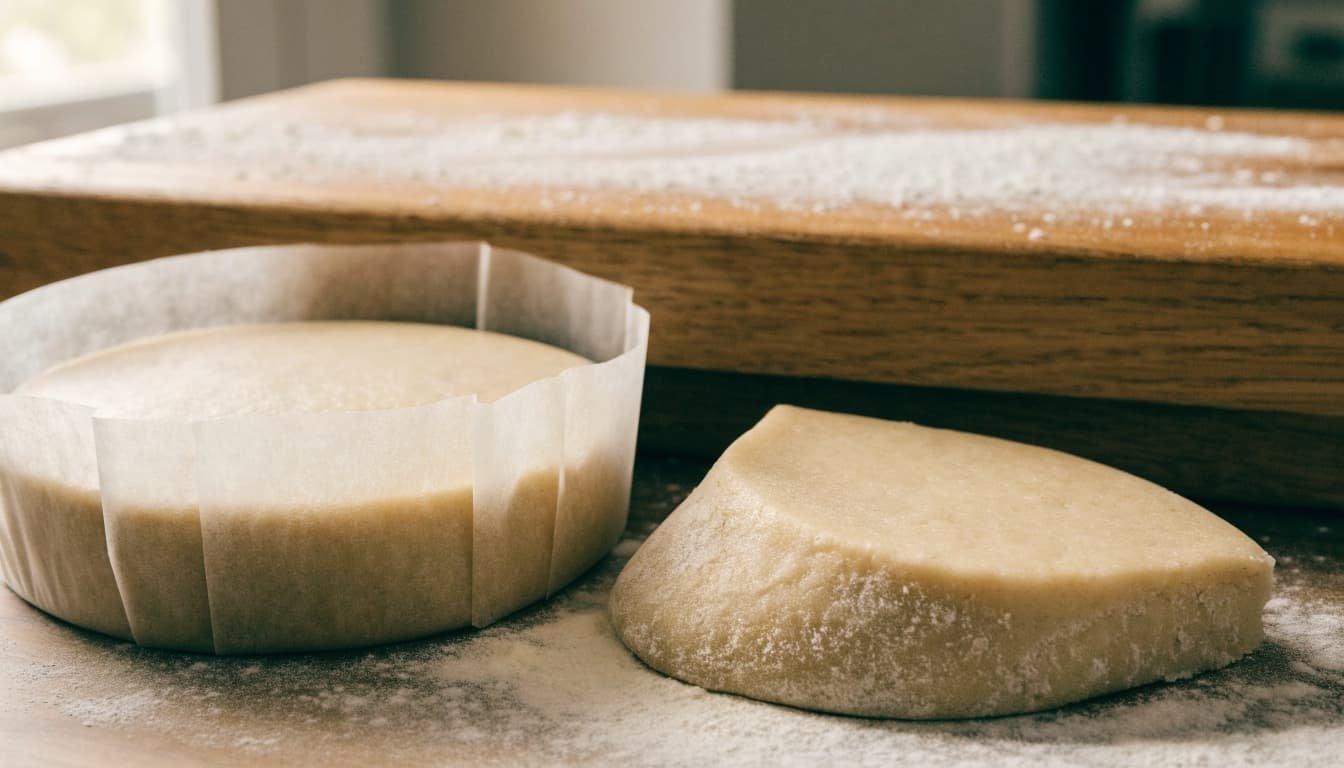
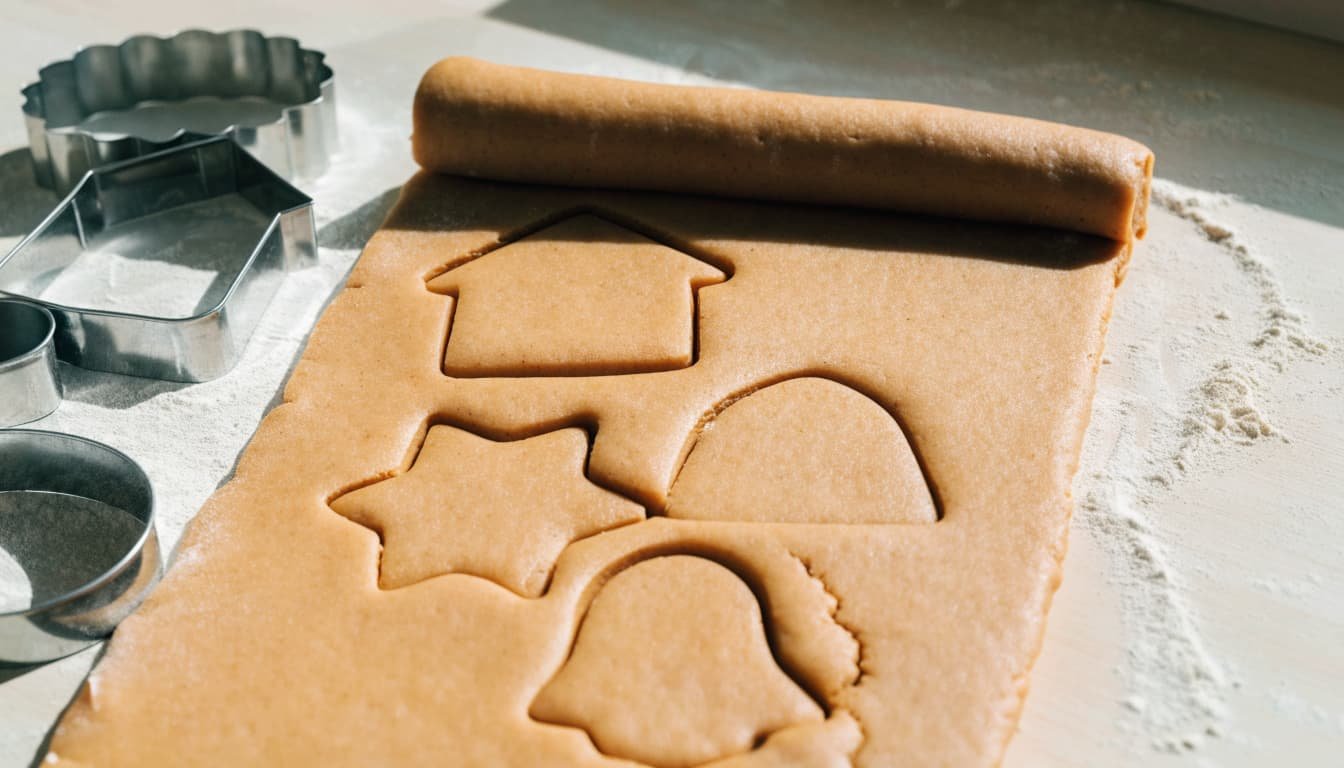
- Heat the oven to 350°F and line baking sheets with parchment. Roll one disk on a lightly floured surface to ¼ inch thick, keeping the other cold.
- Cut shapes and transfer them to the sheets, leaving about 2 inches between cookies. Roll and cut promptly, as Jessica Gavin recommends in her gingerbread cookie method. Refrigerate soft cutouts for 10 to 15 minutes before baking.
Bake just until the edges are set
- Bake one sheet at a time on the middle rack for about 8 to 10 minutes. Begin checking early for small shapes. Remove when the edges are set and the centers still look slightly soft, not wet.
Leave the cookies on the sheet for 5 minutes, then transfer them carefully to a rack. They continue to set during cooling, so avoid lifting them immediately.
Simple ways to keep gingerbread cookies soft and chewy
A little care with thickness and temperature makes the texture more consistent. Use your first tray to judge timing, then adjust later batches if your cutters produce smaller or larger cookies.
Avoid overbaking and uneven dough thickness
Roll the center and edges of the dough to the same thickness. Group similar-sized shapes on each sheet so a small star doesn’t dry out while a large gingerbread person finishes baking.
The dark dough makes browning harder to judge. Watch for set edges rather than waiting for browned tops or completely firm centers.
A cookie with narrow arms or pointed tips can dry out at those edges before its wider center firms.
Use a cooled baking sheet for each new batch. A hot sheet softens the butter before the cookies reach the oven and can cause spreading.
Fix dough that is sticky, stiff, or crumbly
If the dough sticks to your cutter or stretches during transfer, chill it longer. Dust the surface and rolling pin lightly rather than working repeated handfuls of flour into the dough.
Cold dough can crack when you first roll it. Let it stand at room temperature for 5 to 10 minutes, then try again before adding anything.
Gather scraps gently and roll them together once more. Keep unused portions wrapped and cold so they stay workable without drying around the edges.
Make ahead, store, and freeze the dough or baked cookies
Wrap dough disks tightly and refrigerate for up to 3 days. If you’re baking several trays for a gathering, mixing ahead leaves only the rolling and baking for the day you serve them.
For longer storage, wrap each disk in plastic wrap, then place it in a freezer bag. Freeze for up to about 3 months and thaw overnight in the refrigerator before rolling.

Let baked cookies cool completely before adding icing or packing them away. Trapped warmth creates condensation, which can make the surfaces damp and soften decorations.
Store cooled cookies in an airtight container at room temperature and enjoy within about 5 days for the best texture. Freeze undecorated cookies in a sealed container for up to 3 months, separating layers with parchment.
Thaw baked cookies while covered, then decorate once they’re at room temperature. Keep them separate from strongly flavored treats during storage so the spices remain clear.
For a mixed cookie plate, our pumpkin snickerdoodles with creamy icing offer a milder spiced option alongside the molasses-rich gingerbread.
Frequently Asked Questions
Can I make the dough ahead of time?
Yes, keep well-wrapped dough refrigerated for up to 3 days. Flatten it into disks before storing so it softens evenly when you’re ready to roll.
If it feels too firm, leave it on the counter briefly rather than forcing the rolling pin through it.
Can I freeze gingerbread cookie dough?
Yes, freeze tightly wrapped dough for up to about 3 months. Add a freezer bag or another protective layer to limit drying, then thaw overnight in the refrigerator.
Avoid thawing it with heat, which can leave the outside soft while the middle remains frozen.
Why did my gingerbread cookies turn out hard?
Overbaking is a common cause, especially with small cutters or thin dough. Remove cookies when the edges are set but the centers still look soft.
If every batch is dry, also consider whether the flour was packed into the measuring cup.
Can I use blackstrap molasses?
Some recipes are designed for blackstrap, but its strong, bitter flavor can overwhelm these cookies. Use unsulphured light or regular molasses for the milder balance intended here.
Changing the molasses changes the flavor even when the measured amount stays the same.
How do I make the cookies crisp instead of chewy?
Roll the dough thinner, about ⅛ inch, or extend baking slightly. Change one factor at a time so you can judge the result.
Thin cookies brown faster, so watch closely near the end and let them cool before deciding whether they’re crisp enough.
A Tender Batch to Share
For soft homemade gingerbread cookies, give the dough a full chill, roll it evenly, and watch the edges during baking. The slightly soft centers will firm as the cookies cool without losing their chew.
Enjoy them plain if you want the spices to lead, or add simple icing after they’ve cooled completely. With the dough made ahead, this becomes a manageable bake for a holiday plate or an ordinary afternoon treat.
Save the pin for later


I’m the creator of My Everyday Dish, a food blog focused on easy homemade recipes, comforting family meals, simple baking, and seasonal food ideas. I love finding practical ways to make everyday cooking less stressful and more enjoyable. Here, I share recipes with simple ingredients, clear instructions, and plenty of flavor, helping you make delicious meals and treats you’ll feel confident serving at home.
Leave a Reply