
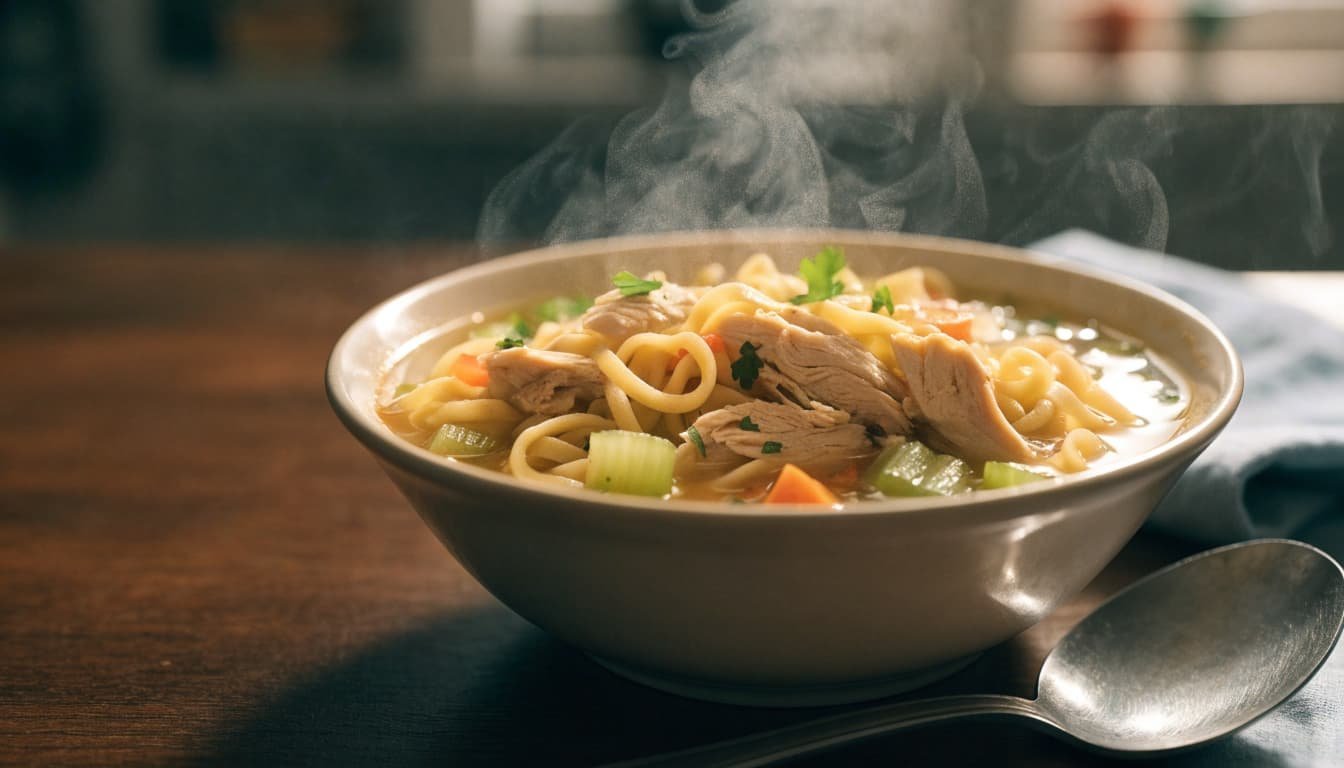
A warm bowl of chicken noodle soup brings familiar comfort, especially when the chicken shreds easily and the noodles stay tender. This Instant Pot chicken noodle soup pairs savory broth with fresh egg noodles that you can make without a pasta machine.
The cooking order makes the difference: pressure-cook the chicken and vegetables, then simmer the noodles afterward. Make the dough before starting the soup, then roll and cut it while the cooker works.
The Best Instant Pot Chicken Noodle Soup With Homemade Egg Noodles
This recipe uses boneless chicken, a simple vegetable base, and chicken stock. Expect tender shredded meat, softened carrots, and noodles with a little bite.
The chicken cooks for 10 minutes on High Pressure, followed by 10 minutes of natural release. Those numbers don’t include sautéing, building pressure, releasing remaining pressure, or simmering the noodles. Leave room for those stages rather than treating the pressure timer as the full cooking time.
For a longer, hands-off cooking option, our slow cooker chicken noodle soup uses a similar chicken and vegetable base. Keep its cooking schedule separate from this pressure-cooker method.
What You’ll Need for the Soup and Fresh Noodles
Gather the soup ingredients before mixing the dough. Once the cooker is sealed, you’ll have time to finish shaping the noodles.
Chicken and Broth
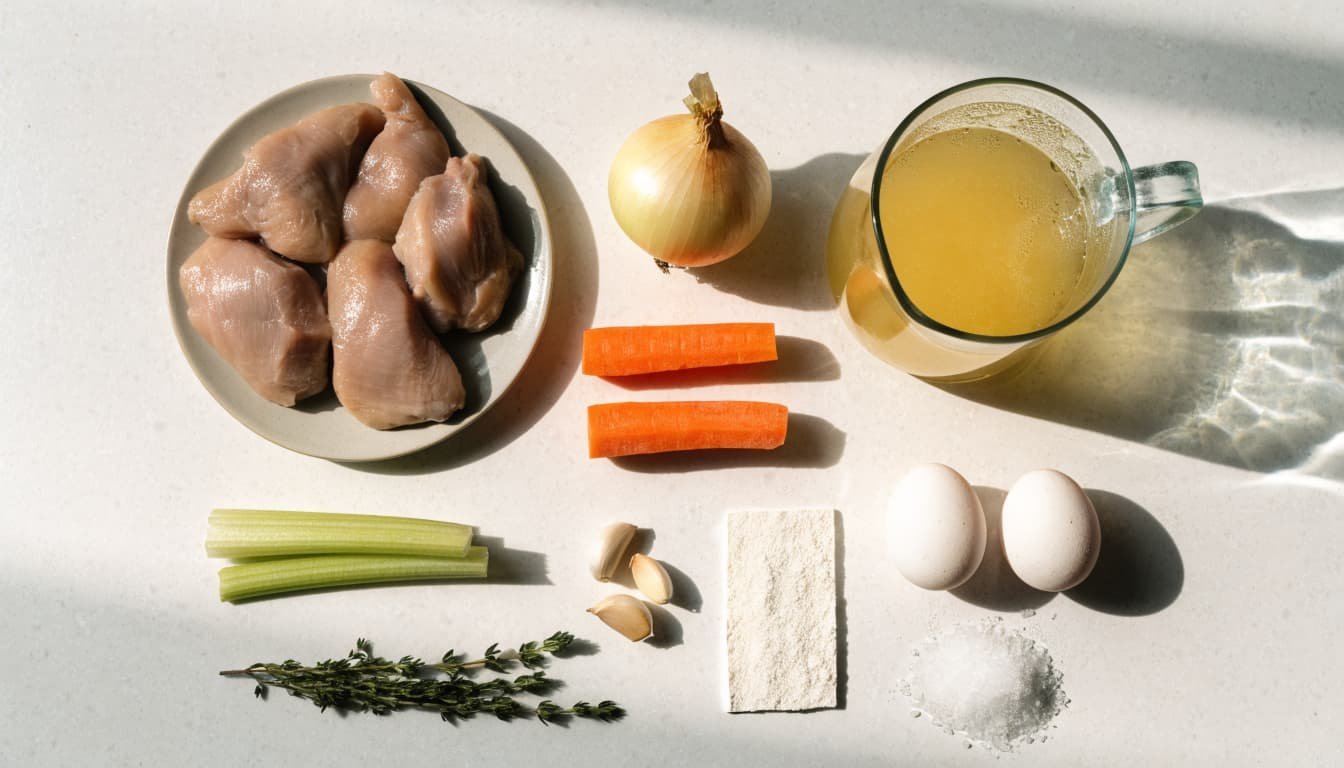
Use 2 pounds of fresh boneless, skinless chicken breasts, 4 cups of chicken stock, and 2 cups of water. Choose low-sodium stock so you can adjust the salt after cooking.
Keep additional broth available for thinning the finished soup. Fresh noodles release starch and absorb liquid, so the broth becomes fuller as they cook.
Read also: Creamy Fall Crockpot Potato Soup for Cozy Nights
Vegetables and Seasonings
You’ll need onion, carrots, celery, garlic, thyme, bay leaf, black pepper, and salt. Use olive oil or butter for sautéing, then save chopped parsley for serving.
Cut the vegetables into similar pieces so they soften evenly. Fresh thyme gives the broth a gentle herbal flavor, while parsley adds a fresher note near the end.
Homemade Egg Noodle Dough
Set out 2 cups of all-purpose flour, beaten eggs, kosher salt, and water. Keep extra flour nearby for dusting.
Add the egg gradually until the flour gathers into a firm dough. Thinly rolled noodles become tender quickly; thicker strips have more chew and need longer in the broth.
How to Make Simple Homemade Egg Noodles
Mix, Knead, and Rest the Dough
Combine the flour with a pinch of salt in a mixing bowl. Make a well in the center, then gradually stir in beaten egg with a fork.
Stop adding egg when the mixture forms a stiff, shaggy dough. If dry flour won’t come together, add a little water at a time rather than soaking the mixture.
Turn the dough onto a lightly floured surface and knead until smooth and firm. Cover it and let it rest for about 15 minutes, which makes rolling easier.
Read also: 10 Homemade Broth Based Tortellini Soup Recipes
Roll and Cut Even Strips
Divide the dough into manageable pieces, keeping unused portions covered. Roll each piece thin enough that it bends easily without feeling bulky.
Cut into narrow, even strips, then shorten them to a comfortable spoonful length. Dust lightly with flour and separate the strands so they don’t stick together.
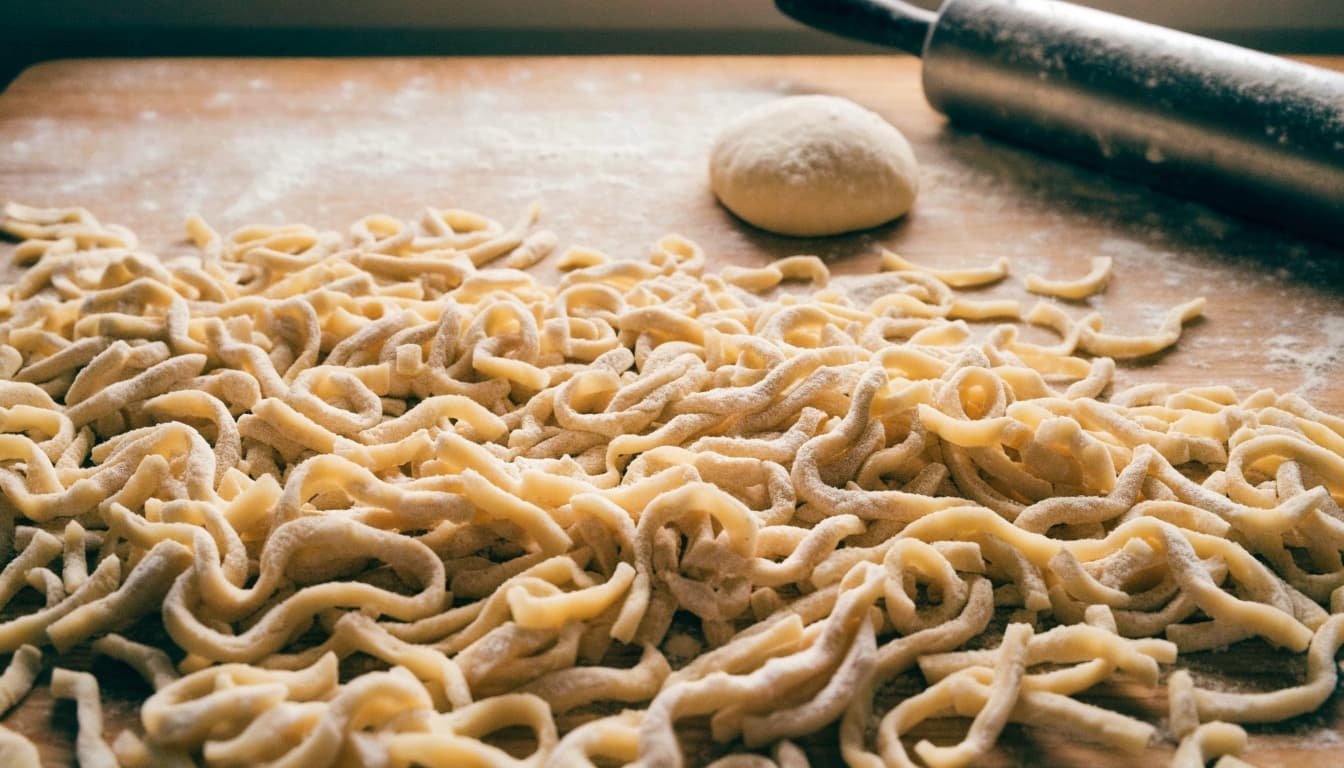
Shake off loose flour before cooking so it doesn’t make the broth unnecessarily thick. Keep the noodles covered if the soup isn’t ready yet.
Fresh noodles cook faster than dried noodles, but thickness matters more than a fixed timer. Start checking early once they enter the simmering broth, and stop when the center is tender.
How to Make Instant Pot Chicken Noodle Soup Step by Step
Use the pressure stage for the chicken and vegetables, then finish uncovered. Keep the fresh noodles out of the pot until the chicken is cooked and shredded.
Sauté the Vegetables and Build the Broth
1. Select Sauté and add enough olive oil or butter to coat the bottom. Stir in the onion, carrots, and celery, then cook until the onion softens. Stir regularly so the vegetables don’t catch underneath.
Add the garlic and thyme, then stir briefly until fragrant. Garlic burns faster than the larger vegetables, so don’t leave it sitting against the hot insert.
2. Pour in some stock and scrape the bottom thoroughly with a wooden spoon. Loosen every browned patch before adding the remaining stock, water, bay leaf, pepper, and a little salt. Add the raw chicken.
A clean pot bottom reduces the chance of a burn warning. Keep everything below your cooker’s maximum fill line, with no flour or noodles added yet.
Pressure-Cook the Chicken, Then Shred It
3. Cancel Sauté, secure the lid, and set the valve to sealing according to your model. Select High Pressure for 10 minutes. The cooker must build pressure before the countdown begins, so expect a separate heating period.
Leave the cooker undisturbed for 10 minutes after cooking ends. Carefully release the remaining pressure, keeping your face and hands away from the steam. Open only after the pressure indicator drops.
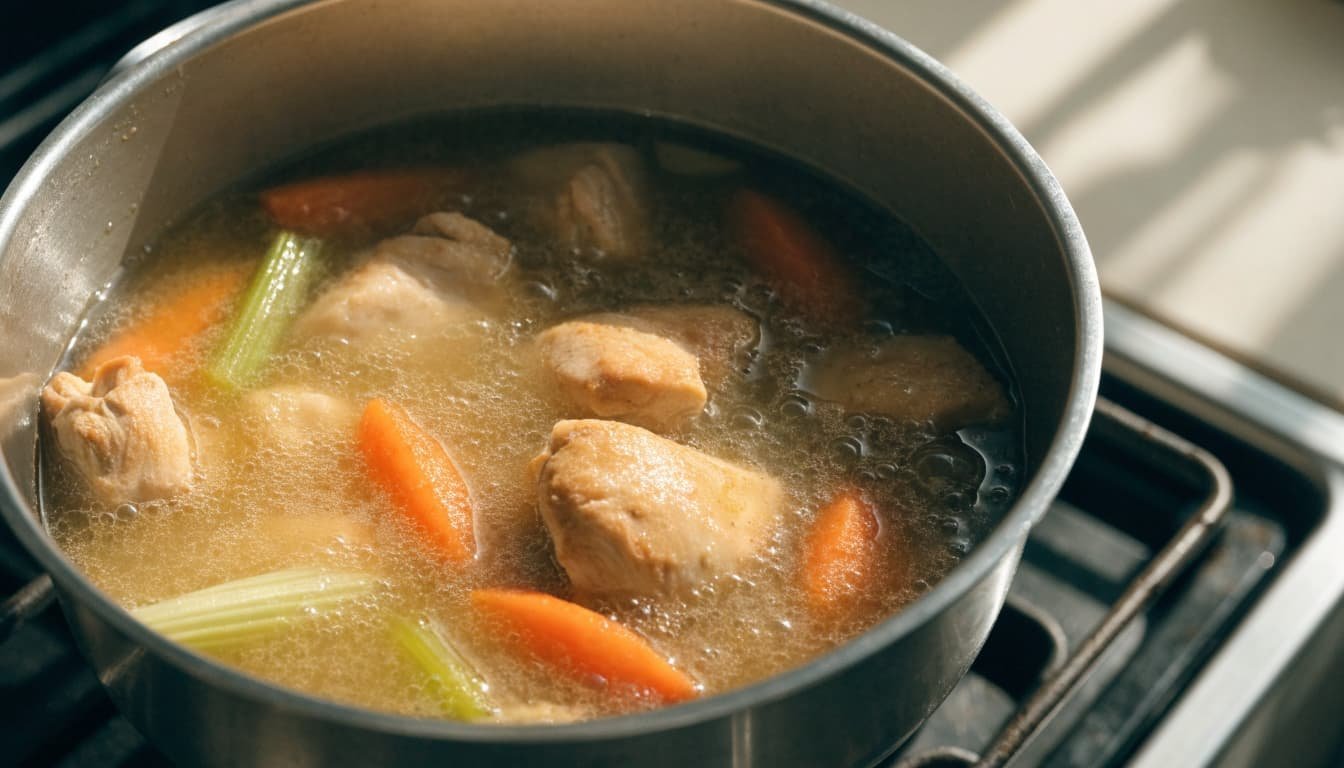
4. Check the thickest part of the chicken with a food thermometer. The USDA poultry temperature guidance calls for 165°F. If needed, continue cooking the chicken in the simmering broth until it reaches that temperature.
Transfer the cooked chicken to a plate, remove the bay leaf, and shred the meat with two forks. Return the chicken and its juices to the pot.
Simmer the Fresh Noodles Just Until Tender
5. Select Sauté again and bring the broth to a gentle simmer. Add the noodles in small batches, stirring gently after each addition so the strands separate. Reduce the heat setting if the broth boils hard.
6. Check a noodle frequently as it cooks. The center should feel tender, without a firm, floury bite, while the strip still holds its shape.
Cancel Sauté once the noodles are ready. Taste the soup, adjust the seasoning, and serve promptly. Leaving fresh noodles in hot broth continues softening them even after the heat is off.
Easy Ways to Serve, Adjust, and Store the Soup
Finish the Broth to Taste
Stir in chopped parsley and add black pepper if you want a little more warmth. Taste before adding salt, since the stock and noodle dough both contribute seasoning.
Add extra hot broth if the soup feels too thick. For a lighter bowl, use fewer noodles and save the remaining uncooked strips for another meal.
Cool and Reheat Leftovers
Refrigerate the soup within two hours, divided among shallow containers rather than left in the cooker insert. The USDA’s leftover storage guidance covers cooling and reheating cooked food safely.
Use refrigerated soup within 3 to 4 days. Reheat it to 165°F, bringing the broth to a rolling boil and stirring so it heats evenly.
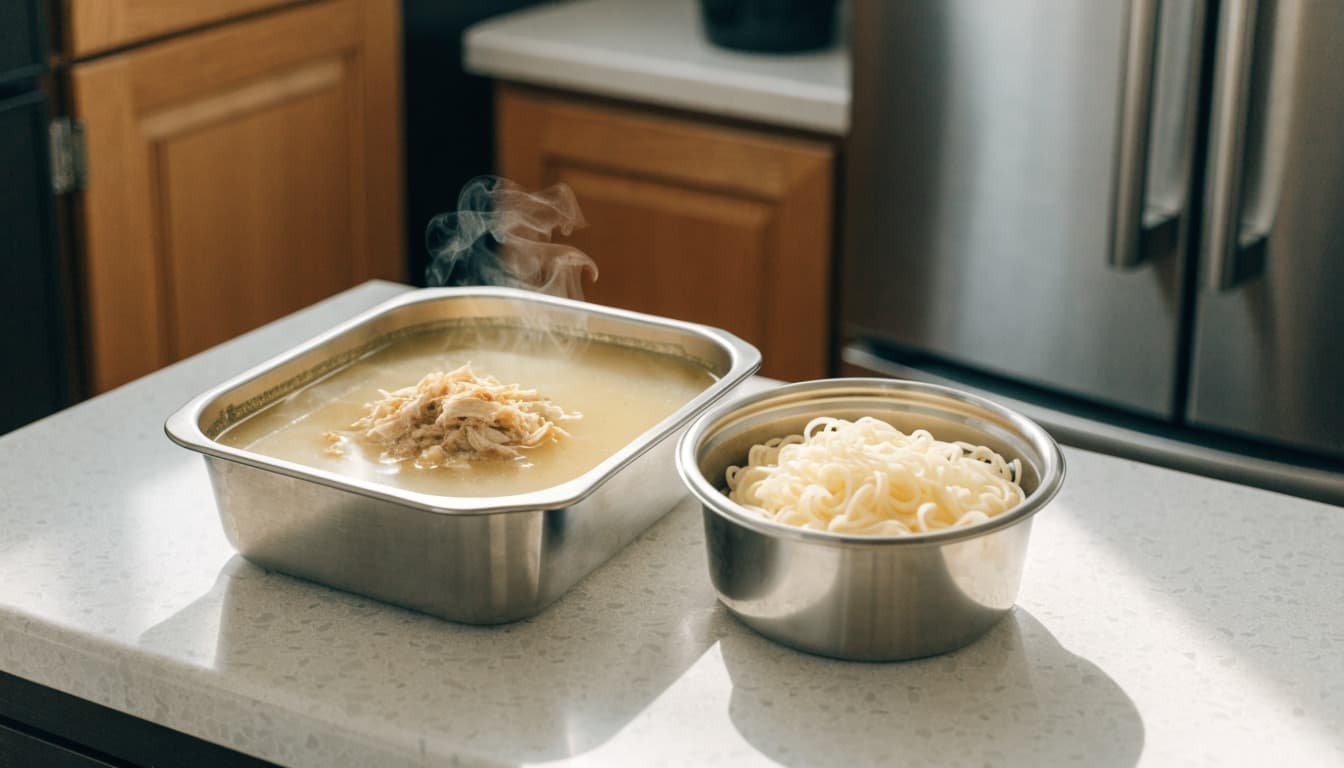
Store noodles separately when possible, adding them to individual servings. If they’re already mixed into the soup, add broth during reheating to replace what they’ve absorbed. Expect reheated noodles to be softer than freshly cooked ones.
Frequently Asked Questions
Can I Use Frozen Chicken?
Frozen chicken needs a separate timing plan, not the fresh-chicken setting above. For separated frozen boneless breasts, use 12 minutes on High Pressure, followed by 10 minutes of natural release and a careful release of remaining pressure. Check that the thickest piece reaches 165°F, continuing cooking if needed; this timing isn’t for a solid frozen block.
Can I Use Dried Egg Noodles Instead?
Yes, add dried egg noodles after pressure cooking and shredding the chicken. Use the package timing as a starting point, then check for tenderness. Dried noodles generally take longer than thin fresh noodles and may need additional broth.
Can I Make the Egg Noodles Ahead?
Yes, prepare the dough or cut noodles ahead and keep them covered and chilled until you’re ready to cook. Freeze them for longer storage, spreading cut noodles apart before transferring them to a freezer container. Add frozen noodles directly to simmering broth and allow a little extra cooking time.
Why Are My Noodles Too Soft?
Overcooking is the usual cause, especially when fresh noodles go through the chicken’s pressure cycle. They also soften while sitting in hot broth after cooking. Add them near serving time, check frequently, and stop heating as soon as they’re tender.
Can I Freeze Chicken Noodle Soup?
The chicken and broth freeze well, but cooked noodles often soften after thawing. Freeze the soup without noodles when possible, then cook a fresh batch when serving. If the noodles are already mixed in, freeze the soup knowing their texture will be softer.
A Warm Bowl With Tender Homemade Noodles
The Instant Pot handles the chicken and broth while you roll and cut the noodles. Keeping those stages separate gives you tender meat without losing the noodles’ shape.
Prepare the dough before cooking, then finish the strips while the soup is under pressure. Add them near serving time and enjoy the soup fresh, when the broth is savory and the noodles still have a little bite.
Save the pin for later

I’m the creator of My Everyday Dish, a food blog focused on easy homemade recipes, comforting family meals, simple baking, and seasonal food ideas. I love finding practical ways to make everyday cooking less stressful and more enjoyable. Here, I share recipes with simple ingredients, clear instructions, and plenty of flavor, helping you make delicious meals and treats you’ll feel confident serving at home.
Leave a Reply