
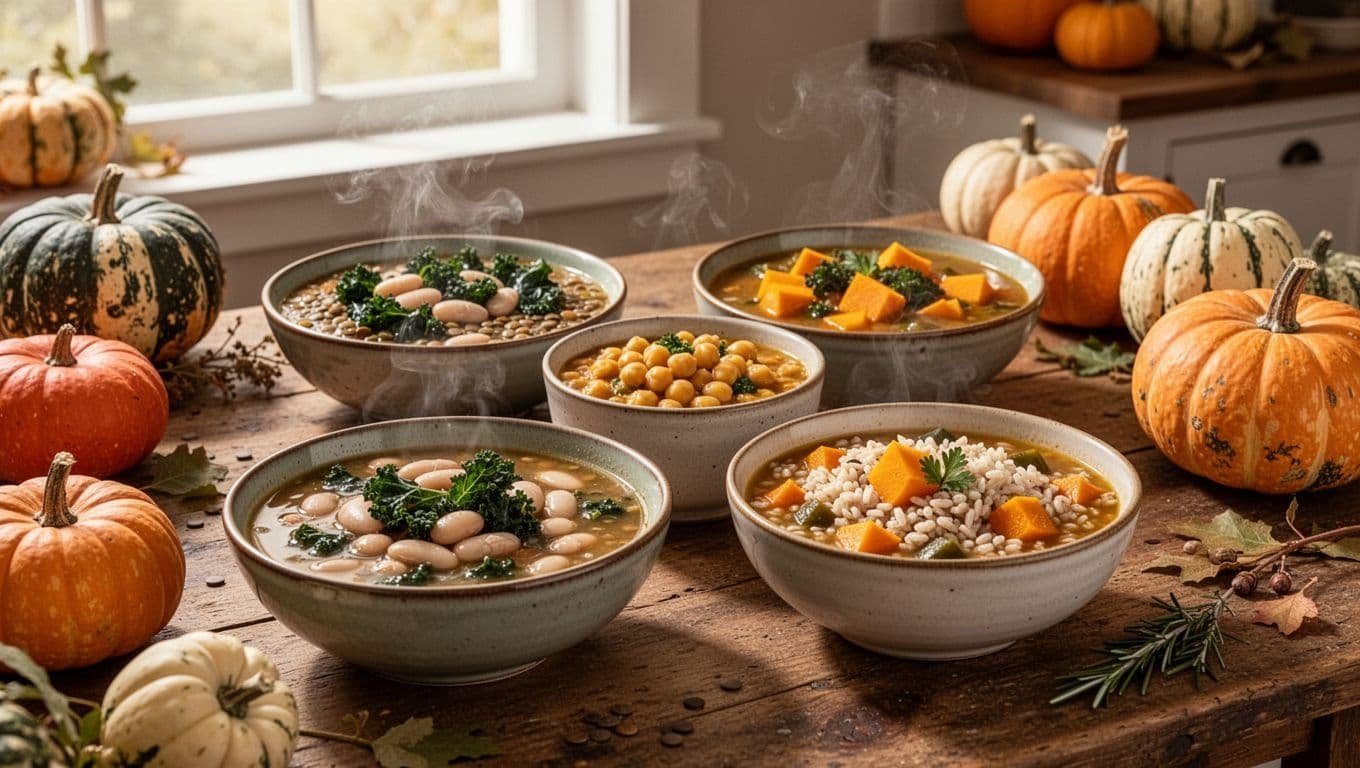
Few things feel better on a cool fall day than sitting down to a warm bowl of soup or stew. These cozy meals can make family dinners easier because one pot can bring together seasonal produce, filling ingredients, and plenty of flavor without creating a sink full of dishes.
Soups and stews also work well for meal prep. Many keep well in the refrigerator, taste even better the next day, and can be adjusted to suit different preferences at the table. This collection features 12 healthy autumn soups and stews made with vegetables, beans, whole grains, chicken, turkey, and mushrooms. Each recipe focuses on fiber, lean protein, low-sodium broth, and satisfying flavor from herbs, spices, garlic, and other simple ingredients rather than heavy cream or excess salt.
You’ll also find clear, patient, numbered cooking steps, along with practical ingredient swaps for vegetarian, dairy-free, and other dietary needs. Start with these comforting recipes for easy seasonal meals your family will want to make again.
Healthy Autumn Soups and Stews Everyone Will Love
These four soups turn fall produce into easy family meals with smooth textures, gentle spices, and simple preparation. Each recipe makes about four servings and relies on vegetables, broth, herbs, and modest amounts of healthy toppings instead of heavy cream.
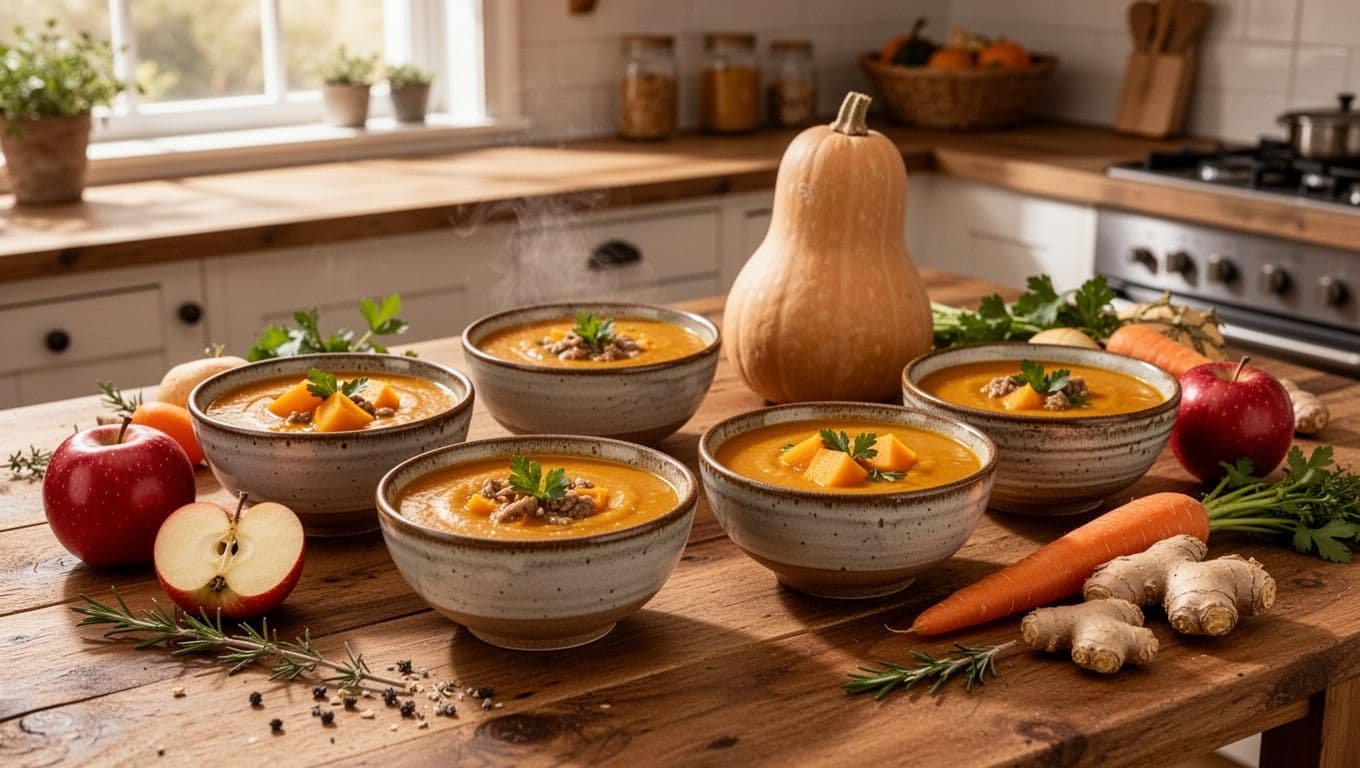
1. Pumpkin and Apple Soup With Sage
Tart apple balances pumpkin’s mellow sweetness, while sage adds a warm, savory flavor. The soup provides fiber and vitamin-rich produce, and Greek yogurt or pumpkin seeds can add protein and texture.
Key ingredients: pumpkin puree or roasted pumpkin, one tart apple, onion, garlic, carrot, low-sodium vegetable broth, olive oil, and fresh or dried sage.
- Warm a small amount of olive oil in a pot. Add chopped onion, carrot, and garlic, then cook until the vegetables soften, about five minutes.
- Stir in the pumpkin, peeled apple, sage, and broth. Bring the mixture to a gentle simmer and cook until the carrot and apple are tender.
- Blend the soup in batches, filling the blender only partway and venting the lid to release steam. Return it to the pot and season with black pepper and a little salt.
- Serve with Greek yogurt or toasted pumpkin seeds if desired. Cream isn’t needed for a silky texture because blended pumpkin and carrot provide plenty of body.
2. Butternut Squash and Carrot Soup
Butternut squash and carrots create a naturally sweet, creamy soup with fiber and beta carotene. Canned squash can shorten the cooking time, although fresh squash gives the soup a fuller roasted flavor.
Key ingredients: peeled butternut squash, carrots, onion, garlic, low-sodium broth, olive oil, black pepper, parsley, and an optional pinch of nutmeg.
- Cut the squash into even cubes, taking care with the firm skin and using a stable cutting board. Slice the carrots and chop the onion and garlic.
- Heat olive oil in a soup pot. Sauté the onion and garlic until fragrant, then add the squash, carrots, and broth.
- Cover and simmer patiently until the vegetables are very soft, usually 20 to 30 minutes. Add canned squash later in the process because it needs less cooking.
- Blend in batches until smooth, then return the soup to the pot. Finish with black pepper, parsley, or a small pinch of nutmeg.
3. Pumpkin Ginger Soup With Warm Spices
Fresh ginger gives this savory pumpkin soup a gentle bite, while cumin or cinnamon adds warmth without overwhelming the vegetables. Lemon juice brightens the finished bowl, and a small splash of coconut milk works well for a dairy-free variation.
Key ingredients: pumpkin puree, onion, garlic, fresh ginger, low-sodium broth, cumin, cinnamon, olive oil, and lemon juice.
- Cook the onion, garlic, and grated ginger in olive oil until soft. Add cumin and cinnamon, stirring for about 30 seconds so the spices release their aroma.
- Pour in the pumpkin and broth. Simmer for 15 to 20 minutes so the flavors combine.
- Blend the soup until smooth, or leave it slightly chunky for a more rustic texture. Stir in lemon juice and taste before adding salt.
- Add a small amount of coconut milk if you want extra richness. Keep it as an accent rather than the main base so the pumpkin flavor stays clear.
Read also: 12 Healthy Vegetarian Soup Ideas for Dinner
4. Butternut Squash and Apple Soup With Sage
Roasting brings out caramelized flavor in the squash and apple, making this soup taste special without extra fat. Use pre-cut squash when you need a faster dinner, and choose vegetable broth for a fully vegetarian meal.
Key ingredients: butternut squash, apple, onion, sage, garlic, broth, olive oil, and black pepper.
- Toss cubed squash, apple, onion, garlic, and sage with a little olive oil. Roast at 425°F until tender and lightly browned, about 25 to 30 minutes.
- Transfer the roasted mixture to a pot and add enough broth to cover it. Simmer for 10 minutes. If using pre-cut squash, skip the peeling and chopping.
- Blend carefully in batches until smooth, then adjust the consistency with more broth if needed.
- Season with black pepper and a small amount of salt. Vegetable broth keeps the recipe vegetarian, while chicken broth adds a richer savory note.
Hearty Fall Soups With Beans, Lentils, and Whole Grains
Beans, lentils, and whole grains make autumn soups filling enough for a main meal. They add plant protein, fiber, and complex carbohydrates, while vegetables and herbs keep each bowl fresh and flavorful. For nutrition details, you can check ingredient entries in USDA FoodData Central.
5. Lentil Vegetable Stew With Carrots and Herbs
Brown or green lentils give this stew an earthy flavor and hearty texture. Carrots, celery, tomatoes, thyme, and garlic create a savory base without needing cream or excess oil.
- Rinse 1 cup of brown or green lentils under cool water. Pick out any small stones or shriveled lentils, then drain them well.
- Heat olive oil in a large pot. Add chopped onion, carrots, celery, and garlic, then cook until the vegetables begin to soften, about five minutes.
- Stir in diced tomatoes, low-sodium broth, rinsed lentils, thyme, and black pepper. Bring the mixture to a gentle boil.
- Reduce the heat, cover the pot partially, and simmer until the lentils are tender, usually 25 to 35 minutes. Stir occasionally and add broth if the stew becomes too thick.
- Check the texture before serving. The lentils should feel tender but hold their shape. Stir in spinach or chopped kale during the final few minutes for extra color and nutrients.
6. White Bean and Kale Soup
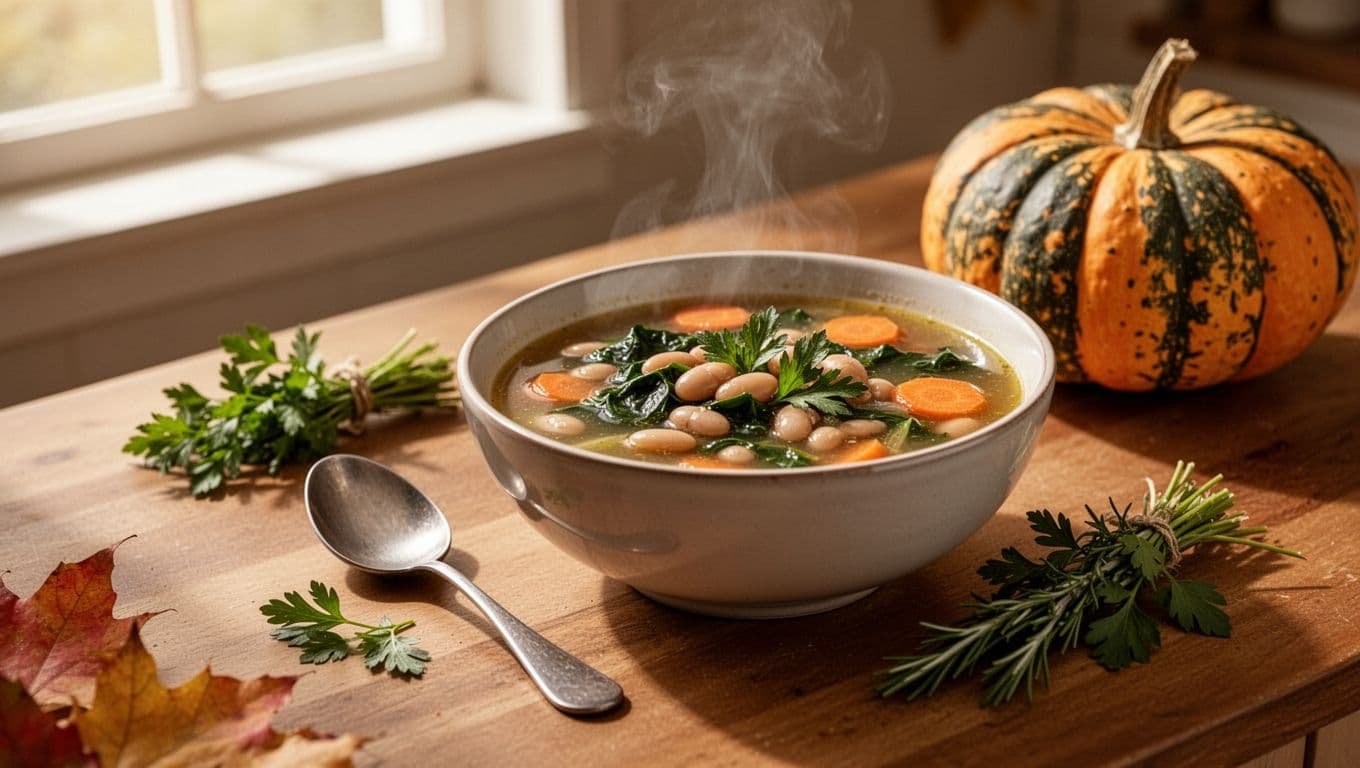
Creamy white beans give this soup body without dairy, while kale adds a fresh, slightly bitter contrast. Italian herbs, garlic, and tender carrots make each spoonful taste familiar and comforting.
- Drain and rinse two cans of white beans in a colander. Rinsing removes the canning liquid and helps reduce excess sodium, even when you choose a low-sodium variety.
- Cook diced onion, carrots, and garlic in olive oil until the onion softens. Add Italian herbs, such as oregano, basil, or rosemary.
- Pour in low-sodium vegetable broth and add most of the beans. Simmer for 15 to 20 minutes so the vegetables become tender.
- Mash about one-third of the beans against the side of the pot, or blend a small portion of the soup. This thickens the broth while leaving plenty of whole beans.
- Stir in chopped kale near the end and cook until it turns bright green and tender, about three to five minutes. Keep the soup vegetarian with vegetable broth, or add sliced lean chicken sausage. Check the sausage and broth labels because sodium levels vary.
Read also: Easy Slow Cooker Chicken Tortellini Soup Recipe
7. Chickpea and Squash Soup
Chickpeas pair well with sweet butternut squash or pumpkin in this colorful fall soup. Parsley keeps the flavor bright, while sage adds a warmer, more traditional autumn note.
- Chop the onion and garlic, then cut butternut squash into small, even cubes. Canned pumpkin can replace part or all of the squash for faster preparation.
- Sauté the onion and garlic in a soup pot until softened. Add the squash, diced tomatoes, broth, and parsley or sage.
- Cover and simmer until the squash is fork-tender, about 20 minutes. Add a splash of broth if the vegetables begin to stick.
- Drain and rinse canned chickpeas, then add them during the last 10 minutes. They are already cooked, so adding them too early can make them lose their texture.
- Blend about one-quarter of the soup with an immersion blender, leaving the rest chunky. Taste, adjust the seasoning, and serve with whole-grain bread.
8. Barley Vegetable Soup
Pearl barley brings a pleasantly chewy texture and complex carbohydrates to this vegetable soup. Mushrooms add savory depth, while green beans offer a lighter, crisp contrast.
- Sauté onion, carrots, celery, and garlic in olive oil until the aromatics soften. Add diced tomatoes, broth, and pearl barley.
- Simmer the barley early, before adding quick-cooking vegetables. It usually needs 25 to 35 minutes, depending on the brand.
- Add mushrooms or green beans once the barley has started to soften. Continue cooking until the grain is tender and the vegetables retain some texture.
- Check the liquid level as the soup cooks. Barley absorbs broth quickly, so add more low-sodium broth when needed.
- Season with black pepper and herbs at the end. The soup thickens as it stands, so add extra broth when reheating leftovers to restore a spoonable consistency.
Comforting Chicken, Turkey, and Mushroom Stews for Fall
Lean poultry, beans, mushrooms, and seasonal vegetables make these recipes hearty without relying on heavy cream. Each pot brings bold savory flavor, plenty of texture, and simple ingredients that fit a busy family dinner. You can also use leftover chicken, canned beans, or extra vegetables to make these meals more flexible.
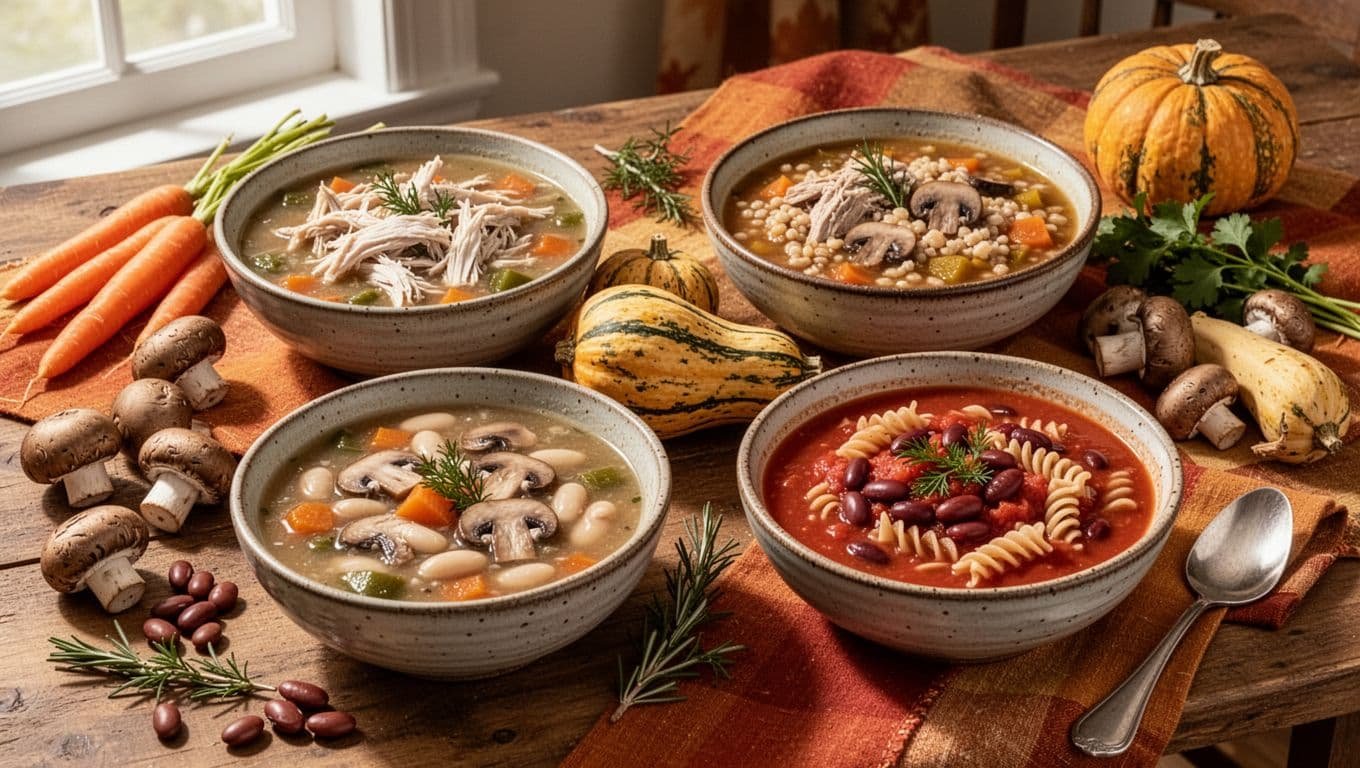
9. Chicken and Autumn Vegetable Soup
Boneless chicken, carrots, celery, onion, garlic, and squash create a light but satisfying fall soup. Fresh thyme, rosemary, or parsley adds flavor without much sodium.
- Heat a little olive oil in a large pot. Brown bite-size boneless chicken pieces for several minutes, turning them so the outside develops color without cooking them all the way through. For poached chicken, place whole pieces directly into the broth instead.
- Remove browned chicken and add chopped onion, carrots, celery, and garlic. Cook until the onion softens, then stir in cubed winter squash.
- Pour in low-sodium chicken broth and add the herbs. Return the chicken to the pot, or poach whole pieces gently in the broth until cooked through.
- Remove whole chicken pieces, shred them with two forks, and return the meat to the soup. Cook until the vegetables are tender.
- Check the thickest piece of poultry with a food thermometer. Chicken must reach 165°F for safety, as recommended by USDA poultry safety guidance.
Leftover cooked chicken is an easy shortcut. Add shredded meat during the final five minutes, just long enough to warm it through. Adding it earlier can make the chicken dry and stringy.
10. Turkey and Vegetable Stew With Whole Grains
Ground turkey keeps this stew lean, while barley adds a pleasantly chewy texture and helps make the pot filling. Turkey pieces also work well if you prefer larger bites.
- Brown ground turkey in a Dutch oven over medium heat, breaking it into small pieces. Cook until no pink remains, then drain excess fat if needed. For turkey pieces, sear them in batches so they brown instead of steam.
- Add chopped onions, carrots, and garlic. Cook until the vegetables soften, scraping up the browned bits from the bottom of the pot.
- Stir in crushed or diced tomatoes, low-sodium broth, barley, black pepper, and herbs such as thyme or oregano.
- Cover the pot partially and simmer until the barley and vegetables are tender. Add extra broth if the grains absorb too much liquid.
- Taste before adding salt. Canned tomatoes and broth may already contain plenty of sodium.
Replace turkey with boneless chicken, or use rinsed white beans for a vegetarian version. Add canned beans during the final 10 minutes so they stay intact.
11. Mushroom and Bean Stew With Garlic and Thyme
Mushrooms provide deep savory flavor, while cannellini beans or lentils add protein and fiber. A portion of mashed beans thickens the stew without dairy.
- Cook sliced mushrooms in olive oil over medium-high heat. Stir occasionally and continue until their moisture evaporates and the edges begin to brown.
- Add chopped onion, carrots, and garlic. Cook until the aromatics soften, then stir in a small amount of tomato paste and fresh or dried thyme.
- Pour in low-sodium broth and add drained cannellini beans or cooked lentils. Bring the mixture to a gentle simmer.
- Cook until the carrots are tender and the broth begins to thicken. Mash some beans against the side of the pot for a creamy texture while leaving the rest whole.
- Taste and adjust the pepper, herbs, and salt. Add spinach or kale during the final few minutes if you have extra greens.
12. Tomato and Bean Soup With Whole-Grain Pasta
Crushed tomatoes, cannellini beans, carrots, and whole-grain pasta create a cozy soup with fiber and staying power. Use gluten-free pasta if needed, preferably a sturdy variety that holds its shape.
- Sauté chopped onion, carrots, and garlic in olive oil until the vegetables begin to soften.
- Add crushed tomatoes, low-sodium broth, Italian herbs, and black pepper. Simmer until the carrots are nearly tender.
- Stir in rinsed cannellini beans, then continue cooking until they are hot.
- Add a small amount of whole-grain pasta near the end. Cook until tender, stirring often because pasta can settle and stick.
- Taste before adding salt, then serve while the pasta is still firm.
For leftovers, cook the pasta separately and add it to each bowl. Pasta continues absorbing broth in the refrigerator, so separate storage keeps the soup from becoming thick and mushy.
Simple Ways to Make These Autumn Soups Healthier and Easier
Small changes can make a soup more nutritious without taking away its cozy flavor. Start with a low-sodium broth, then build taste with garlic, onions, herbs, spices, lemon juice, and black pepper. Compare labels when shopping because sodium levels can vary widely between brands.
Add Flavor and Staying Power
Canned beans are convenient, but drain and rinse them before adding them to the pot. This removes the canning liquid and helps reduce excess sodium. Lentils, chickpeas, white beans, shredded chicken, turkey, and mushrooms can make a vegetable soup filling enough for dinner.
Blended vegetables and beans also create a creamy texture without heavy cream. Puree part of the soup with an immersion blender, or blend cooked squash, pumpkin, carrots, potatoes, or white beans with a little broth. Leave some ingredients whole so the soup still has texture.
Make Easy Ingredient Swaps
You can adjust nearly every recipe for dietary needs without creating a separate meal.
- For a vegetarian soup, use vegetable broth and replace chicken or turkey with beans, lentils, tofu, or extra mushrooms.
- For a vegan version, choose plant-based broth and skip Greek yogurt, cheese, and other dairy toppings. Blended beans or vegetables can add body instead.
- For a gluten-free meal, use certified gluten-free broth and replace barley or regular pasta with rice, quinoa, potatoes, or gluten-free pasta.
- For a dairy-free soup, leave out cream and butter. Olive oil, coconut milk, blended beans, or pureed vegetables can provide richness.
Store and Reheat Soup Safely
Meal prep works best when you divide a large batch into shallow containers. Refrigerate the portions within two hours, and keep them at 40°F or below. The USDA’s leftover food safety guidance recommends using refrigerated leftovers within three to four days.
Freeze extra portions if your family won’t eat them during that window. Label containers with the date, leave room for expansion, and thaw frozen soup in the refrigerator when possible.
Reheat soup to 165°F, checking that it is steaming hot throughout. When using a microwave, cover the container loosely and stir the soup halfway through so cold spots don’t remain. For more cooling detail, USDA’s shallow-container guidance explains why smaller portions cool faster. Never place a cold stockpot of soup in a slow cooker to reheat it. Use the stovetop or microwave first, then transfer the soup to a slow cooker only for keeping it hot.
Frequently Asked Questions
These healthy autumn soups and stews are flexible enough for busy weeknights, meal prep, and family preferences. A few simple choices can improve their texture, nutrition, storage life, and flavor without adding much work.
Can I make these soups and stews ahead of time?
Yes. Most soups and stews taste even better the next day because the broth has time to absorb flavors from the vegetables, beans, grains, herbs, and spices. Cooked grains and pasta may continue absorbing liquid, so add extra broth when reheating or store pasta separately when possible.
For safe cooling, divide the hot soup into shallow containers instead of leaving a large stockpot on the counter. Refrigerate it within two hours, or within one hour if the room temperature is above 90°F. Keep your refrigerator at 40°F or below, use the soup within three to four days, and reheat it to 165°F throughout. The USDA leftovers guide provides additional food-safety details.
Which autumn soup is best for a high-fiber meal?
The lentil vegetable stew is one of the strongest choices because lentils provide substantial fiber along with plant protein. White bean and kale soup, chickpea and squash soup, barley vegetable soup, and tomato and bean soup are also excellent options.
Fiber comes from more than legumes. Vegetables, barley, whole-grain pasta, and leafy greens contribute too, so recipes with several of these ingredients can be especially filling. If a bean or lentil soup feels too hearty as a full bowl, serve a smaller portion with a green salad or a modest side of whole-grain bread.
How can I thicken soup without heavy cream?
Blend part of the cooked vegetables directly into the broth for a smooth, naturally thick texture. This works especially well with pumpkin, squash, carrots, potatoes, and cauliflower because they create body without making the soup taste heavy.
You can also mash some beans against the side of the pot, puree pumpkin or squash with a little broth, or stir in a small amount of cooked barley. Bean puree gives soups a creamy feel, while blended vegetables make them smoother and lighter. Barley adds a thicker, more rustic texture and a pleasant chew.
Can I freeze homemade soups and stews?
Most soups and stews freeze well. Cool the food in shallow containers, then portion it into airtight freezer containers or sturdy freezer bags, leaving room for expansion as the liquid freezes. Label each container with the name and date so older portions don’t get forgotten. For more guidance, see the USDA’s information on freezing food safely.
Thaw frozen soup in the refrigerator, or reheat it directly in a saucepan if the frozen portion fits safely in the pan. Microwave thawing also works when you reheat the soup immediately. Pasta and tender vegetables can soften after freezing, so add freshly cooked pasta, greens, or quick-cooking vegetables during reheating when possible.
How do I lower the sodium in a soup recipe?
Start with low-sodium broth and no-salt-added tomatoes. Drain and rinse canned beans before adding them, since the liquid can contain a significant amount of sodium. You can also replace part of the broth with water and add flavor through garlic, onion, thyme, rosemary, cumin, black pepper, or smoked paprika.
A small amount of vinegar or lemon juice can brighten the soup and make its other flavors stand out. Taste near the end, after the broth and canned ingredients have cooked together, then add salt gradually only if needed. This approach gives you more control than salting heavily at the beginning.
What can I serve with a healthy soup or stew?
Choose a side that adds texture without making the meal too heavy. A green salad, roasted vegetables, whole-grain toast, brown rice, or a small baked potato can round out a lighter vegetable soup.
When the main dish already contains barley, pasta, beans, or lentils, pair it with a simple salad or roasted vegetables instead of another starchy side. A slice of whole-grain toast works well with smooth pumpkin soup, while a crisp salad balances a thick bean stew. Keep portions modest so the soup remains the focus of the meal.
Conclusion
These 12 healthy autumn soups and stews make cool-weather cooking simple, flexible, and satisfying. Creamy vegetable soups offer a smooth, comforting option, while bean-based meals, hearty grains, chicken, turkey, and mushrooms bring more texture and staying power to the table. Each recipe gives you an easy way to enjoy seasonal ingredients without relying on heavy cream or complicated preparation.
Start with the vegetables, beans, grains, or protein you already have, then adjust the recipe to fit your family’s preferences. When you have time, prepare a double batch and freeze extra portions for busy days. Choose one recipe, gather your ingredients, and enjoy a cozy homemade meal that makes the most of autumn’s best flavors.
Save the pin for later

I’m the creator of My Everyday Dish, a food blog focused on easy homemade recipes, comforting family meals, simple baking, and seasonal food ideas. I love finding practical ways to make everyday cooking less stressful and more enjoyable. Here, I share recipes with simple ingredients, clear instructions, and plenty of flavor, helping you make delicious meals and treats you’ll feel confident serving at home.
Leave a Reply