
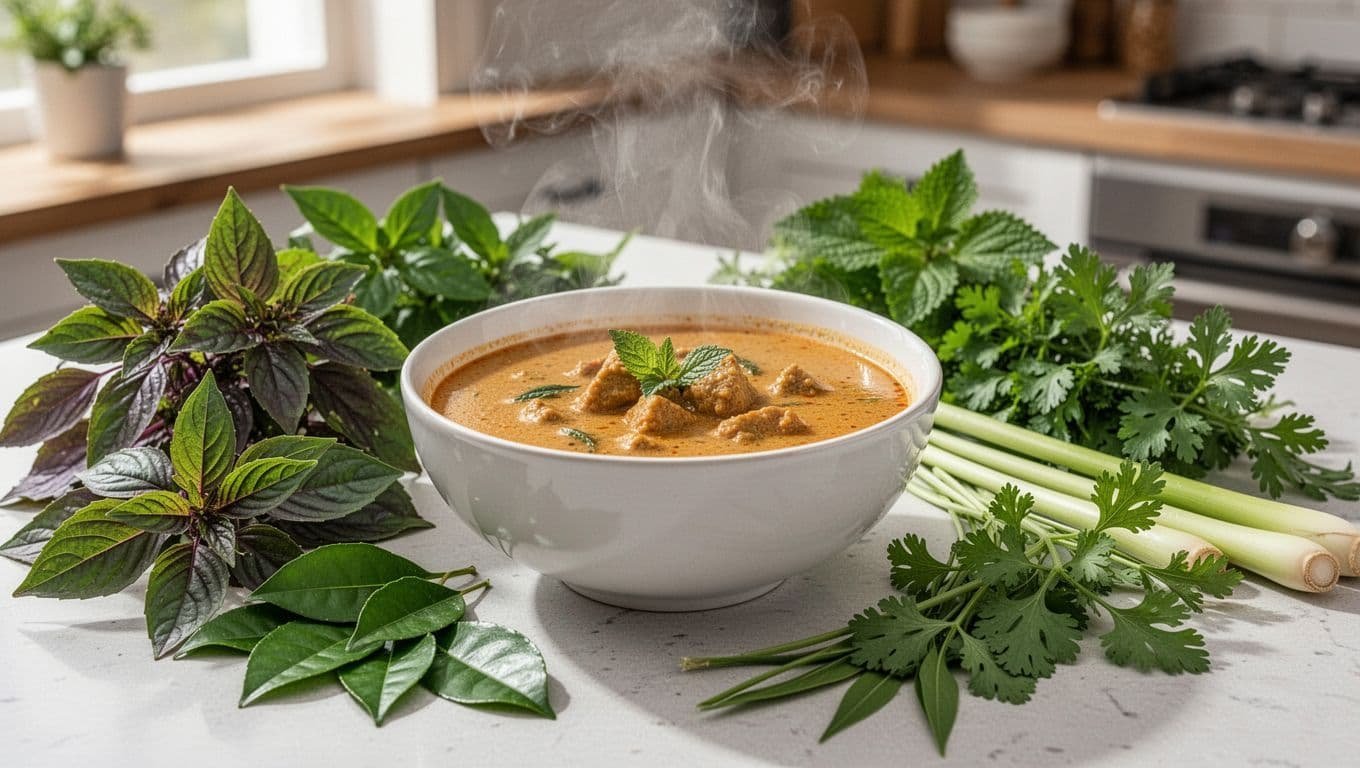
I often reach for herbs when an everyday meal tastes flat. A handful of parsley wakes up scrambled eggs, while a few torn basil leaves can make a simple tomato salad feel finished.
These common culinary herbs cover familiar kitchen staples such as basil and parsley, plus regional favorites including epazote, shiso, and curry leaf. Each one has its own personality, so fresh herbs, dried herbs, and long-cooked herbs don’t belong in the same spot.
Use this list to build flavor with more confidence, one small bunch at a time.
38 Common Culinary Herbs to Keep in Your Kitchen
Fresh leafy herbs for bright flavor and easy finishing
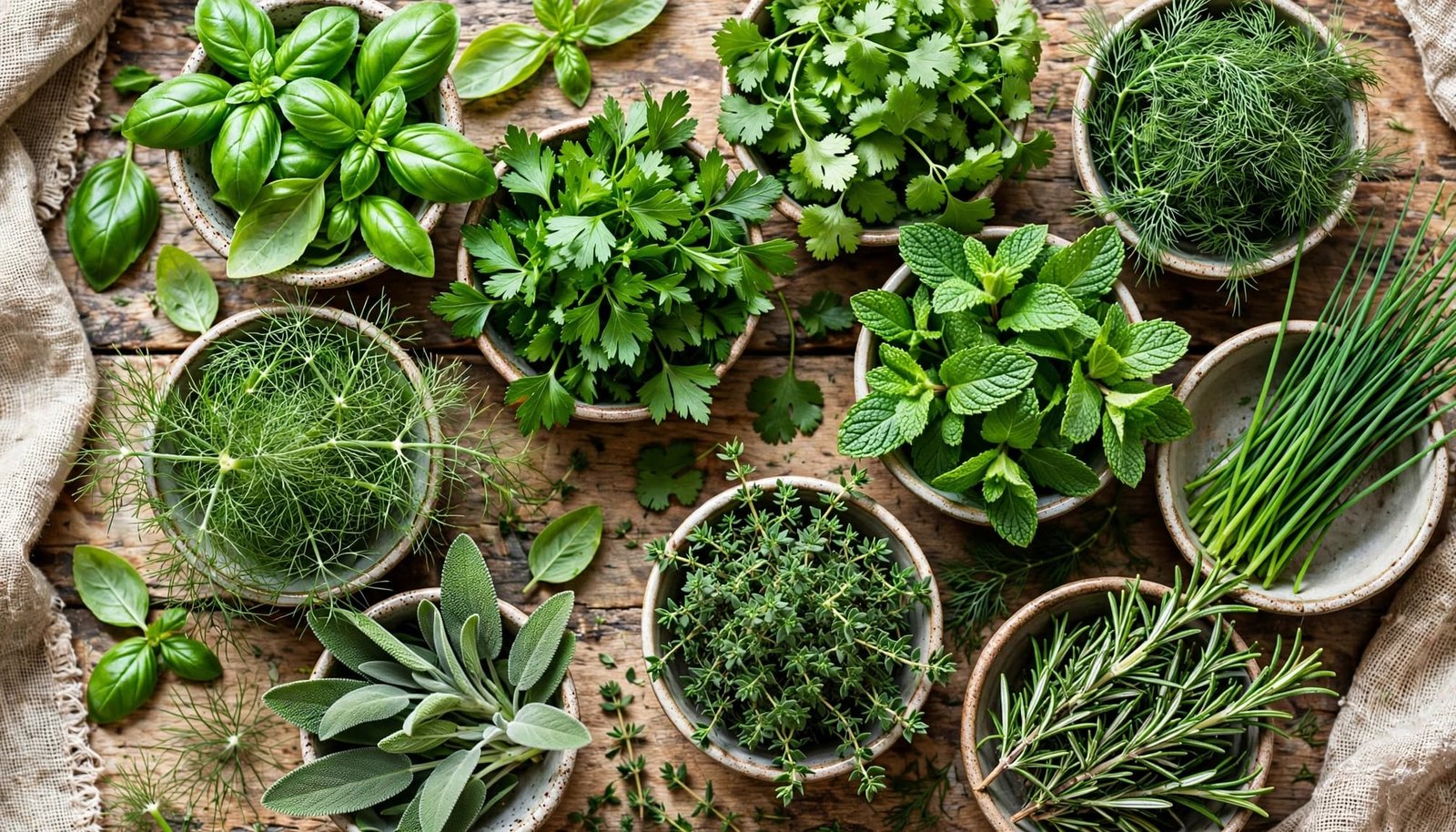
- Basil is sweet and peppery. Tear it into tomato salad or pesto, add near the end, then serve immediately.
- Parsley tastes clean and grassy. Chop leaves for tabbouleh or lemon sauce, stir in before serving, then taste for salt.
- Cilantro is bright and citrusy. Rinse and dry leaves and tender stems, fold into salsa or rice after cooking, then serve. Cilantro is the leaf, while coriander is the seed.
- Dill has a fresh anise note. Chop fronds for cucumber salad or fish, stir in at the finish, then add lemon.
- Chives taste mildly oniony. Snip over eggs, potatoes, soup, or dip after cooking, then let the residual heat soften them.
- Mint is cool and sweet. Bruise or chop leaves, add to tea, fruit, yogurt sauce, or lamb, then taste before adding more.
- Tarragon has anise-like warmth. Chop lightly for chicken or vinaigrette, stir in near the end, then finish with a little lemon.
- Chervil is delicate and lightly licorice-like. Fold fresh leaves into eggs or soup off heat, then serve without prolonged cooking.
- Lemon balm has a gentle lemon scent. Tear leaves into tea or fruit salad, let them sit briefly, then serve cold.
- Borage tastes faintly like cucumber. Use young leaves in salad, add a few flowers as garnish, then keep portions small.
- Sorrel is sharp and lemony. Chop it into soup, sauce, fish, or salad near the end, then balance it with cream or butter.
- Fennel fronds are feathery and sweetly herbal. Chop them for fish or potatoes, add after cooking, then reserve some for garnish.
Read also: 21 Healthy Herbalife Dinner Recipes and Meal Prep Lunch Ideas
Woody and sturdy herbs for roasting, simmering, and savory meals
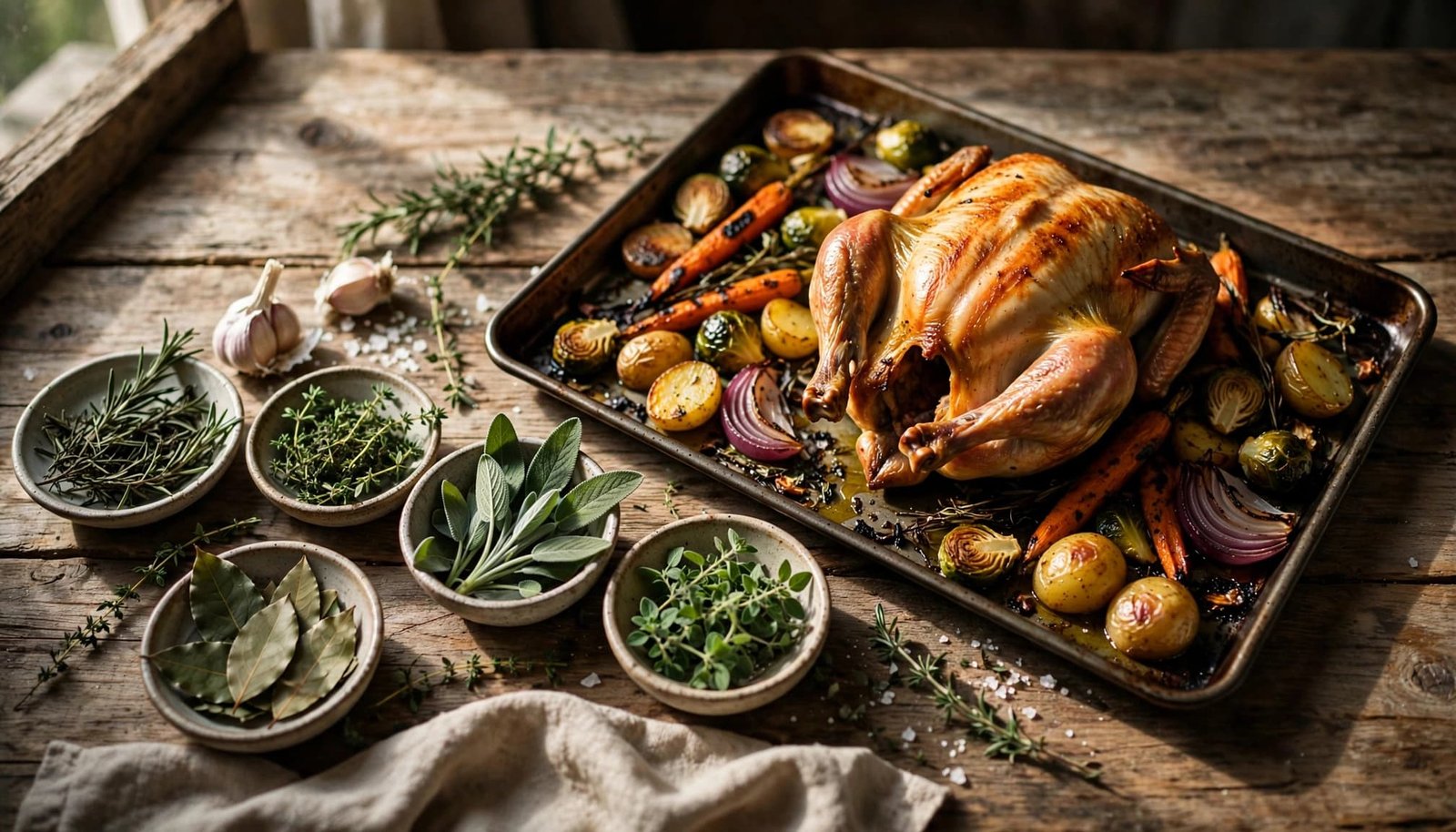
- Oregano is earthy and peppery. Rub dried leaves or chop fresh ones into tomato sauce, cook briefly, then taste before adding more.
- Thyme is woodsy and savory. Strip leaves into stock, beans, or roast vegetables, simmer as needed, then remove bare stems.
- Rosemary tastes piney and bold. Mince the needles for potatoes, chicken, lamb, or focaccia, add before cooking, then roast.
- Sage is earthy and rich. Fry whole leaves in butter or chop for stuffing, cook until fragrant, then scatter crisp leaves on top.
- Marjoram is softer than oregano. Add it to tomato dishes, beans, poultry, or sausage near the end, then taste gently.
- Bay leaf adds subtle warmth. Drop one leaf into stew, rice, soup, or beans, simmer with the dish, then remove it.
- Lovage tastes strongly of celery. Chop a small amount for stock or potatoes, stir it in, then adjust because it can dominate.
- Summer savory is peppery and herbal. Add it to beans, stuffing, or poultry early in cooking, let flavors mingle, then taste.
- Winter savory has a stronger, resinous bite. Use sparingly in meat or bean stews, simmer it well, then check seasoning.
- Lavender is floral and potent. Measure a culinary-grade pinch into sugar or syrup, steep or bake it, then strain large pieces.
- Caraway leaf has a mild anise flavor. Chop young leaves into soup, bread, or cheese dishes, add sparingly, then taste.
- Celery leaf is savory and grassy. Rinse and chop tender leaves into stock or soup, simmer briefly, then garnish with extras.
Distinctive herbs for global dishes, drinks, and specialty recipes
Several of these herbs belong to particular food traditions and may require a specialty market. Their concentrated flavors can make a familiar dish feel new.
Read also: Easy Tortellini Soup Recipe With Cream Cheese
- Stevia leaf is intensely sweet. Rinse and steep a small amount in tea, remove the leaf, then adjust sweetness. It isn’t a general savory herb.
- Anise hyssop tastes like mint and licorice. Steep leaves for tea or chop into fruit salad, add a little, then taste.
- Bee balm has a minty, citrusy edge. Wash petals or leaves, steep them for tea, then use a few fresh pieces as garnish.
- Culinary hyssop is herbal and slightly bitter. Chop a small amount into beans or soup, cook briefly, then balance it with milder herbs.
- Epazote is pungent and earthy. Rinse leaves, add a small amount to simmering beans or Mexican soups, then discard tough stems.
- Culantro has a strong cilantro-like flavor. Chop leaves into sofrito, soup, or stew, cook with the base, then season to taste.
- Vietnamese coriander is peppery and aromatic. Slice leaves into noodle soup or salad near the end, then serve while fresh.
- Thai basil is spicy and anise-like. Tear leaves into cooked curry or stir-fry, stir until wilted, then serve right away.
- Holy basil is peppery and clove-like. Tear leaves into a hot stir-fry near the finish, toss once, then plate quickly.
- Curry leaf is fragrant and nutty. Fry leaves briefly in hot oil with aromatics, add that oil to dal or coconut dishes, then serve.
- Makrut lime leaf adds bright citrus aroma. Tear or bruise a leaf for curry or soup, simmer it, then remove before eating.
- Shiso tastes minty, grassy, and aromatic. Rinse and slice it into sushi, noodles, pickles, or salad, then add fresh.
- Lemongrass is lemony and floral. Trim and crush the lower stalk, simmer it in soup or curry, then remove fibrous pieces.
- Okinawan mint varies in strength but tastes minty. Chop leaves for drinks or salad, begin with a small amount, then adjust.
How to Choose Fresh, Dried, or Frozen Herbs
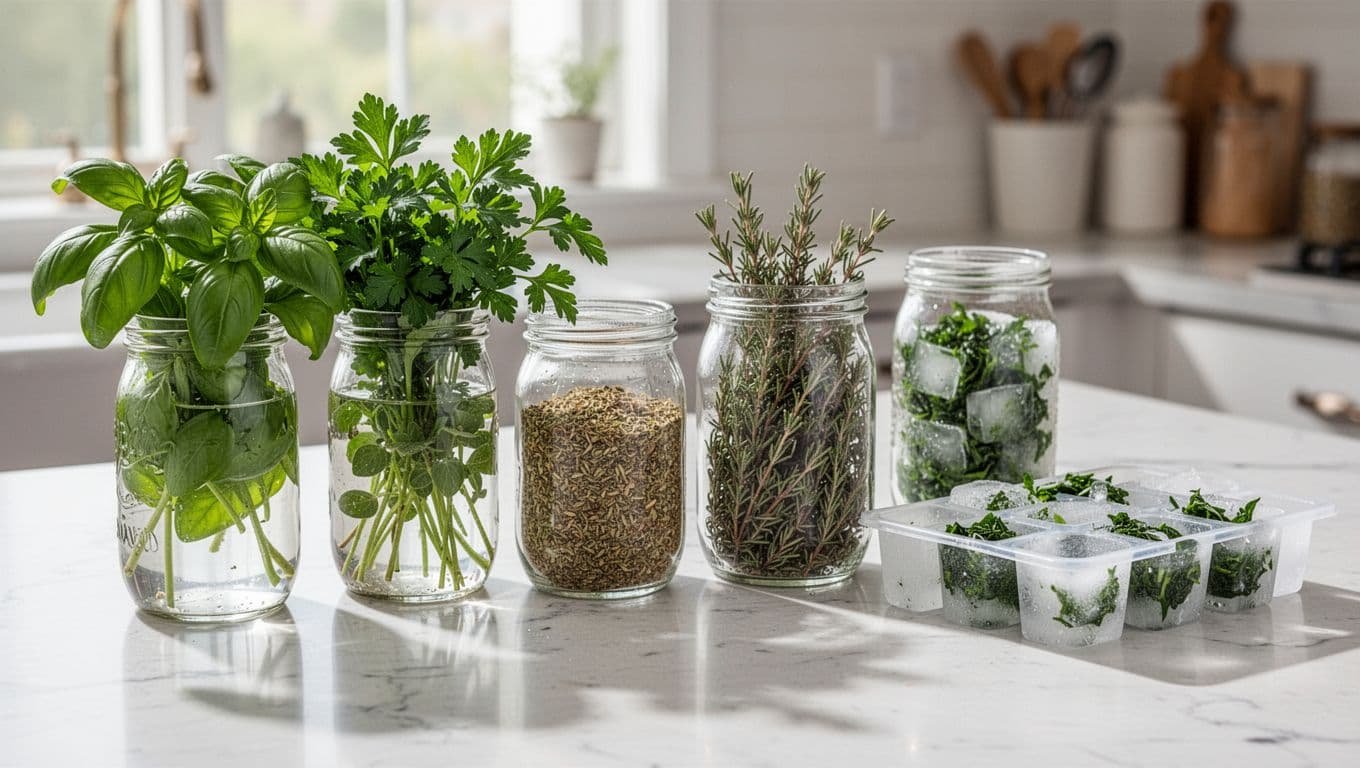
Fresh herbs work best in salads, cold sauces, garnishes, drinks, and dishes finished off the heat. Basil, parsley, cilantro, dill, mint, chives, tarragon, chervil, shiso, and fennel fronds usually taste brightest fresh.
Dried herbs suit soups, stews, tomato sauces, beans, roasts, and other long-cooked foods. Oregano, thyme, rosemary, sage, marjoram, savory, and bay leaf hold up especially well after drying. Whole dried leaves retain aroma longer than crushed herbs, as noted in this guide to dried herb storage.
Start with 1 tablespoon fresh herbs for every 1 teaspoon dried, a practical 3-to-1 ratio. Still, treat it as a starting point. Dried herbs can taste stronger, while delicate herbs lose much of their fresh texture and scent.
Rub dried herbs between your fingers before adding them. When fresh herbs pile up, chop and freeze them in water for soups or oil for cooked dishes. Never keep herb-and-oil mixtures at room temperature.
Store Herbs So They Stay Fresh and Flavorful
Wash herbs gently only when needed. Dry them fully and trim off damaged leaves before storage.
For parsley, cilantro, dill, mint, and chives, trim the stems and stand them in about 1 inch of water. Cover the leaves loosely with a bag and refrigerate. Change the water regularly. This storage method can keep tender herbs perky for at least a week, according to University of Maine Extension guidance.
Basil is the exception. Keep it at room temperature in water because refrigerator cold can damage its texture and flavor. For rosemary, thyme, and sage, wrap sprigs in a slightly damp paper towel, place them in a bag or container, and refrigerate.
Discard herbs that are limp, dark, slimy, or sour-smelling. Store dried herbs in airtight jars in a cool, dark, dry cabinet away from the stove. Freeze chopped herbs in water for soup and sauces, or in oil for dishes that will be cooked.
Simple Herb Pairing Rules for Everyday Cooking
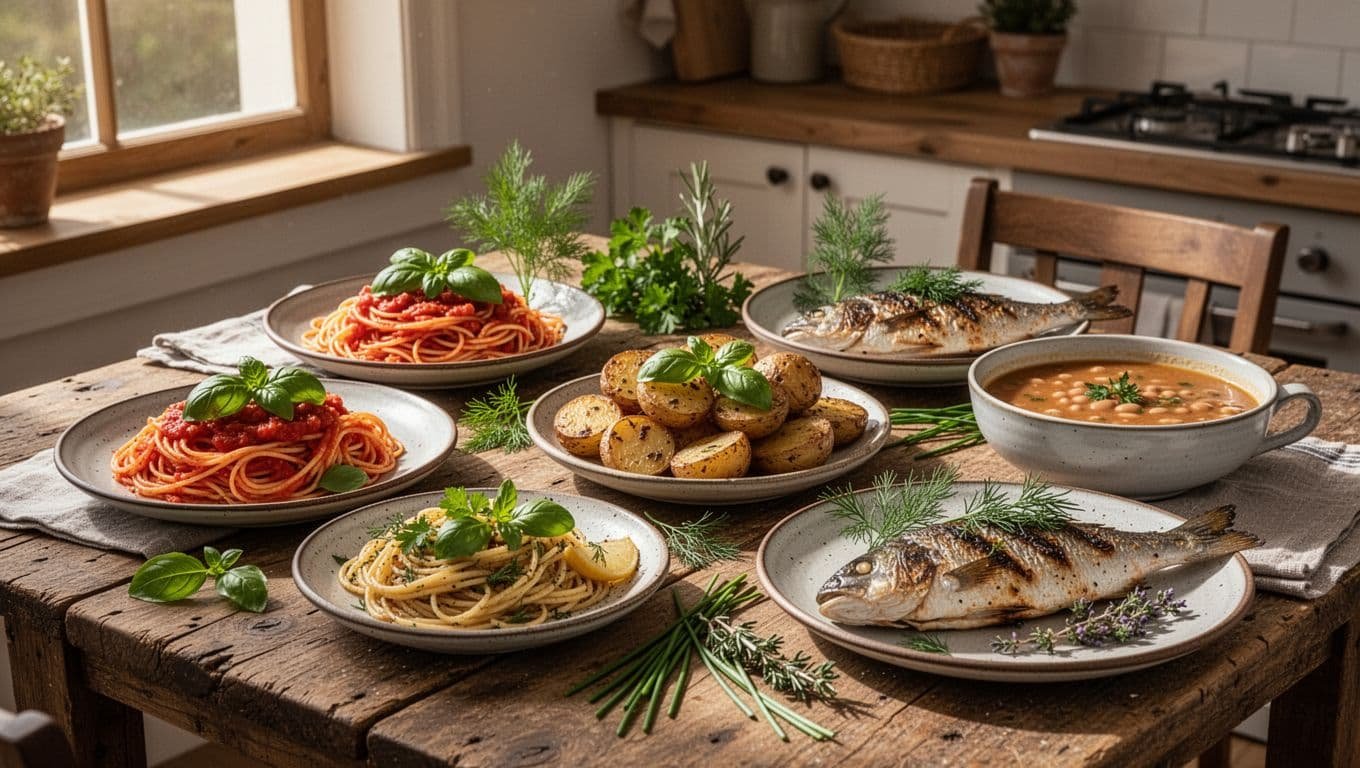
Tomato dishes welcome basil, oregano, marjoram, parsley, and thyme. Poultry works well with sage, rosemary, thyme, tarragon, and parsley.
For fish, reach for dill, fennel fronds, parsley, cilantro, lemongrass, or makrut lime leaf. Beans and hearty soups pair naturally with bay leaf, thyme, oregano, savory, lovage, and epazote. Potatoes love rosemary, dill, parsley, chives, and sage.
Choose one main herb, then add one supporting herb. Taste before adding a fresh finishing herb. Woody stems can flavor simmering food but should come out before serving, while tender leaves usually belong near the end.
Strong herbs such as lavender, hyssop, curry leaf, and epazote need a light hand. They should support the main ingredient, not cover it up.
Frequently Asked Questions
Can I substitute dried herbs for fresh herbs?
Usually, yes. Use about 1 teaspoon dried herbs for every 1 tablespoon fresh, then taste as the dish cooks. Fresh basil, cilantro, dill, and chives are harder to replace because their texture matters too.
Which herbs grow well on a kitchen windowsill?
Basil, chives, parsley, mint, thyme, and rosemary can grow indoors with strong light. Mint spreads aggressively, so keep it in its own pot.
Should I use herb stems?
Tender parsley and cilantro stems add flavor and chop easily. Rosemary, thyme, and bay stems are woody, so use them for simmering and remove them later.
Why do fresh herbs turn black in the refrigerator?
Excess moisture, cold injury, and age can all darken leaves. Dry herbs well, avoid crushing them, and keep basil out of the refrigerator.
Can I combine many herbs in one dish?
You can, but restraint helps. Start with one dominant flavor, such as rosemary or basil, then add a smaller amount of a compatible herb.
A More Flavorful Everyday Kitchen
Start with dependable herbs: basil, parsley, cilantro, oregano, thyme, rosemary, dill, and chives. Once those feel familiar, bring home a specialty herb when a recipe calls for it.
Fresh herbs bring brightness at the finish, while dried herbs reward patient cooking. Store them well, add strong varieties gradually, and let the food remain the focus.
A few well-chosen herbs can make everyday meals taste more fresh, varied, and personal.
Save the pin for later

I’m the creator of My Everyday Dish, a food blog focused on easy homemade recipes, comforting family meals, simple baking, and seasonal food ideas. I love finding practical ways to make everyday cooking less stressful and more enjoyable. Here, I share recipes with simple ingredients, clear instructions, and plenty of flavor, helping you make delicious meals and treats you’ll feel confident serving at home.
Leave a Reply