

I make this soup when someone I love has a cold, an upset stomach, or the kind of low-appetite day when a full meal feels impossible. A warm bowl with tender chicken and tiny pasta is often easier to manage than a plate of food, and the familiar aroma can feel like care in a practical form.
Italian penicillin soup for a sick person is a comforting nickname, not a medical treatment or a cure for illness. It is simply a mild Italian-inspired chicken soup that offers warmth, fluids, and soft bites. You can keep it plain for nausea or build in more flavor as the person starts feeling better.
Start with a small bowl, then adjust the soup around appetite, allergies, dietary needs, and stomach sensitivity.
Key Takeaways
- Warm broth, finely chopped vegetables, shredded chicken, and tiny pasta make this soup easy to eat.
- Keep the seasoning mild at first, especially for nausea or a sore throat.
- Use cooked chicken for a quick meal, or simmer raw chicken in the broth before shredding it.
- Add broth while reheating because pasta absorbs liquid as it sits.
- Soup can offer comfort and nourishment, but concerning symptoms need medical attention.
Easy Italian Penicillin Soup for a Sick Person
This light chicken soup begins with a simple base of onion, carrot, and celery. Add broth, tiny pasta, cooked chicken, and parsley, then finish with Parmesan or lemon only if they sound appealing. The result is warm, savory, and gentle enough for a day when eating takes effort.
Broth adds fluid and salt, while chicken brings protein. Small pasta supplies mild carbohydrates, and vegetables add flavor without requiring a heavy sauce or rich texture. Still, no single soup suits everyone. Choose ingredients based on the person’s appetite, allergies, dietary plan, and symptoms.
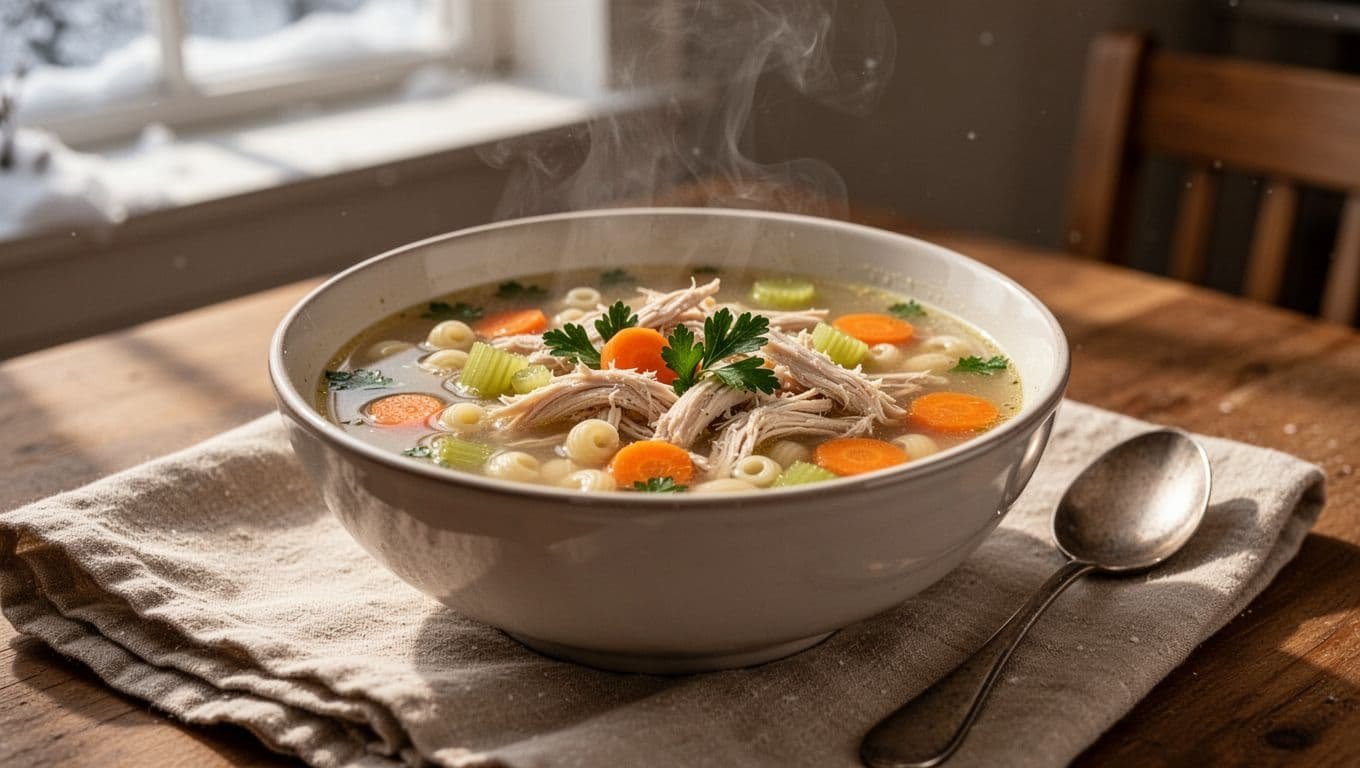
Why Warm Broth and Soft Ingredients Feel So Comforting
A warm broth can be soothing to sip, especially when swallowing feels uncomfortable. Tender carrot, celery, shredded chicken, and small pasta need little chewing, so each spoonful feels manageable.
Steam may also feel pleasant with a stuffy nose. However, soup does not replace medical care. For nausea, make a blander batch with less garlic, pepper, lemon, and cheese. If stronger flavors sound good, parsley, lemon, and a little grated Parmesan can wake up the bowl.
Read also: Easy Italian Penicillin Soup Recipe for Cozy Nights
What Makes This Italian-Style Soup Different
The Italian touch comes from a soffritto-style mix of onion, carrot, and celery cooked gently in olive oil or butter. Garlic, parsley, Parmesan, and pastina add familiar Italian flavor without making the recipe complicated.
“Penicillin soup” is a comforting nickname, not a fixed Italian recipe or a medical term. Some cooks use acini di pepe, orzo, ditalini, or rice. That flexibility makes it a useful sick-day recipe for home cooks.
Gather Simple Ingredients and Make Easy Substitutions
For four modest servings, gather 1 tablespoon olive oil or butter, 1 small onion, 2 carrots, 2 celery ribs, 1 small garlic clove, 6 cups chicken broth, 2 cups cooked shredded chicken, and 3/4 cup pastina or another tiny pasta. Finish with 2 tablespoons chopped parsley, if desired.
Optional Parmesan adds savory flavor, while a small squeeze of lemon brightens a finished bowl. Neither belongs in a mild version if the person has nausea, heartburn, or a sensitive stomach.
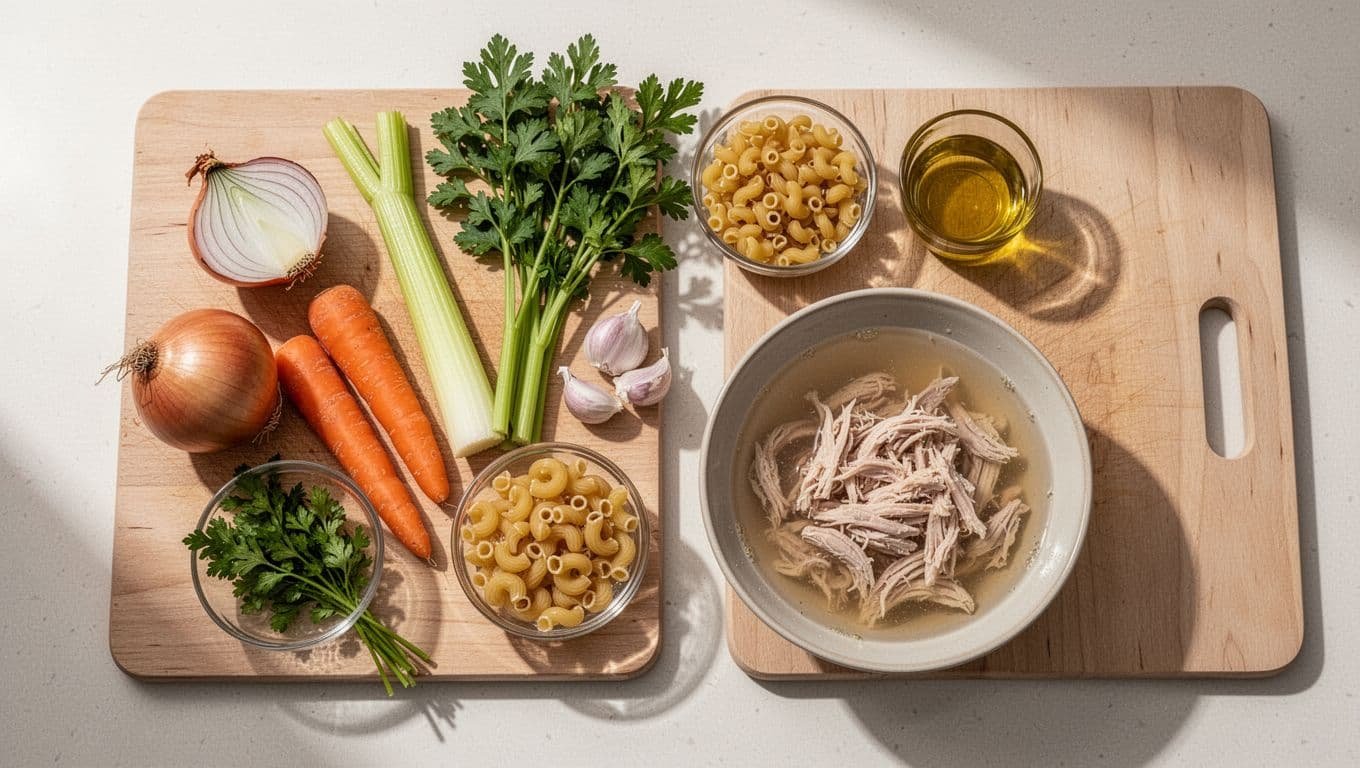
Low-sodium broth gives you more control over salt. Rotisserie chicken or leftover turkey makes the recipe faster, while vegetable broth and white beans create a meat-free variation. Rice, gluten-free small pasta, or quinoa can replace regular pastina.
Check broth, pasta, and Parmesan labels if allergies or dietary restrictions matter. For a very mild soup, skip the garlic and black pepper, use plain broth, and leave the cheese and lemon at the table. You can always add more flavor later, but it is hard to pull it back once the pot is seasoned.
How to Make Italian Penicillin Soup Step by Step
Finely chop the onion, carrots, and celery. Small pieces cook faster and give the soup a soft texture that is easier to eat. If chewing is difficult, mince the vegetables even more finely.
Warm the olive oil or butter in a medium soup pot over medium-low heat. Add the onion, carrot, and celery with a small pinch of salt. Cook for 8 to 10 minutes, stirring often, until the vegetables are very tender and the onion looks translucent. Keep the heat gentle, since heavily browned vegetables can taste too strong for a delicate soup.
Add the garlic and stir for about 30 seconds, only until fragrant. Pour in 6 cups of broth, scrape up any vegetables on the bottom, and bring the liquid to a gentle simmer. Avoid a hard boil, which can break up the vegetables and make the broth cloudy.
Add the pastina and cook according to the package time, usually 5 to 8 minutes. Stir several times because small pasta can settle and stick. When the pasta is nearly tender, stir in the cooked shredded chicken. Let it warm through for 2 to 3 minutes.
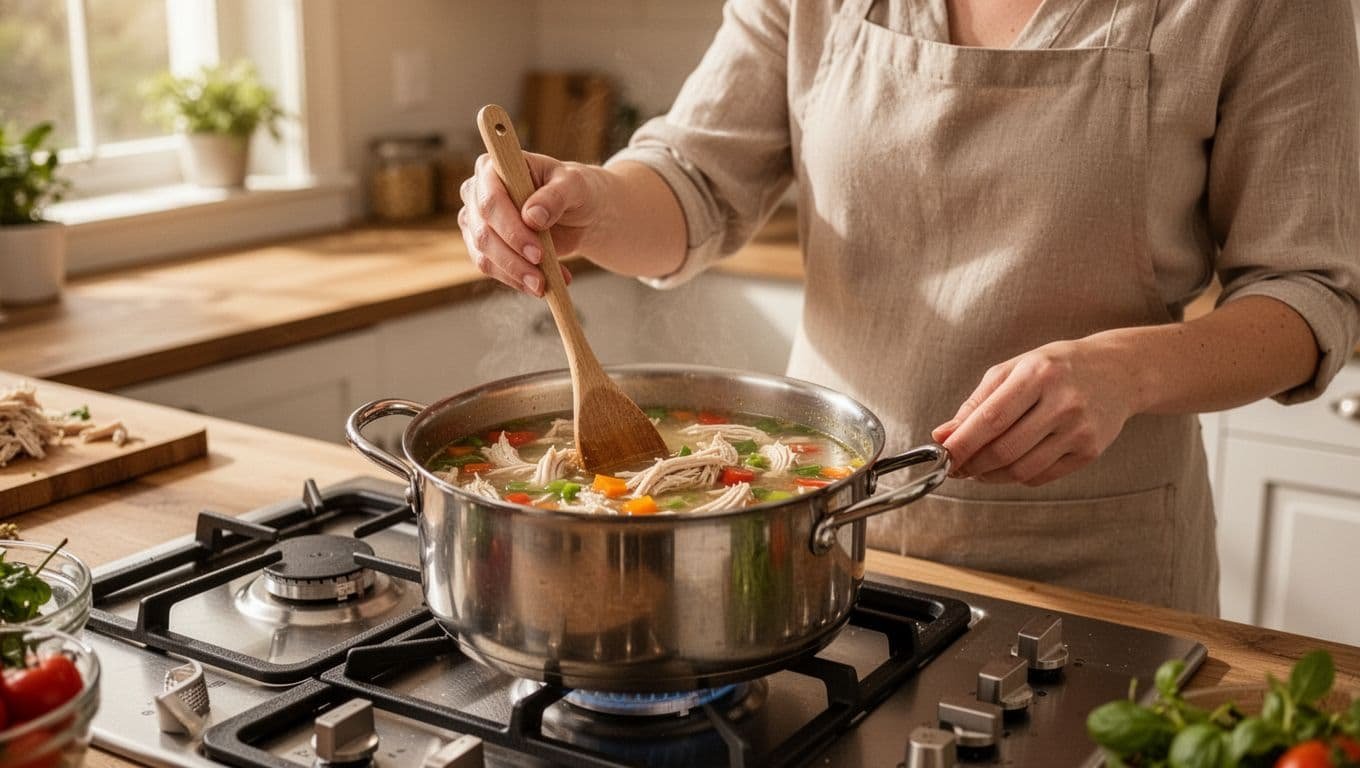
Taste before adding more salt. Broth and Parmesan can already contain plenty. Stir in parsley just before serving. Then add Parmesan or lemon only to individual bowls if those flavors are tolerated.
How to Adjust the Texture, Flavor, and Portion
Add extra warm broth if the soup becomes too thick. Tiny pasta keeps absorbing liquid, so a pot that looks brothy at first may thicken quickly. For a heartier bowl, add a little more pasta, but keep extra broth nearby.
Shred chicken into short, fine strands for the easiest texture. A person with little appetite may do better with half a cup of soup first. Mild parsley is a good early seasoning choice, while garlic, pepper, lemon, and Parmesan can return as recovery and appetite improve.
Using Raw Chicken Safely
If you do not have cooked chicken, use 1 pound boneless, skinless chicken breasts or thighs. Add the raw chicken to the simmering broth after the vegetables have softened, then cook gently until the thickest part reaches 165 F.
Transfer the chicken to a clean plate, shred it with two forks, and return it to the pot. Add the pasta after removing the chicken so it does not overcook while the meat finishes. This method takes about 15 to 20 minutes, depending on the cut and thickness of the chicken.
Serve, Store, and Reheat the Soup Safely
Serve the soup warm, not scalding. A piece of plain toast, saltines, or crackers can be welcome if the person can tolerate them. Keep portions small and offer more later instead of urging someone to finish a large bowl.
Refrigerate leftovers promptly in shallow, airtight containers. The USDA’s safe food handling guidance advises keeping cold foods at 40 F or below. Use refrigerated soup within three to four days, and discard it if it has an off smell, mold, or an uncertain storage history.
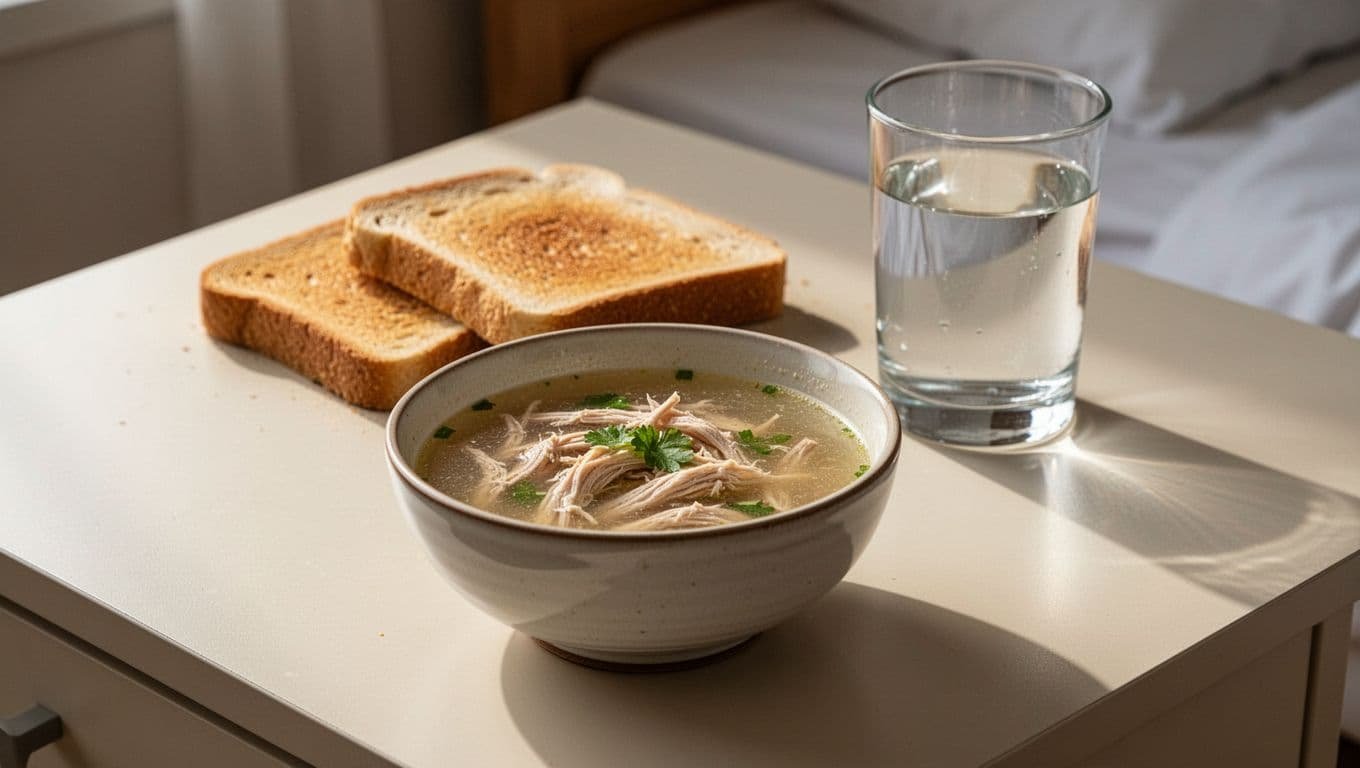
Reheat soup in a pot over medium heat, stirring until it is steaming throughout. Add a splash of broth because the pasta will have thickened the leftovers. The University of Nebraska’s leftover safety advice recommends reheating soups until hot and steamy, or bringing them to a rolling boil.
For freezing, store broth and chicken separately from pasta when possible. Pasta can become overly soft after freezing and thawing.
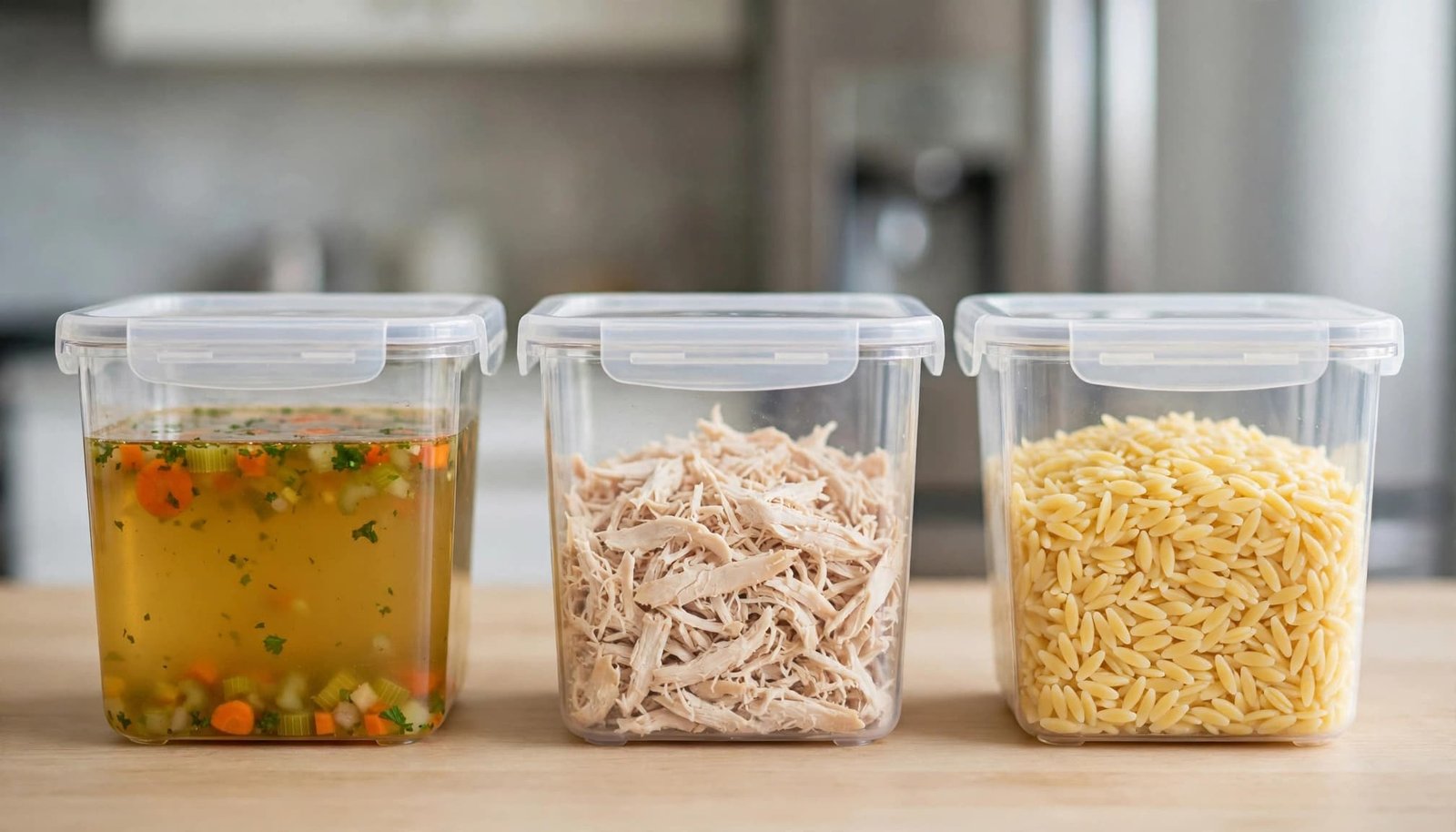
Soup is a comfort food, not a substitute for care when symptoms are severe or worsening.
Seek medical advice for trouble breathing, signs of dehydration, persistent vomiting, severe pain, confusion, or other concerning symptoms. The Putnam County Health Department’s reheating guidance also advises heating leftovers to 165 F when checked with a food thermometer.
Frequently Asked Questions
Can I make Italian penicillin soup without chicken?
Yes. Use vegetable broth and replace chicken with white beans, chickpeas, or soft cooked lentils. For a lighter version, skip the protein replacement and add extra vegetables or rice.
Which pasta works best in this soup?
Pastina is traditional for the soft, tiny texture, but acini di pepe, orzo, stelline, and small ditalini also work well. Choose a shape that is easy for the person to chew and swallow.
Is this soup good for a sore throat?
Warm, mild broth and soft ingredients can feel comfortable when swallowing is unpleasant. Let the soup cool enough to avoid burning the mouth or throat, and skip acidic lemon if it stings.
Can I make this soup ahead of time?
You can prepare the broth, vegetables, and chicken one day ahead. Cook the pasta separately or add it when reheating so it stays tender rather than swollen and soft.
Should I add lemon to sick-day soup?
Lemon tastes fresh to some people, but it can bother others with nausea, reflux, or a sore throat. Serve it on the side so each person can decide.
A Warm Bowl When Food Feels Hard
Italian penicillin soup for a sick person works because it is warm, hydrating, soft, and easy to adapt. A mild broth with tender vegetables, chicken, and small pasta can meet someone where their appetite is that day.
I start with a small serving and keep additions simple. A homemade bowl of soup can offer comfort and care, but it should always sit alongside professional medical treatment when someone needs it.
Save the pin for later


I’m the creator of My Everyday Dish, a food blog focused on easy homemade recipes, comforting family meals, simple baking, and seasonal food ideas. I love finding practical ways to make everyday cooking less stressful and more enjoyable. Here, I share recipes with simple ingredients, clear instructions, and plenty of flavor, helping you make delicious meals and treats you’ll feel confident serving at home.
Leave a Reply